Welcome to the lane of letdowns, where cars that promise the stars end up delivering dust. We’re rolling out the red carpet not for the best but for the ones who missed the mark by a mile. From shiny sedans to burly trucks, we spotlight the vehicles you’re better off avoiding.
Hold onto your hats because we’re about to show you some cars that might look good on paper but are actually nightmares on wheels. And for those cars you’ve already side-eyed, we’ll break down the reasons they’ve earned their infamous spots. Whether it’s due to draining your wallet with constant repairs or skimping on safety, we’ve got the inside track on why these vehicles should stay parked in the dealership. Gear up for a no-holds-barred reveal of this year’s biggest automotive disappointments!
Toyota Land Cruiser LC 200
The Toyota Land Cruiser LC 200 has symbolized reliability and capability. However, it’s showing its age against modern automotive advancements. The newer LC 300 series, replacing the V8 engine with a more efficient twin-turbo V6, is a more future-proof choice.
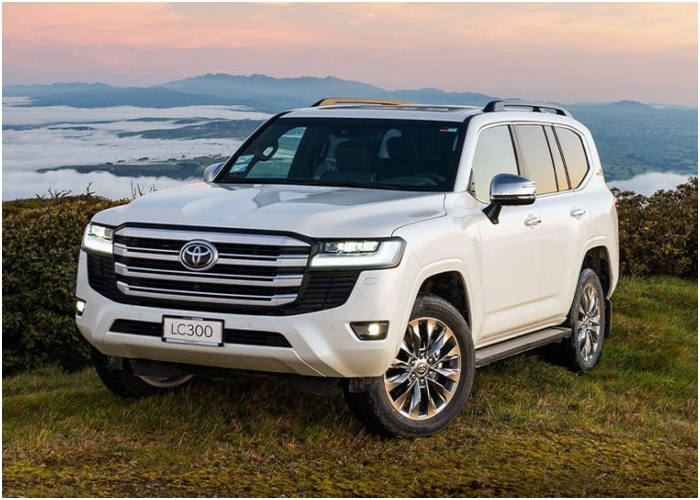
As per EPA ratings, the LC 200’s 17MPG fuel efficiency pales compared to the LC 300’s 23MPG. With a price tag exceeding $90,000, opting for the newer model ensures a relevant and efficient vehicle for longer.
Jeep Wrangler
The Jeep Wrangler is a perfect fit for off-road enthusiasts but falls short in urban settings. Its boxy design may appeal to some, but its practicality in daily city life is questionable.
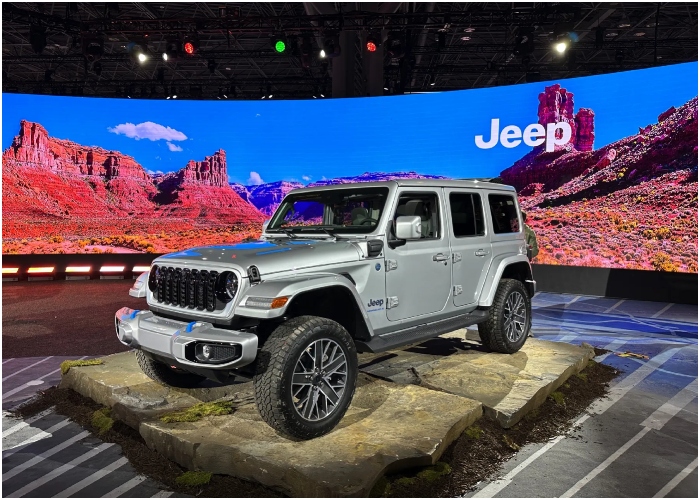
With a modest 17MPG EPA rating and common user complaints about its rough ride, noise levels, and uncomfortable seating, as seen on the Reddit Jeep Forum, the Wrangler is tailored for off-roading. This SUV might not be the best choice for those seeking a smooth city or highway driving experience.
Mercedes-Benz GLE
The Mercedes-Benz GLE stands out with unique features and unmatched comfort. However, this luxury comes with a significant cost. Starting at $60,000, the GLE also incurs about $15,000 in maintenance over 10 years, according to CarEdge, with a 43% chance of significant issues arising.
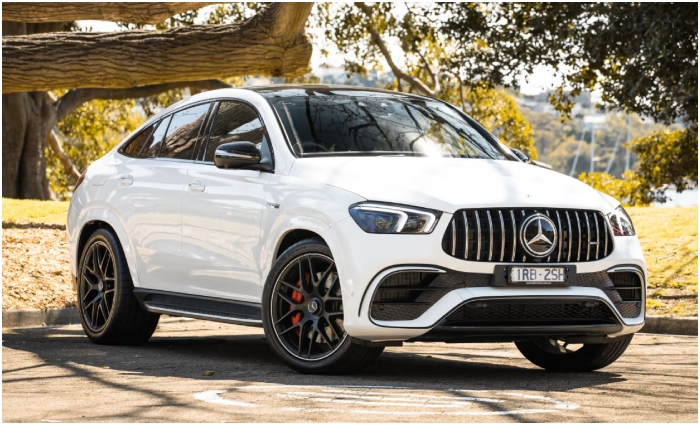
The financial burden of owning a German luxury vehicle like the GLE could overwhelm the average buyer, making it a risky investment despite its allure.
Jeep Gladiator
The Jeep Gladiator may be the most unique pickup truck, but its shortcomings are hard to ignore. With a low-reliability score of 21/100 from Consumer Reports and a mediocre 20MPG fuel efficiency, its practicality is questionable.
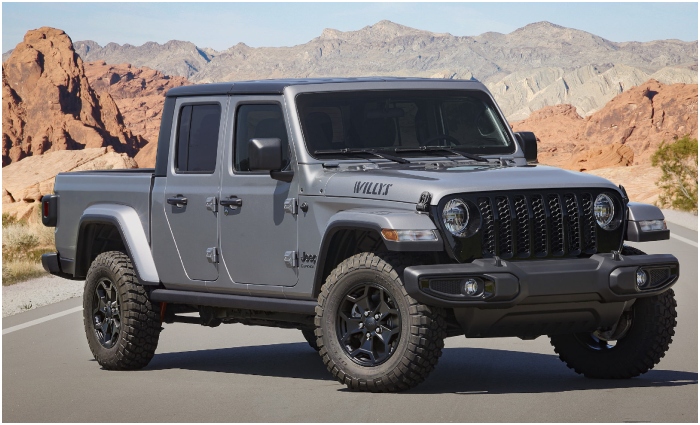
Maintenance costs exceed $12,000 annually, as per CarEdge, and a design more suited for rugged terrain than smooth roads makes it less ideal for everyday use or family road trips. The Gladiator is more of a specialized vehicle than a versatile option.
Silverado/Sierra
Despite being one of America’s best-selling vehicles, the Silverado/Sierra trucks have their fair share of issues. A reliability score of just 5/100 from Consumer Reports highlights significant concerns. With estimated maintenance costs of about $10,000 over a decade and an additional $1,000 yearly, according to CarEdge and RepairPal, ownership can be costly.
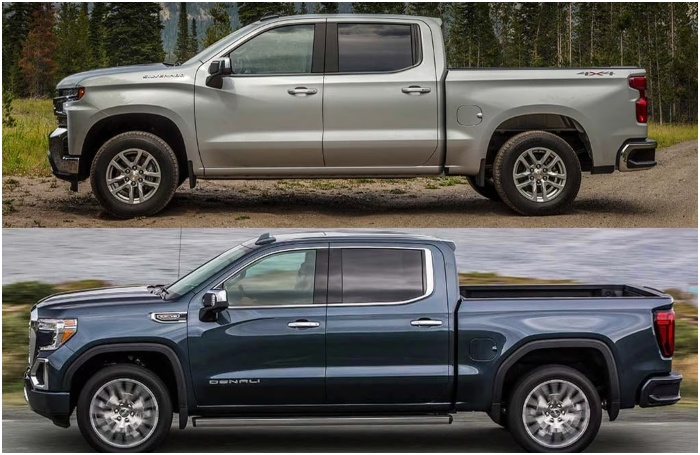
The 30% likelihood of major repairs also adds to the potential financial burden. While trusted by many, these trucks might not be the most economical choice in the long term.
Chevrolet Bolt
The Chevrolet Bolt falls short in the competitive electric vehicle (EV) market with a modest range of 259 miles per charge, limiting its use to city driving. While its aesthetic appeal is subjective, the Bolt has been removed from Consumer Reports’ recommendation list due to significant reliability issues.
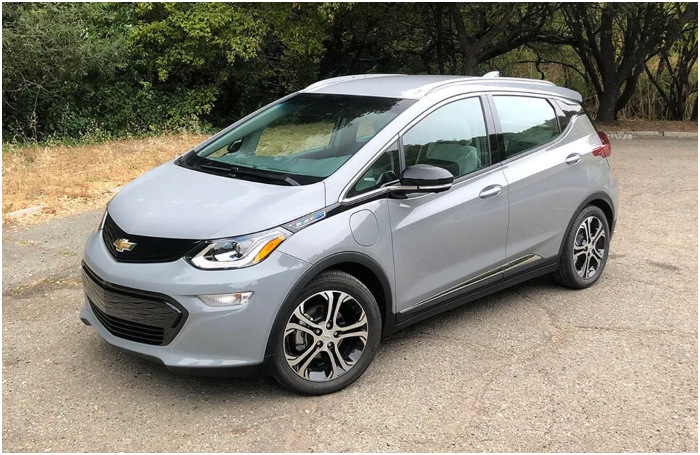
As Chevrolet is still establishing its presence in the EV segment, opting for a brand with a more proven track record may be wiser.
Ford Explorer
The Ford Explorer, with its maintenance cost comparable to more advanced German models at about $10,000 over a decade, doesn’t make a strong case for itself. CarEdge notes it has a 5% higher chance of needing major repairs within the first 10 years than its peers.
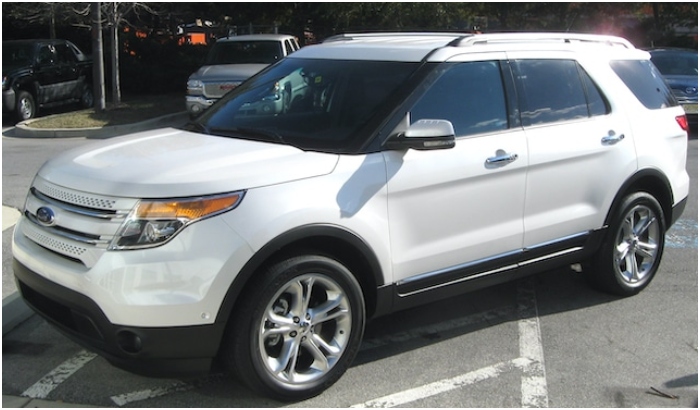
Coupled with an unimpressive 21MPG EPA rating, the total ownership cost over five years can exceed $43,000. For such an investment, one might consider a luxury vehicle instead.
Nissan Sentra
The newer models of the Nissan Sentra are commendable for their reliability and customer satisfaction. However, earlier versions equipped with continuously variable transmissions (CVTs) — a push by Carlos Ghosn — are problematic.
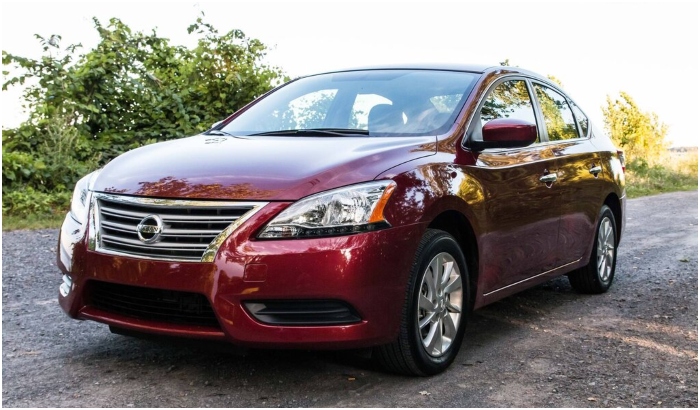
These CVTs are prone to failure, often resulting in costly repairs. Potential buyers should exercise caution and avoid Sentra models from this particular era.
Lincoln Aviator
The Lincoln Aviator has contributed to Lincoln’s ranking as one of the most unreliable automakers by Consumer Reports for two consecutive years.
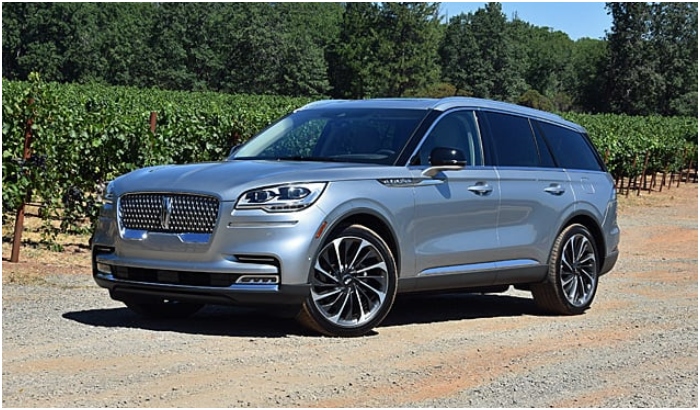
With issues ranging from airbag malfunctions to general electronic failures, the Aviator’s luxury status is overshadowed by its potential for expensive maintenance and frequent repairs, estimated at around $12,000 over a decade by CarEdge. This does not even account for unexpected major repairs, which seem to be a common occurrence.
Hyundai Kona Electric
While the Hyundai Kona Electric boasts a 300-mile range, it lags in performance with just 200 horsepower in a market where 400hp is becoming standard for EVs.
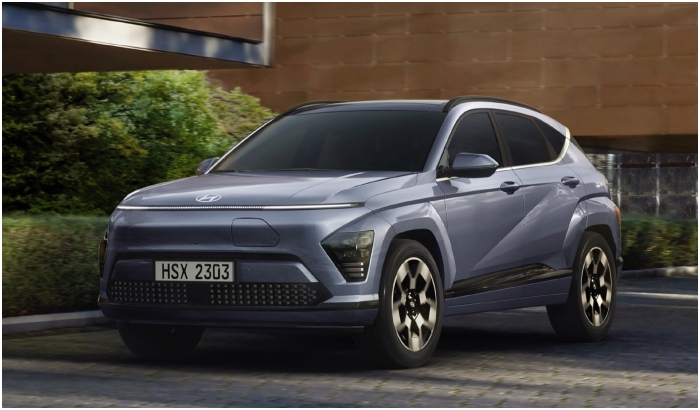
Given Consumer Reports’ dismal 5 out of 100 reliability score, the Kona Electric might appeal more to those who enjoy frequent visits to the mechanic than to those seeking a robust and reliable EV.
Ford F-150 Hybrid
The Ford F-150 Hybrid, despite lacking extensive historical data, has already raised concerns with its predicted reliability rating of 1 out of 5 by Consumer Reports. Issues noted by reviewers like MotorBuiscuit include a range of electrical problems, from malfunctioning infotainment systems to faulty airbags.
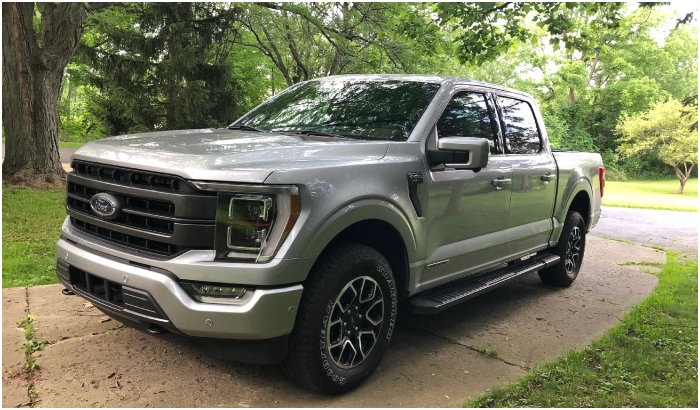
Considering that these trucks are often relied upon as work vehicles, such reliability issues are particularly troubling and unacceptable.
Mercedes-Benz G-Class
The Mercedes-Benz G-Class, or G-Wagon, is a luxury vehicle with a steep price tag of at least $139,900. In times of economic uncertainty, this could be a daunting investment. Its design, reminiscent of a refrigerator, contributes to poor aerodynamics and hefty fuel consumption, which is particularly burdensome with rising gas prices.
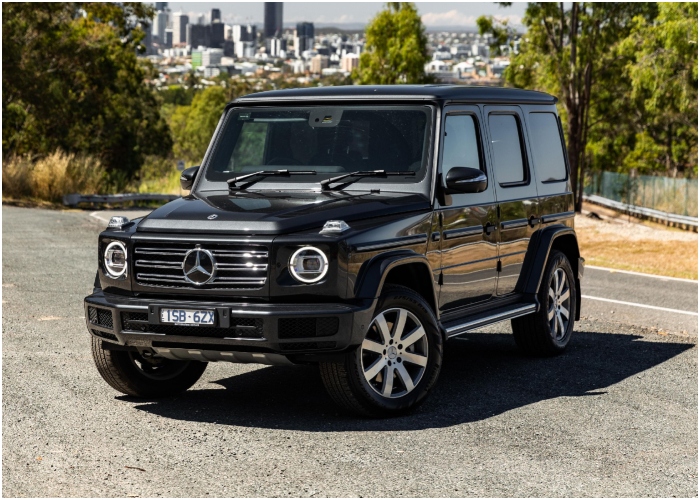
Additionally, owning a G-Wagon can be costly in the long run. CarEdge estimates a 10-year maintenance cost at around $16,000, with a 43% likelihood of significant repairs. This vehicle may be extravagant unless you have a substantial income to support its upkeep.
Cadillac ELR
The Cadillac ELR, with its futuristic but arguably unorthodox design, enters the market at a staggering $58,000 before taxes, positioning it as a luxury purchase. However, this luxury comes at a cost, not just upfront but in the long term.
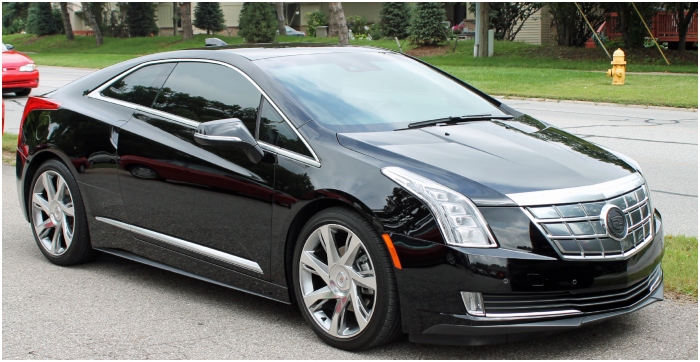
According to Edmunds, the ELR is notorious for its depreciation, dropping by an alarming 50% in just three years. This steep depreciation rate is a critical factor, as it significantly diminishes the car’s value in a relatively short period, making it a questionable investment for those who value long-term asset retention.
Mini Cooper
The Mini Cooper captures hearts with its iconic, adorable design, a beacon of British automotive charm. However, its reliability is another story. Scoring a disappointing 30/100 from Consumer Reports, it ranks well below the median reliability score for cars, with many Japanese models surpassing the 80 mark.
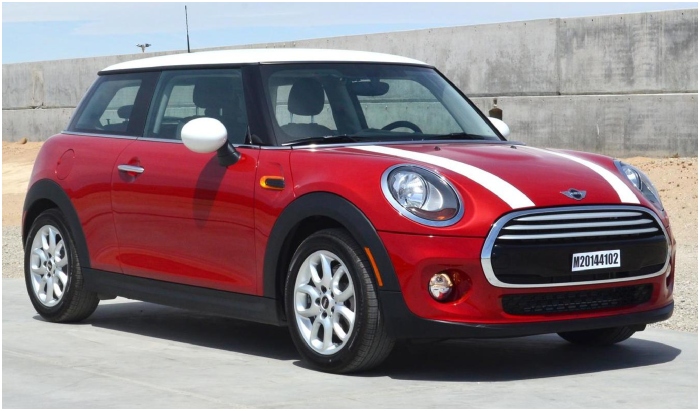
Owners also report discomfort due to the car’s cramped interiors, along with frequent issues like power steering malfunctions and engine overheating, as reported by Edmunds. Surprisingly, the Mini’s maintenance costs are on par with those of midsize luxury cars, making it a less economical choice than it appears at first glance.
Kia Rio
The Kia Rio is a budget-friendly option, catering to those seeking a basic, no-frills vehicle. However, its affordability is overshadowed by its fragility. Common and often costly issues with vital components such as the engine, transmission, and electronics are frequent, as sources like CoPilot and CarEdge indicate.
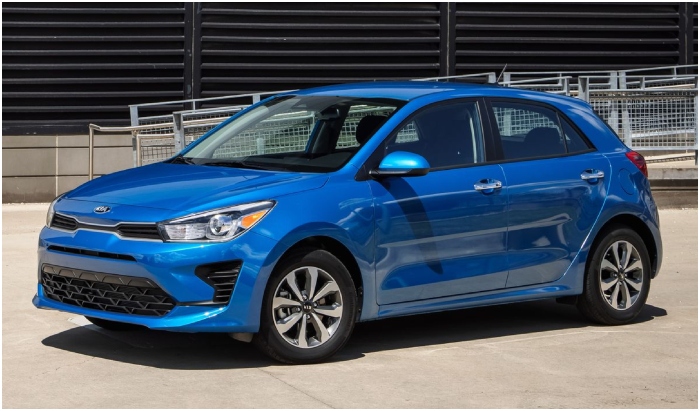
These recurrent problems render the Rio a less desirable option for long-term ownership despite its initial low cost, making it more suitable for short-term use or as a temporary solution.
Fiat 500
The Fiat 500, marketed as an affordable entry into the sports car realm, fails to deliver on this front. Its 1.4L engine lacks the zest and agility expected from a sports car, evidenced by its slow acceleration to 60mph in 8.1 seconds. Handling and stability also leave much to be desired, detracting from the driving experience.
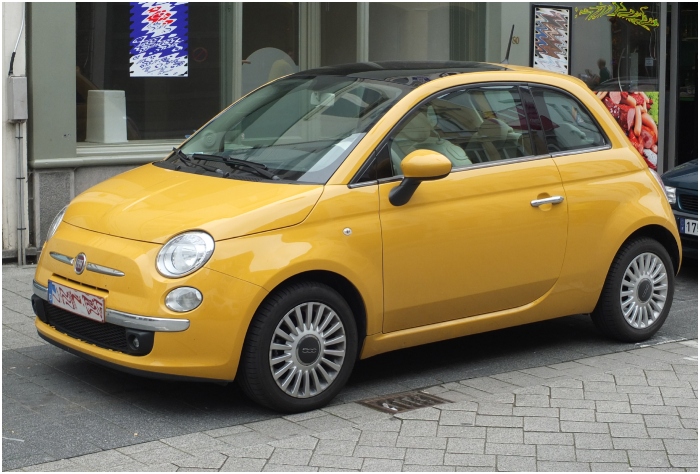
While it may serve well for regular city commutes, those seeking the thrill and performance of a sports car will find the Fiat 500 falling short of expectations.
Bentley Continental GT
Owning a Bentley Continental GT is akin to carrying a luxurious burden. Beyond its hefty purchase price, the car demands high maintenance costs, averaging $3,200 annually, according to HotCars. This figure excludes any unforeseen major repairs, which can be exorbitant given the vehicle’s high-end nature.
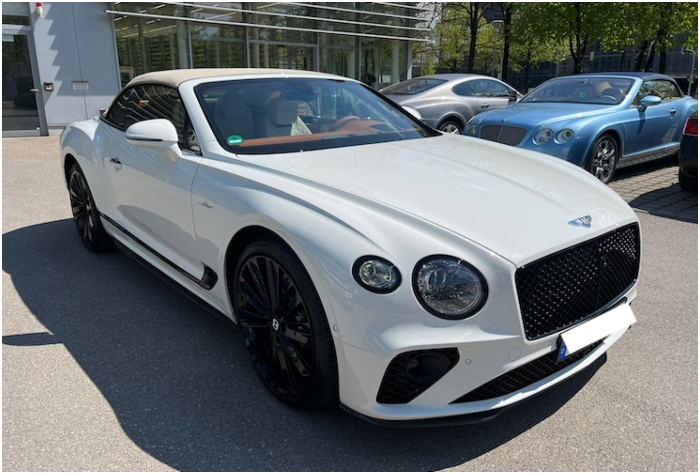
Furthermore, its poor fuel efficiency, managing only about 12 miles per gallon, adds to the ongoing financial commitment. As such, the Bentley Continental GT is an extravagant choice, suited only for those comfortable with continuous, substantial expenditure.
BMW X3
The BMW X3 might initially impress with its sleek design and crossover utility, but it’s plagued by many issues. Notable concerns include problematic sunroofs that either leak or rattle, engine oil leaks, and critical timing chain guide failures that can lead to catastrophic engine damage.
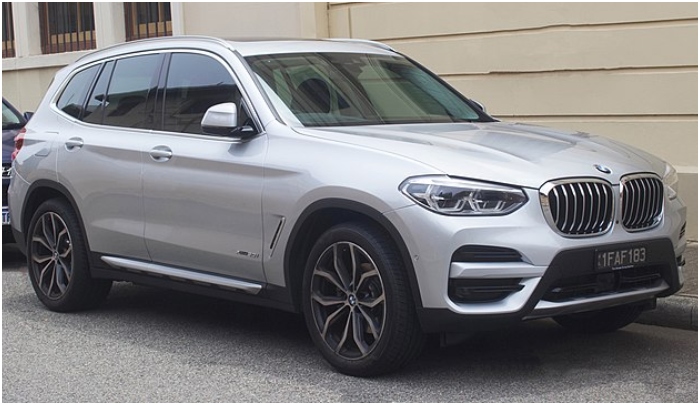
These are just a few items from a lengthy list of potential problems that BMW Tuning Co. and other sources identified. This extensive array of issues makes the X3 a less-than-ideal option for those seeking a dependable, trouble-free vehicle.
Mercedes-Benz S-Class
The Mercedes-Benz S-Class, renowned as one of the finest luxury sedans, isn’t without its financial drawbacks, mainly when purchased new. Its rapid depreciation rate is a significant concern, with an estimated 54% loss in value within the first five years, as noted by CarEdge.
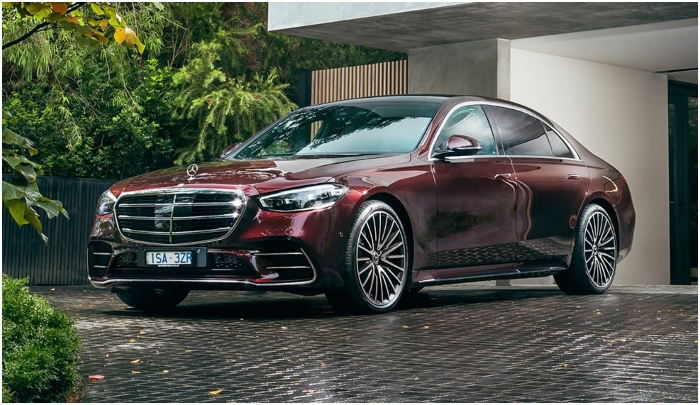
Opting for a used model is a wise choice for those seeking the luxury and robustness of an S-Class without the steep price drop. These vehicles are engineered for longevity, meaning a five-year-old model often retains much of its original splendor and functionality.
Nissan Leaf
While the Nissan Leaf might appeal to eco-conscious drivers, it’s marred by significant safety issues, including the alarming risk of the sunroof exploding and detaching while driving, as reported by Nissanproblems.
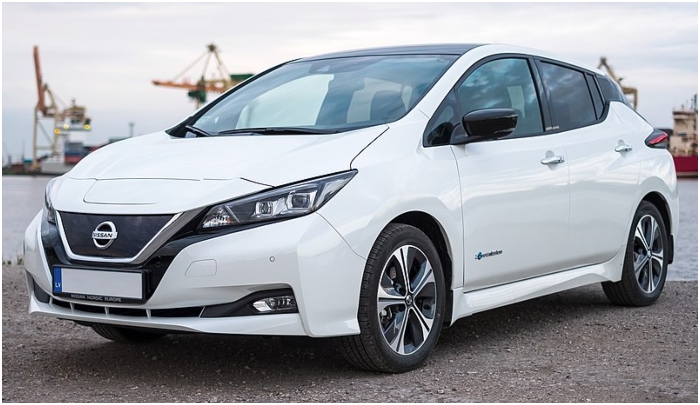
This severe safety hazard overshadows any aesthetic considerations. Additionally, the Leaf is plagued with other issues like malfunctioning automatic emergency braking and airbag problems, further diminishing its appeal as a reliable electric vehicle.
BMW 7 Series
The allure of a brand-new BMW 7 Series is undeniable, but the financial implications are considerable. With a starting price of around $100,000, the 7 Series is a substantial investment. However, opting for a slightly used model can result in significant savings, approximately $40,000, without compromising much on quality or luxury.
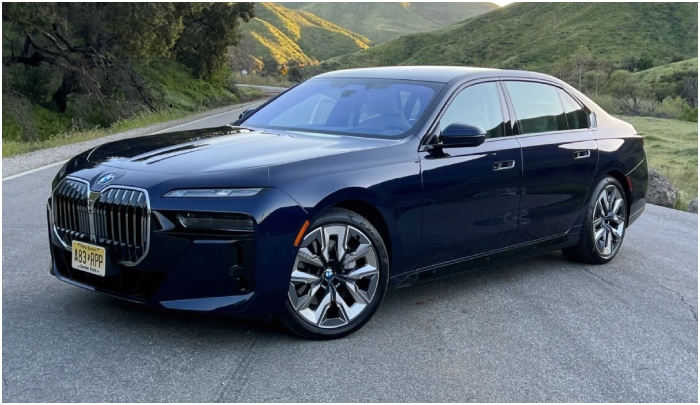
This approach allows for enjoying a premium vehicle while allocating funds elsewhere, such as purchasing a practical daily driver like a Toyota Camry.
Volvo S90
Unfortunately, the Volvo S90, a vehicle synonymous with safety and sophistication, has had critical issues concerning brake functionality. A recall due to the potential for brakes to fail randomly, as reported by Car-recalls, raises serious safety concerns.
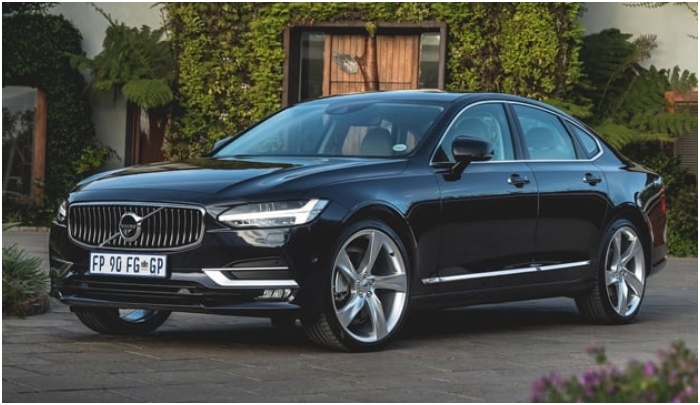
While the recall can rectify the issue, the inherent risk associated with a fundamental system like brakes failing can be a major deterrent for potential buyers, especially those prioritizing family safety.
BMW i3
The BMW i3’s unconventional design and proportions may be subject to subjective opinions, but its technical issues are objectively concerning. Notably, problems with the power steering unexpectedly becoming stiff, as highlighted by The Driver Advisor, pose a significant risk.
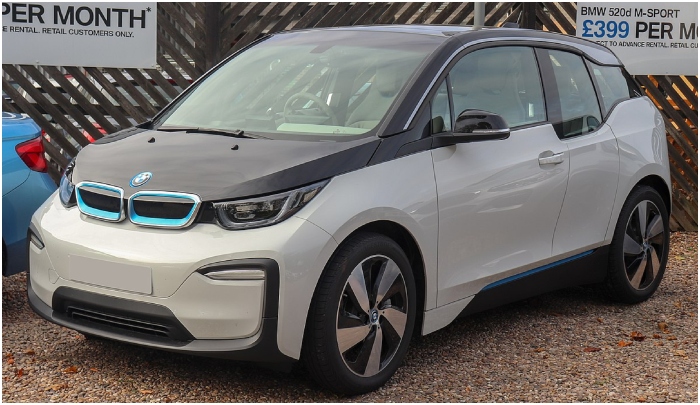
Additionally, faults in the motor’s printed circuit board can lead to sudden power loss, rendering the vehicle inoperable. These reliability issues overshadow the i3’s unique design and environmental appeal.
Range Rover
Unfortunately, the Range Rover, synonymous with luxury and status, falls short in reliability, scoring a low 2 out of 5 by RepairPal and ranking 15th out of 19 in its category. Repairs are prohibitively expensive, with a common failure like a transmission replacement costing up to $8,000.
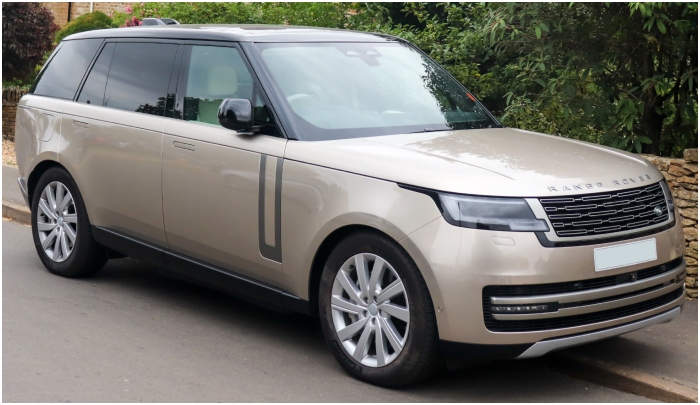
Despite its luxury appeal, this combination of low reliability and high maintenance costs makes ownership of a Range Rover a financially challenging and potentially frustrating experience.
Porsche Cayenne
While offering an exhilarating driving experience, the Porsche Cayenne quickly becomes a liability in terms of maintenance. Owners have reported issues like severe overheating before reaching 15,000 miles, frequent brake failures under 20,000 miles, and engine failures at around 40,000 miles, as compiled by HotCars.
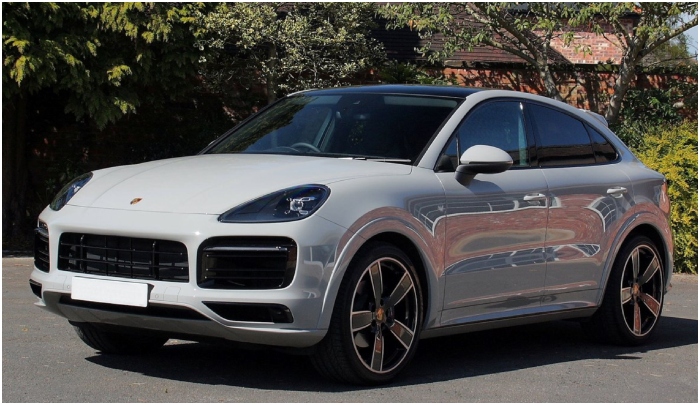
Repairing these issues on a Porsche can easily exceed $20,000, making the Cayenne a high-risk investment for those seeking a reliable, high-performance vehicle. For those who can’t afford to frequently replace their vehicle, looking elsewhere for thrills on the road may be prudent.
BMW X6M
The BMW X6M, straddling the line between multiple vehicle categories, brings its own set of challenges. Despite its luxury status, owners have encountered numerous issues, including malfunctioning tailgates, rattling doors, steering column problems, and loose ISOFIX anchors, as reported by MotorBiscuit.
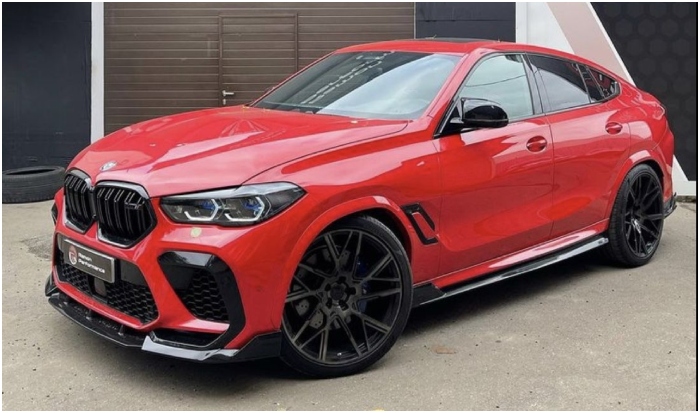
Forums have also highlighted sporadic losses of braking power. While minor issues might be overlooked in budget cars, they are inexcusable in a high-end vehicle like the X6M, where such problems detract significantly from the luxury experience.
RAM 1500
The RAM 1500, positioned as a luxury work truck, incurs unexpectedly high maintenance costs. Over 10 years, owners can expect to pay about $17,677 in maintenance, significantly higher than competitors like the Ford F-150.
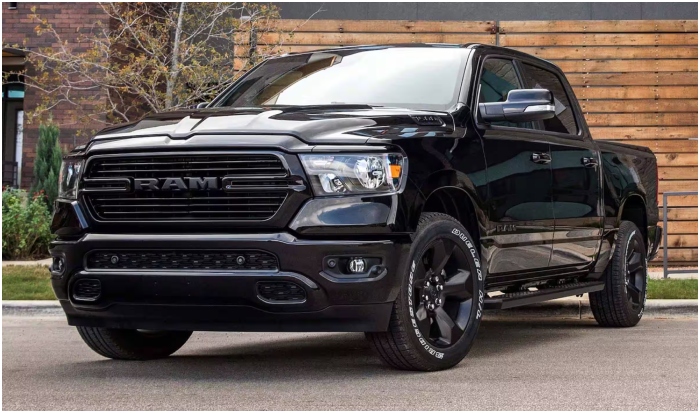
Routine maintenance aside, issues like water leaks from window seals and repeated engine coolant leaks, noted by MotorBiscuit, can lead to prohibitive repair costs. These additional expenses make the RAM 1500 less economically viable for those seeking a durable and affordable work truck.
Land Rover Discovery
Purchasing a new Land Rover Discovery might seem appealing, but opting for a used model comes with considerable risks. Known for being one of the most unreliable SUVs, the Discovery is plagued with issues ranging from unexpected clutch failures to unexplained engine oil burning and transmission problems, as reported by MotorBiscuit.
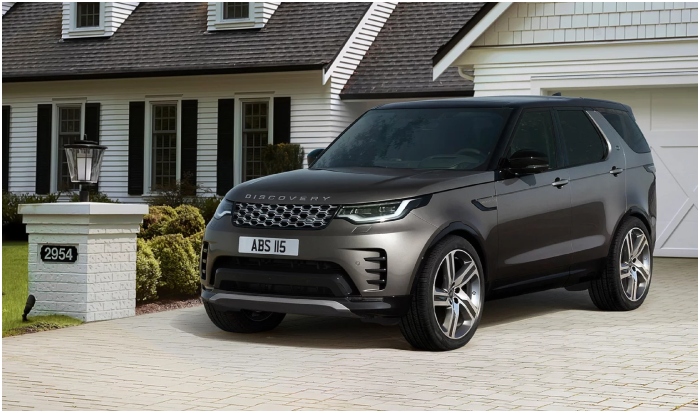
These persistent reliability issues result in high maintenance costs, making the Discovery a less desirable choice, especially for long-term ownership.
V8 Dodge Muscle Cars
Dodge’s V8 muscle cars offer undeniable power and performance, capable of rivaling more expensive European cars on the drag strip. However, this thrill comes at a cost, both financially and practically. These large engines are far from fuel-efficient, with city mileage hovering around 12MPG.
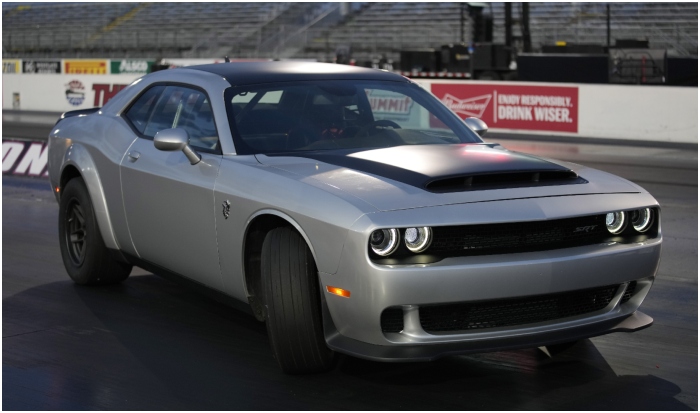
In the current economic climate, the operational costs of maintaining such a vehicle can quickly become burdensome, overshadowing the initial excitement of owning a high-performance muscle car.
Cadillac CT5-V
The Cadillac CT5-V may boast impressive looks and performance but falls short in reliability and owner satisfaction. With a reliability score of just 2/5 from Consumer Reports and the same score for owner satisfaction, it’s clear that the CT5-V doesn’t meet the expectations of many owners.
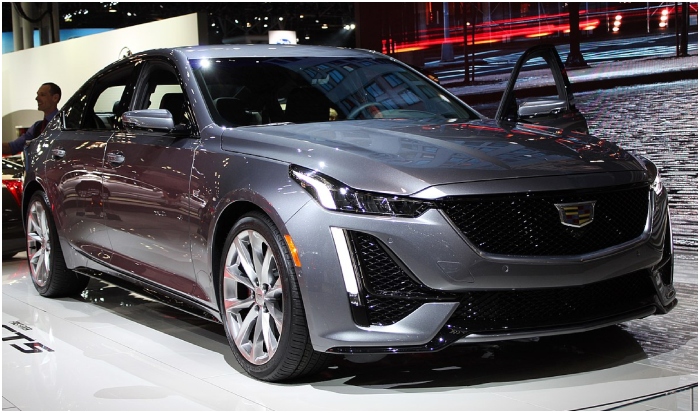
Additionally, CarEdge reports that the 10-year maintenance cost for the CT5-V is over $10,000, a significant amount for a midsize sedan. These factors combine to make the CT5-V less appealing for those seeking a dependable and fulfilling driving experience.
Audi A6
The Audi A6, while exuding luxury and performance, comes with a high maintenance cost of $10,000 over ten years, as reported by Edmunds and CarEdge. However, the more concerning aspect is its 51% likelihood of needing a major repair. Such repairs can be particularly costly for European models.
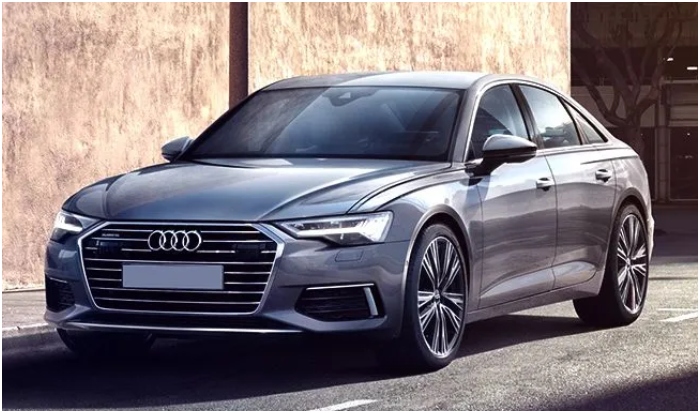
Common problems include significant engine issues and malfunctioning interior accessories. Potential owners should be prepared for these expensive repair costs, which can significantly add to the overall ownership expense.
Ford Mustang Shelby GT500
The Shelby GT500, a high-performance variant of the Ford Mustang, is best suited for track use due to its high maintenance costs. According to Edmunds, the average annual maintenance bill exceeds $2,500, with frequent additional repair costs of up to $4,725.
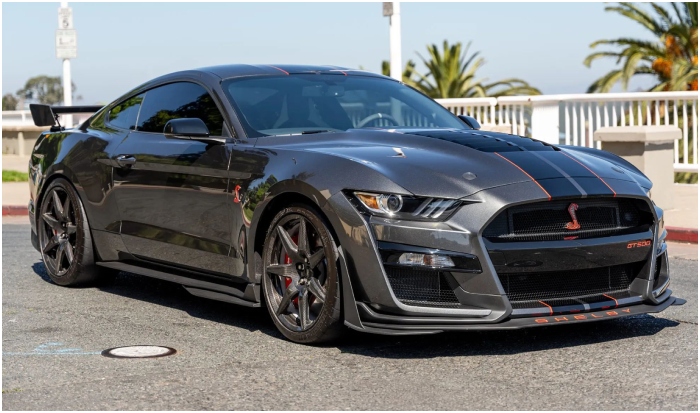
This makes the GT500 one of the most expensive American cars to maintain, potentially outweighing the thrill of its performance for non-track enthusiasts.
Toyota Mirai
The Toyota Mirai represents an ambitious step towards hydrogen fuel cell technology. However, practicality remains a significant barrier. The Mirai’s convenience is limited, with only 39 hydrogen fuel stations across the U.S. compared to 130,000 EV charging stations.
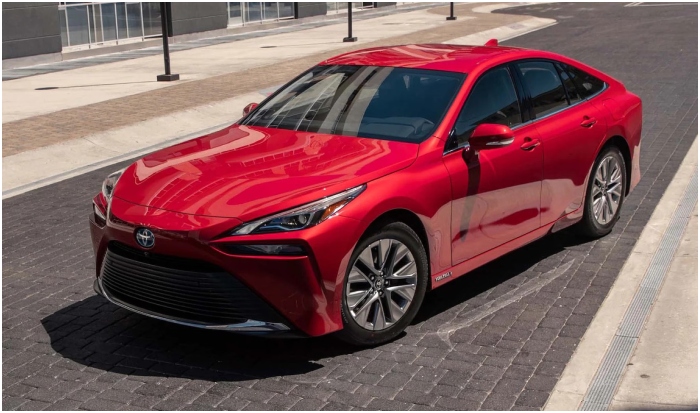
Unlike battery electric vehicles, the inability to refuel at home further restricts its practicality. The Mirai may appeal to tech enthusiasts but falls short for everyday users looking for convenience and widespread accessibility.
Chrysler 300C V6
While the V8 version of the Chrysler 300C is known for its durability, the V6 variant is fraught with issues. The V6 engine is one of the most problematic engines produced by FCA, as noted by RepairPal.
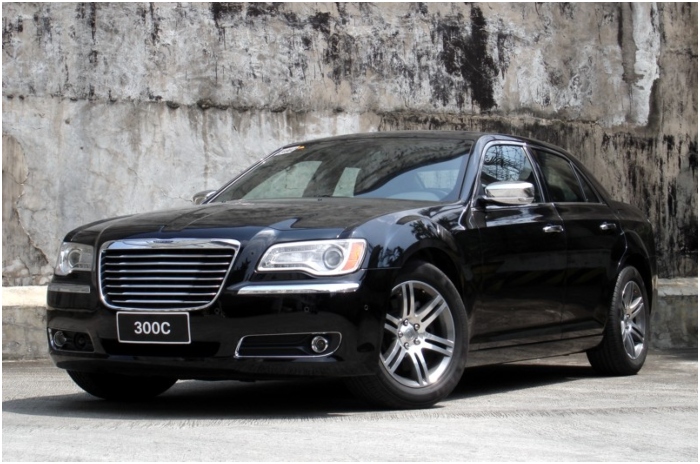
Common problems include overheating, coolant leaks, oil sludging, and premature engine failures. These issues make the V6 version less reliable than its V8 counterpart.
Toyota Fortuner
The Toyota Fortuner struggles to find its niche within Toyota’s lineup. Positioned between models like the RAV4, Rush, and the higher-end Land Cruiser Prado, the Fortuner is an uncomfortable vehicle with a subpar safety and stability record.
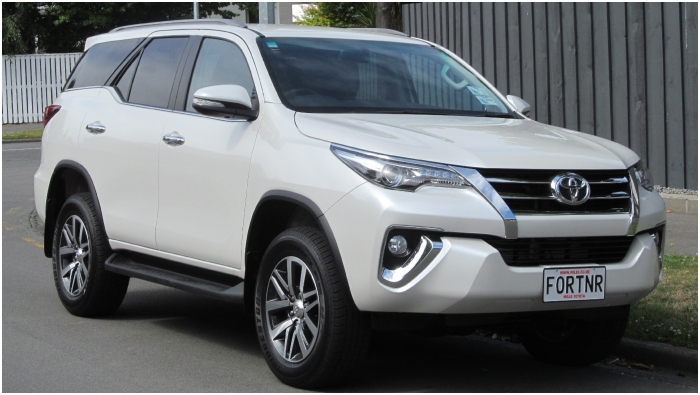
It may serve well for off-road purposes, but the Fortuner falls short in terms of comfort and safety for regular road trips and daily commuting.
2011 Jeep Grand Cherokee
The 2011 Jeep Grand Cherokee, while capable of an SUV, is beset with various issues. Its older V8 engine is notably inefficient, with EPA ratings of 14-17MPG. Additionally, problems with the transmission, wireless control module, and other components have been highlighted by RepairPal.
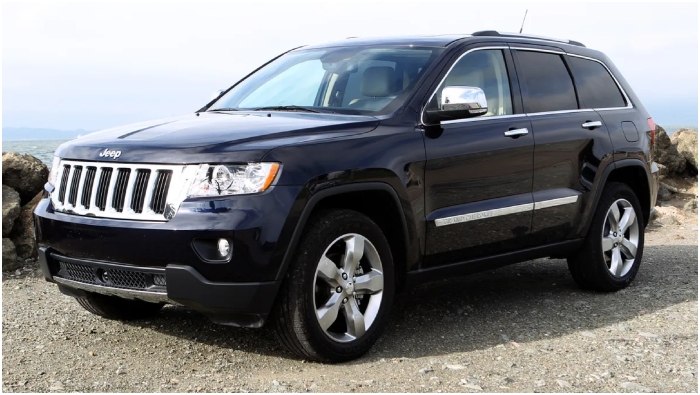
These issues can turn the ownership experience from enjoyable to troublesome. Considering the probable maintenance and repair challenges, potential buyers should be wary of seemingly attractive deals on this model.
Suzuki Alto
The Suzuki Alto is a stark example of minimal safety features in modern vehicles. Until recently, airbags weren’t standard but an optional add-on, forcing buyers to choose between cost savings and safety. Beyond the safety concerns, the Alto is equipped with an exceptionally weak 660cc naturally aspirated engine, so underpowered that it has largely been ignored in performance assessments.
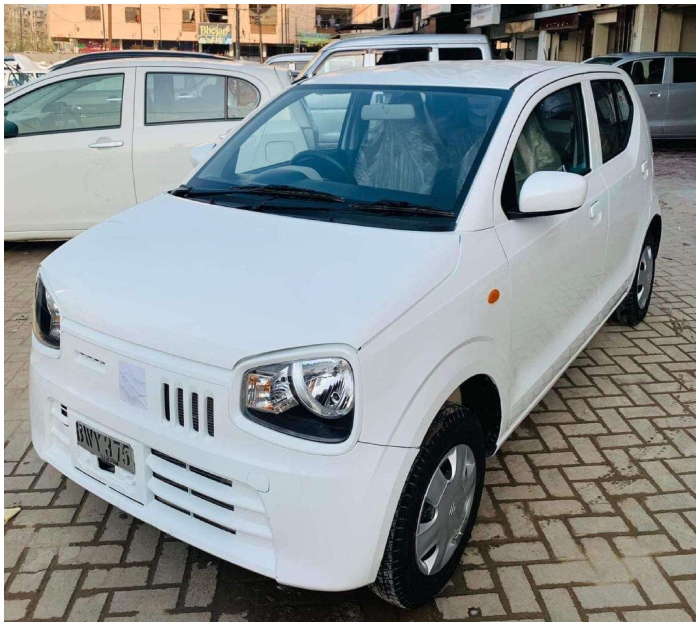
This lack of power and its minimal approach to safety makes the Alto a questionable choice for those prioritizing safety and performance in their vehicle.
2018 Maserati Ghibli
The 2018 Maserati Ghibli might lure buyers with the promise of affordable Italian luxury and performance, but it’s fraught with severe reliability and safety issues. This particular model is infamous for its high maintenance costs and unreliability.
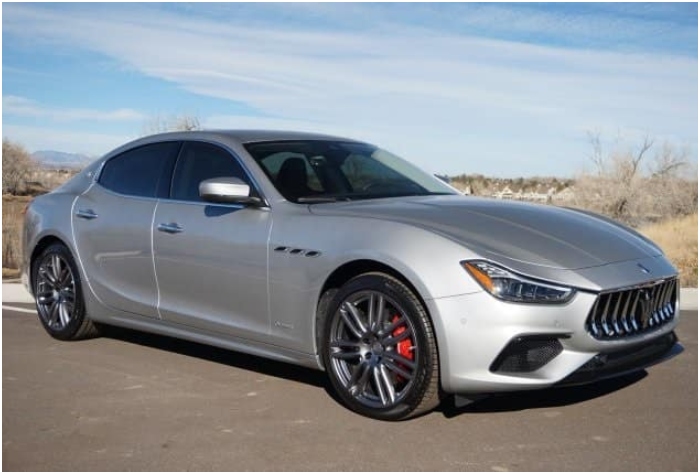
Its problems include critical issues like subframe welds coming apart, potentially turning the vehicle into a dangerous machine, and fuel hose problems in the engine compartment that could lead to fires while driving. These significant risks should give potential buyers pause when considering this model.
Acura MDX
While a competent vehicle, the Acura MDX doesn’t justify its price tag compared to alternatives like the Cadillac XT6 or Infiniti QX60, which offer similar or better features and all-wheel drive at the same price point. The MDX does have its positives, including lower maintenance costs and a reduced likelihood of major repairs compared to other luxury SUVs.
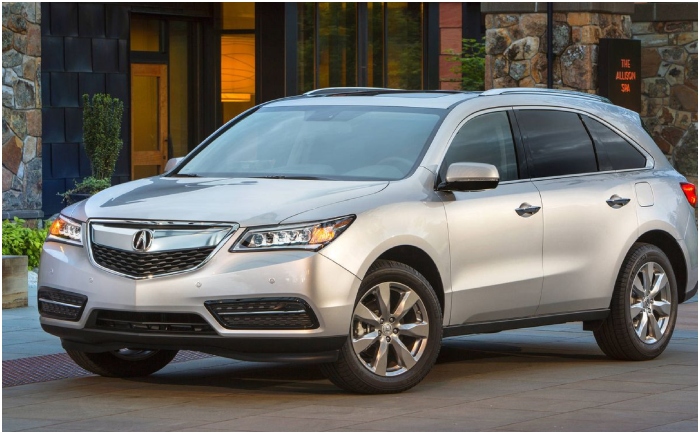
However, the MDX may not be the best choice when considering value for money and the availability of competitive options with more features at the same price.
2013 Nissan Altima
A simple internet search for “Nissan Altima 2013 problems” reveals many reasons to avoid this model. The 2013 Altima was plagued with issues ranging from recalls for crankshaft and camshaft sensors to widespread transmission problems. RepairPal lists an extensive array of issues for this particular model year, indicating that the vehicle is prone to various malfunctions.
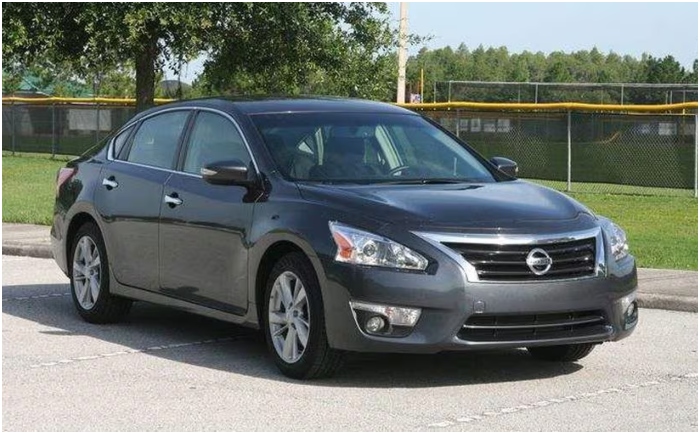
Despite offering better tech features than many cars from the same era, the number of problems associated with the 2013 Altima makes it an unwise choice for those seeking a reliable and hassle-free vehicle.