The Vikings, known for their village raids and fearsome presence, reached the height of their power about a millennium ago. Today, their legacy is primarily confined to history books. However, the passage of time doesn’t guarantee a complete understanding of their lives and culture. Numerous misconceptions and lesser-known facts about the Vikings still exist.
Over centuries, details about their way of life have either been forgotten or inaccurately passed down. Given the time elapsed, this distortion of historical facts is not unusual. Thankfully, careful historical research can unravel some of these mysteries and gain a clearer picture of the Viking era.
Fire-Starting Techniques
The Vikings, living in an era far removed from the conveniences of electricity, relied heavily on fire for light, warmth, and even for strategic purposes during raids. Starting a fire swiftly was crucial for them, especially in harsh conditions. Surprisingly, one of their methods for quick-fire ignition involved a natural form of chemistry.
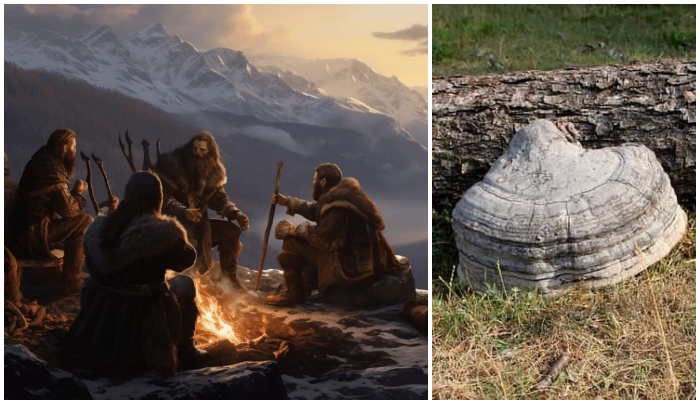
The Vikings discovered that certain fungi became highly flammable when soaked in their urine. They would boil these fungi in urine, allowing the mixture to ferment for several days. The resulting material was a potent firestarter, capable of igniting quickly and efficiently.
Power Dynamics in Viking Male Relationships
In Viking society, the dynamics of male relationships were complex and often rooted in power and dominance. Unlike today’s evolving understanding and acceptance of same-sex relationships, the Vikings had a markedly different perspective. These relationships were not uncommon a thousand years ago, but their nature was far from what we might understand today.
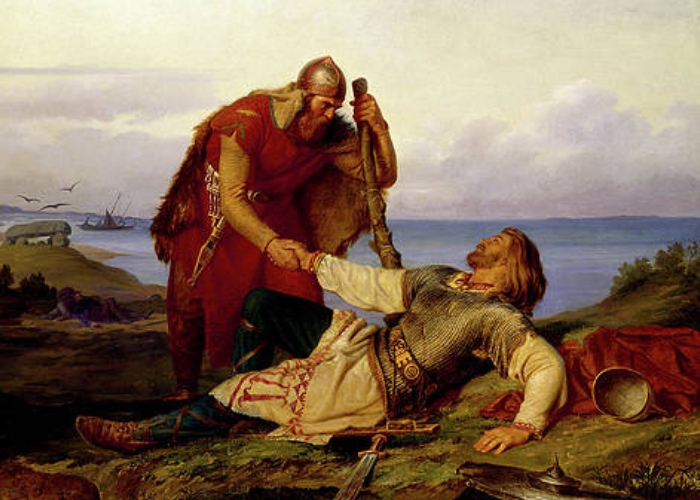
In many cases, these interactions were not consensual and served to assert dominance. The act was often used to humiliate the submissive party, reinforcing a hierarchy rather than indicating sexual orientation. For the dominant individual, it displayed power and control, a stark reminder of their authority and status within their community.
Viking Wound Diagnosis
Living in the Viking era, far from the advancements of modern medicine, meant relying on rudimentary methods for healthcare. One of the most intriguing practices involved a unique approach to assessing the severity of wounds. Without medical instruments and knowledge, the Vikings turned to nature for solutions. Warriors were given a special soup made from onions, leeks, and herbs when they sustained an injury.
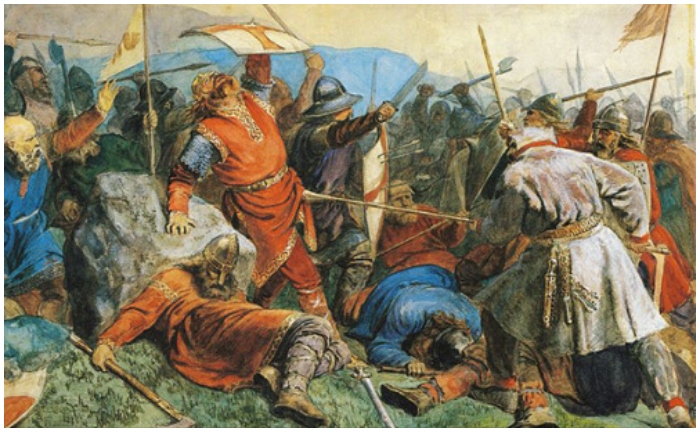
This was not just any meal; it served a crucial diagnostic purpose. After the warrior consumed the soup, a healer would closely smell the wound. If the distinct aroma of the soup ingredients was detectable through the wound, it was taken as a sign that the injury was fatal. In such cases, the belief was that no further medical intervention could save the warrior.
The Mysterious Practice of Viking Tooth Filing
Filing nails is a common practice today, but filing teeth? This seemingly unusual custom was part of Viking culture over a thousand years ago. Unlike modern dental practices aimed at health or aesthetics, the Vikings had different reasons for this practice, though they remain largely speculative.
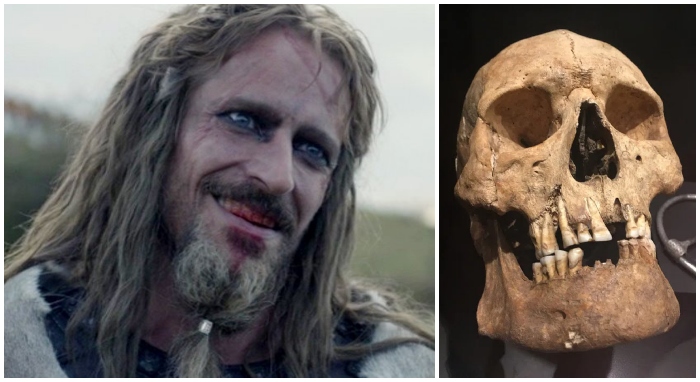
Historians are unsure about the exact purpose of tooth filing among the Vikings. Some suggest it was a symbol of status, indicating prowess in battle. Others believe it might have been for aesthetic reasons, perhaps to intimidate enemies or to adhere to a specific cultural standard of appearance.
Viking Dispute Resolution
In contrast to today’s preference for dialogue and mediation in resolving disputes, the Vikings had a more direct and combative approach: the holmgang. This traditional duel was a deeply ingrained part of their culture. It served as a decisive method to settle conflicts, be they matters of honor, accusations, or other disagreements.
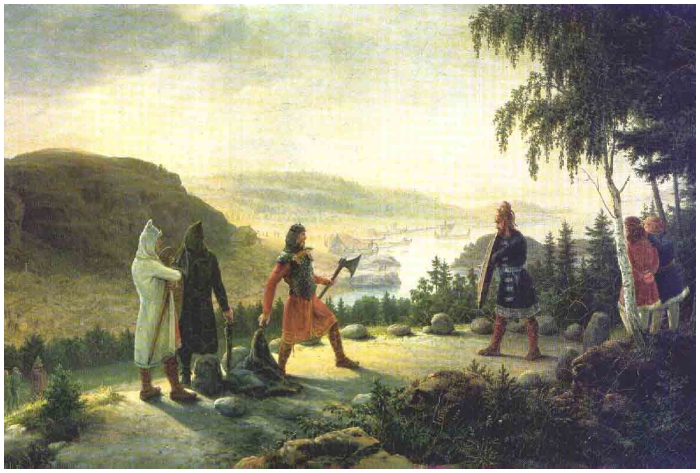
The holmgang was usually scheduled within days of the challenge being issued, and each duel had its own set of rules, agreed upon before the fight commenced. These duels were often fierce and, in many cases, continued until one participant was fatally injured. Interestingly, if a combatant felt physically outmatched, they could appoint a proxy champion to fight on their behalf. Refusing to participate in a holmgang directly or through a representative was tantamount to admitting defeat or guilt.
The Downfall of Holmgangs
Initially, the holmgang was a respected method for resolving disputes among the Vikings, eventually became a system fraught with exploitation. This decline was primarily due to the misuse of the practice by physically dominant individuals, who realized they could manipulate these duels to their advantage.
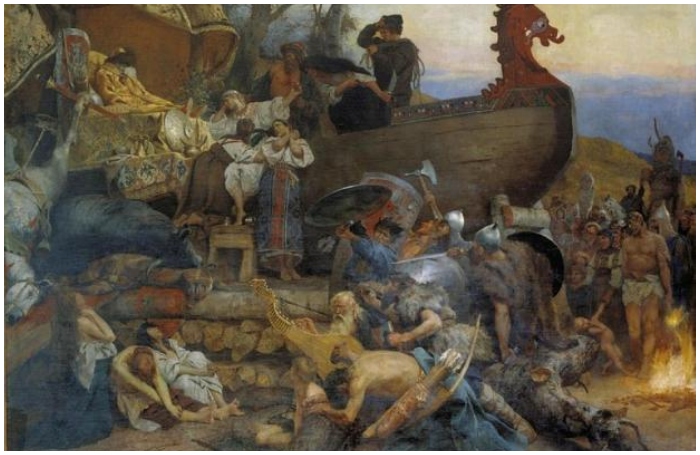
Vikings possessing superior strength or combat skills began issuing challenges for self-serving purposes. They targeted individuals in disputes over property, land, or even personal relationships, knowing their physical prowess would likely grant them victory. This exploitation transformed holmgangs from a system of honorable conflict resolution into a tool for intimidation and unjust gain. As a result of these abuses, the practice of holmgang was eventually deemed unsustainable and outlawed.
The Deadly Nature of Viking Games
The Viking era, characterized by a culture deeply intertwined with physical prowess and combat, extended this ethos to their recreational activities. Unlike modern-day sports and games, which are generally safe and regulated, Viking games were often dangerous, with a real risk of fatal outcomes.
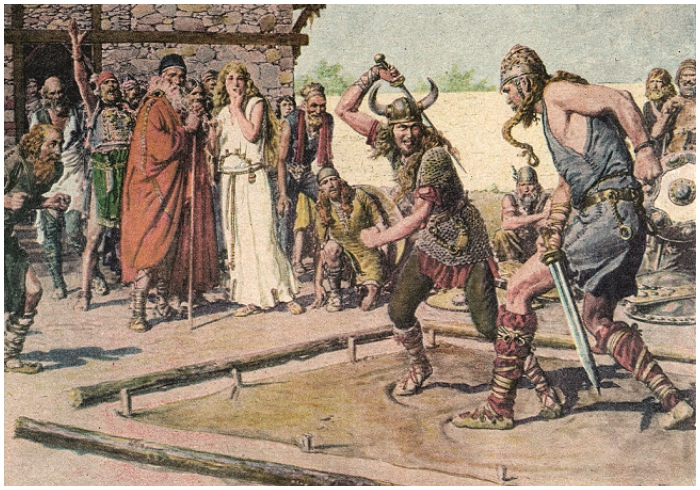
These games were not just for entertainment or physical exercise; they reflected the harsh realities of Viking life, where strength and combat skills were paramount. The intensity and competitiveness of these games occasionally led to severe injuries or even death. This aspect of their culture highlights the Vikings’ acceptance of violence and danger as integral parts of their daily lives, even in leisure.
The Diversity of Viking Games
The Vikings, known for their robust and often violent lifestyle, also indulged in various competitive and entertaining games. Their love for physical activities extended beyond the problematic nature of some of their games, showcasing a variety of less lethal but equally challenging pastimes. Wrestling was a popular sport among the Vikings, but it bore little resemblance to the modern version.
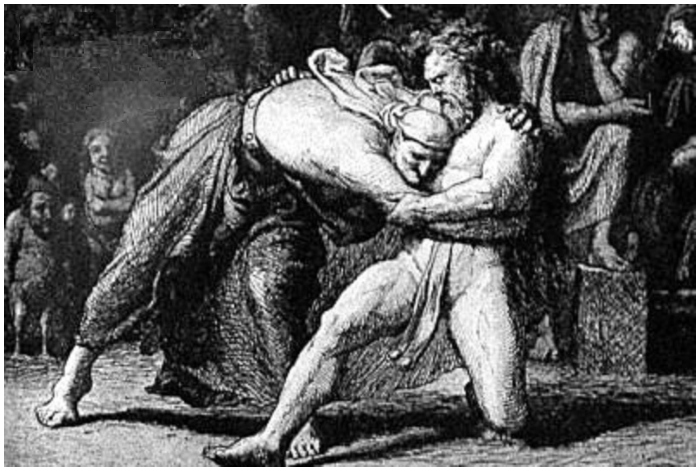
Their version was more hazardous, often involving a flat stone, which posed a significant risk of serious injury, such as a broken back, to the participants. In addition to wrestling, Vikings engaged in activities akin to tug-of-war and even food fights, adding a lighter and more playful dimension to their leisure time.
The Viking Chess
Hnefatafl was a beacon of intellectual competition among the Vikings, starkly contrasting their physically demanding games. This strategic board game, akin to chess, required players to capture or defend a king, emphasizing strategy over brute strength. It showcased the Vikings’ appreciation for mental prowess alongside their renowned physical capabilities.
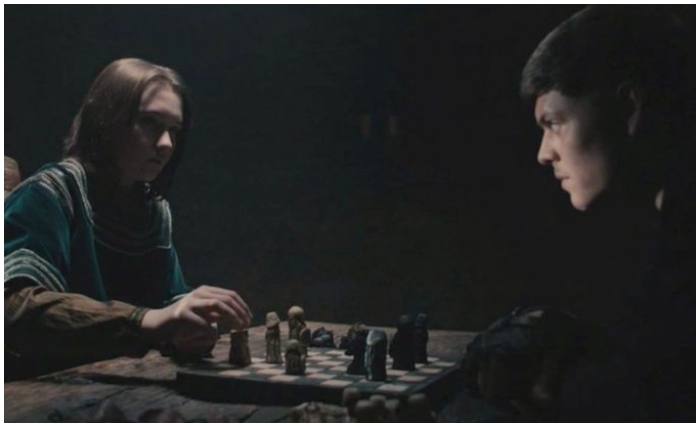
Offering a less violent form of entertainment, hnefatafl allowed Vikings to engage in a cerebral battle of wits, highlighting a sophisticated aspect of their culture that valued not just physical strength but also strategic thinking.
Harsh Realities of Viking Parenthood
In Viking society, the survival and strength of the community were paramount, leading to some stark practices regarding family life. Contrary to the unconditional love expected in modern parenting, Vikings often faced grim decisions about the fate of their newborns.
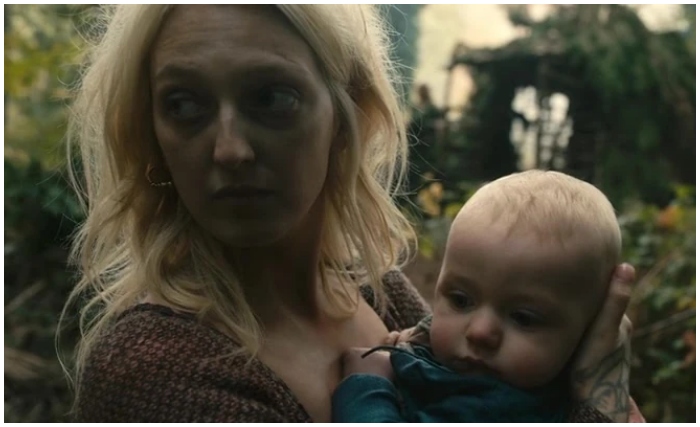
Infants showing signs of deformity or perceived weakness were not always allowed to survive. This practice underscores the brutal aspects of Viking culture, where the harshness of life dictated a pragmatic yet heartrending approach to parenthood and community survival.
Gender Imbalance in Viking Society
With its stringent norms and survival-oriented values, Viking society pronouncedly preferred males over females. This bias stemmed from the roles and expectations placed on individuals from birth. Males, often seen as future warriors or leaders, were valued more highly than females, leading to a tragic outcome for many newborn girls.

This gender preference contributed to a significant imbalance in the male-to-female ratio within Viking communities. The societal emphasis on physical prowess and utility in warfare and leadership roles inadvertently fostered an environment where fewer females survived into adulthood.
Kidnapping as a Solution to Gender Imbalance
The significant gender imbalance within Viking societies led to unforeseen consequences in their interactions with other communities. With a scarcity of women in their own settlements, Vikings turned to the drastic measure of kidnapping women during their raids.
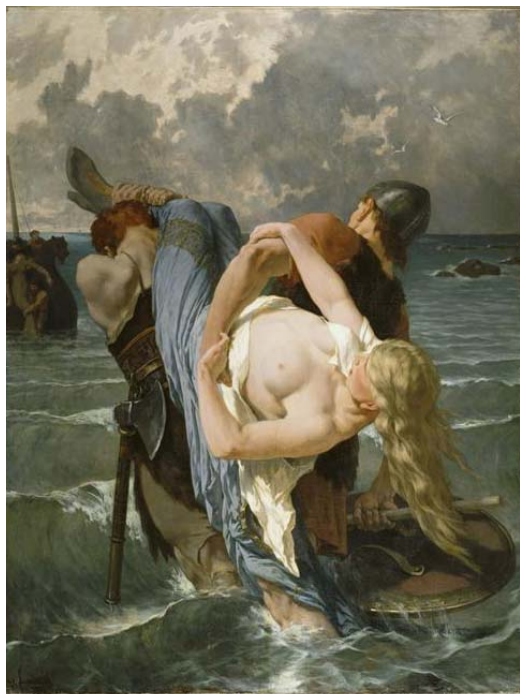
This practice ensured the continuation of their lineage. Such actions underscore how the skewed male-to-female ratio impacted Viking society, driving them to integrate women from conquered territories into their communities to sustain population growth and maintain social structures.
The Fearsome Berserkers
The berserkers stood out among Viking warriors for their exceptional ferocity and fearlessness. Cloaked in the aura of myth and legend, they were reputed for their unparalleled strength and seemingly boundless rage in battle.
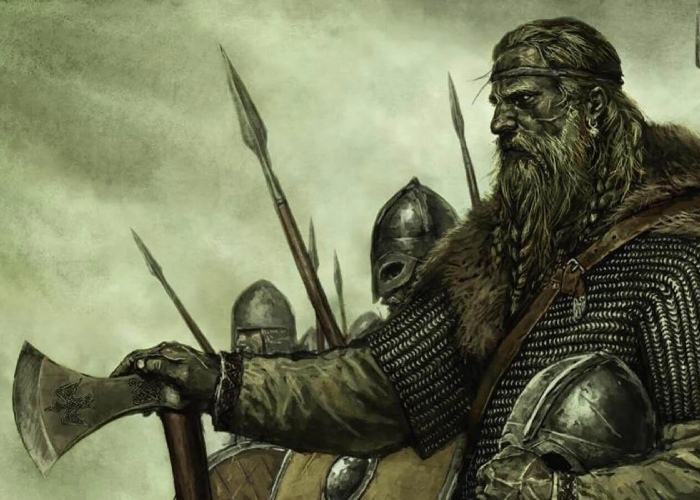
Berserkers were often believed to enter fights without armor, a testament to their daunting courage and belief in their invincibility. Their reckless abandon and reputation for brutality made them the most formidable Viking warriors, embodying the extreme aspects of Viking martial prowess and the dark mystique surrounding their legendary exploits.
The Secret Behind Berserkers’ Rage
The legendary fury of Viking berserkers may have had chemical roots, far from being a mere display of uncontrollable anger. Historical accounts suggest that these fearsome warriors might have consumed specific substances to induce their battle trance, characterized by an extraordinary frenzy and strength.
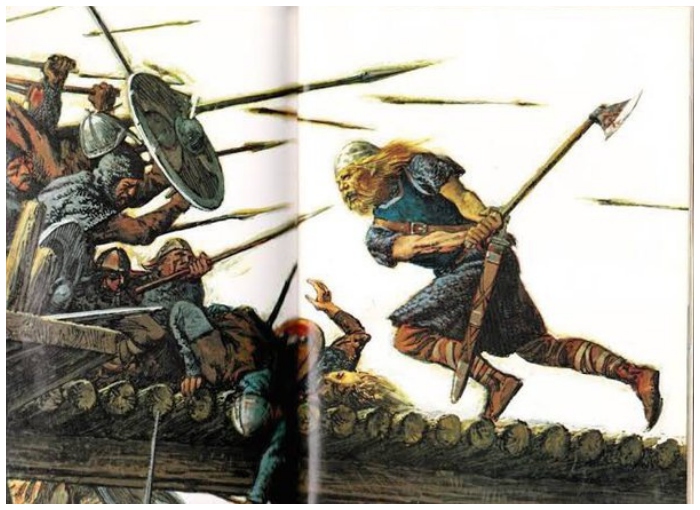
Symptoms such as shivering, chills, facial swelling, and teeth chattering preceded their transformation into unstoppable forces on the battlefield. This practice highlights the lengths to which berserkers went to harness their physical and psychological edges in combat, blending natural remedies and rituals to become embodiments of war’s primal ferocity.
Berserker Fury
The presence of berserkers in Viking ranks was a formidable advantage, yet it came with significant risks. In their frenzied state, fueled by rage and possibly influenced by mind-altering substances, berserkers lost the ability to recognize allies, seeing only enemies to be defeated.
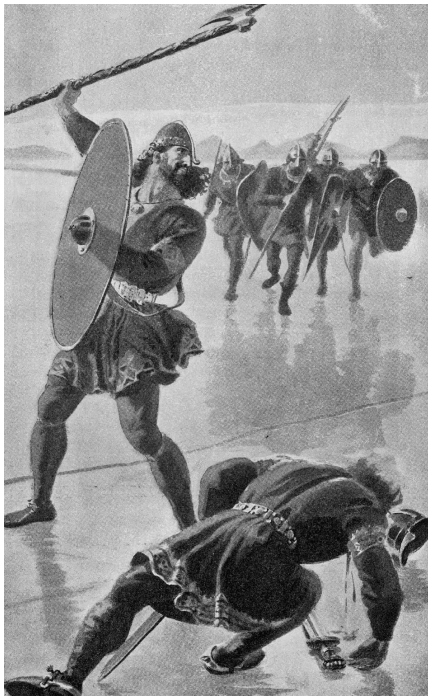
This lack of discernment could lead to tragic mistakes, as they might inadvertently harm their comrades amidst the chaos of battle. The uncontrollable nature of their fury made them unpredictable elements in combat, embodying the fine line between unmatched strength and the potential for friendly fire, highlighting the complex dynamics of Viking warfare.
Female Thralls
In Viking society, enslaved women, or thralls, occupied the lowest rung of the social ladder, leading lives defined by hard labor and subjugation. These women, often captives from Viking raids across Europe, were primarily tasked with domestic chores, agricultural work, and other labor-intensive duties.
While historical accounts vary, it is clear that their treatment was harsh and their rights severely limited. Female thralls could be subjected to exploitation and were at the mercy of their masters’ whims. Despite these adversities, some narratives suggest that thralls could occasionally rise in status or earn freedom through various means, including marriage or notable service.
Reindeer Armor
Effective armor was crucial in the thick of Viking combat, where close-range encounters were the norm. While chainmail was a common choice for protection, it was not the only material Vikings turned to. Some warriors opted for an unconventional yet practical solution: reindeer armor.
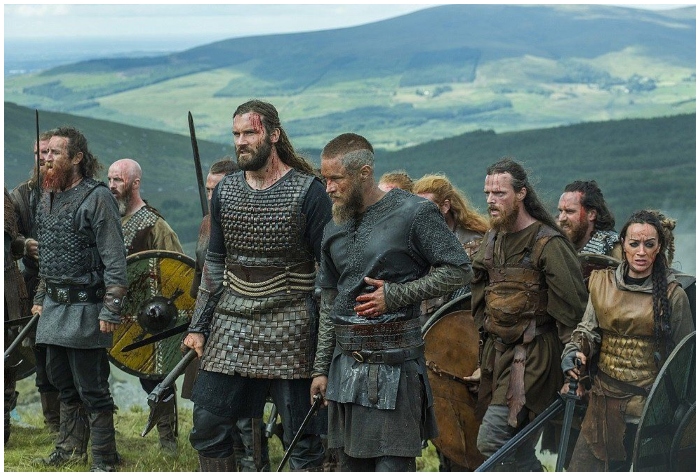
Using such natural materials highlights the Vikings’ adaptability and resourcefulness in utilizing their environment for warfare. Reindeer armor provided a valuable defense mechanism in the absence or scarcity of traditional chainmail, underscoring the diverse tactics Vikings employed for survival in battle.
Viking Horse Trials
Vikings valued horses highly, using them for both transportation and warfare. To ensure the quality of their horses, they held Hestavíg, competitions to test the animals’ strength, speed, and endurance. The strongest horses were chosen for breeding, ensuring that future generations would inherit desirable traits.
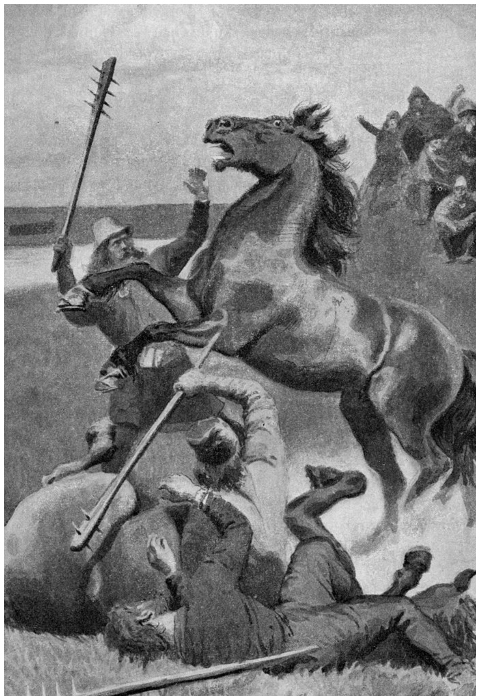
This practice underscores the Vikings’ deep understanding of animal husbandry and their strategic approach to maintaining an effective cavalry.
Vikings in the Byzantine Empire
Not all Vikings were raiders or settlers; some ventured into the heart of the Byzantine Empire to serve as elite guards, known as the Varangian Guard, for the Byzantine Emperors.
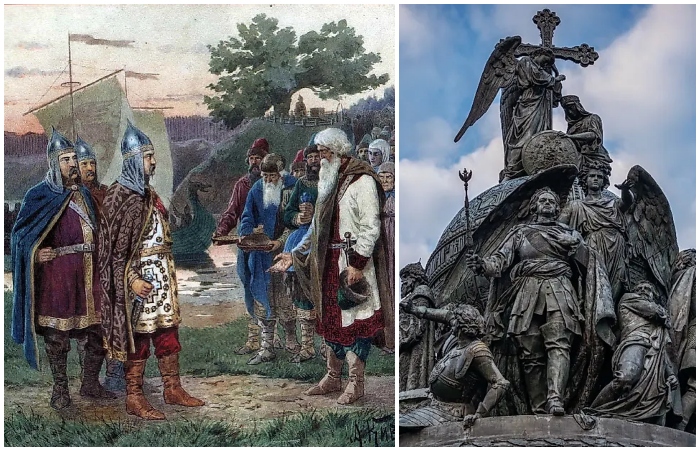
This role as trusted imperial bodyguards showcases the Vikings’ versatility and how their martial prowess was respected far beyond their homelands. Serving in the Varangian Guard offered wealth and a prestigious position within one of the period’s most powerful empires.
The Louvre’s Defensive Beginnings
The Louvre, now renowned as a premier museum, originated as a fortress constructed to protect Paris from Viking raids. Its initial purpose reflects the significant threat the Vikings posed to much of Europe, prompting the construction of fortifications.
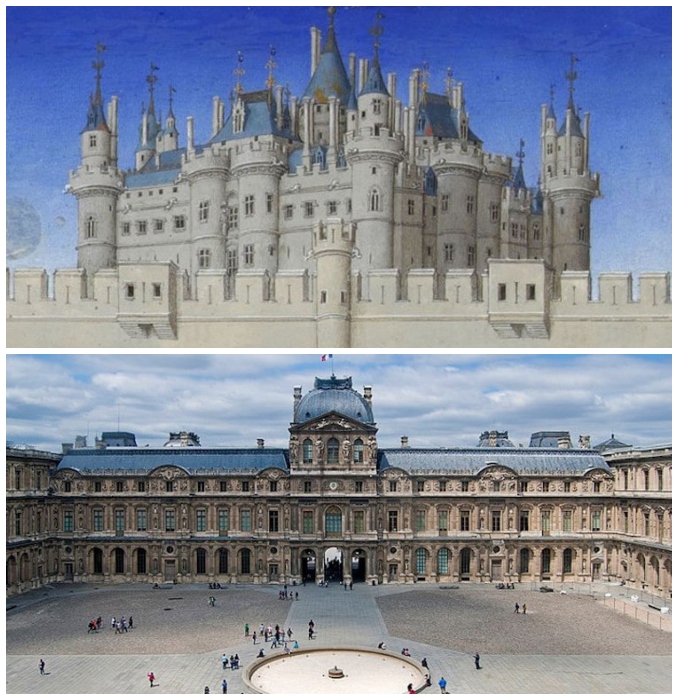
Over centuries, this fortress evolved into the palatial museum we know today, a testament to the lasting influence of Viking activity on European history and architecture.
Viking Navigation Techniques
Viking navigational skills were unparalleled in their time, enabling them to voyage across the open sea with remarkable accuracy. They likely utilized sunstones, among other navigational aids, to determine the sun’s position even on cloudy days.
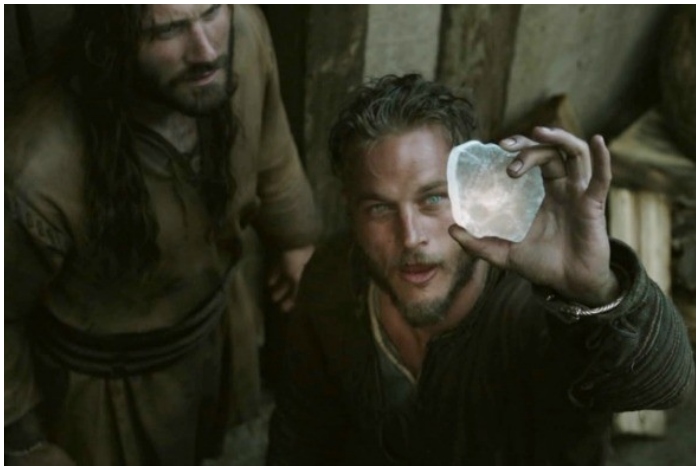
These techniques, combined with their advanced shipbuilding skills, allowed Vikings to explore, raid, and trade over vast distances, from the shores of North America to the rivers of Eastern Europe, demonstrating their significant contributions to medieval seafaring.
Viking Hygiene
Contrary to the rugged, dirty image often associated with Vikings, they were notably clean for their time. Historical evidence suggests Vikings bathed more frequently than their European contemporaries, incorporating regular washes into their routine.
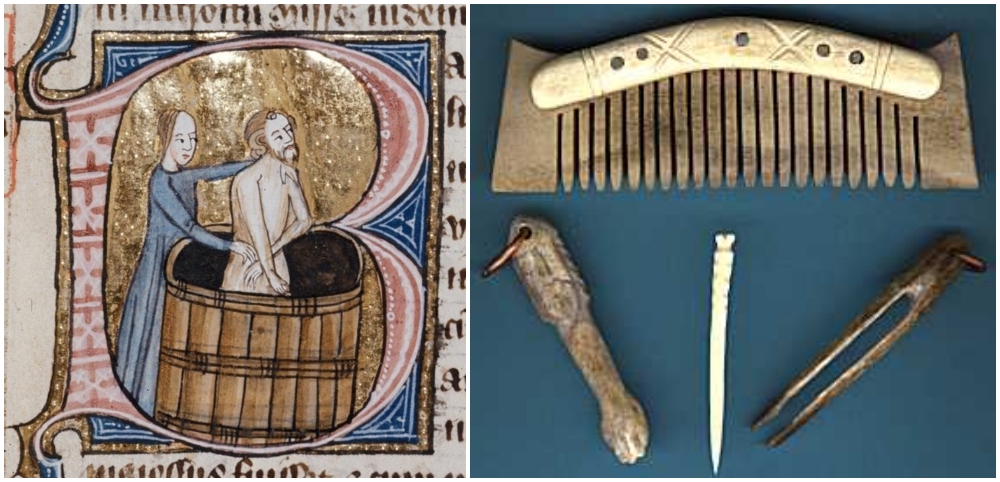
They also utilized grooming tools like combs, tweezers, and even ear cleaners, indicating a culture that valued personal hygiene. This attention to cleanliness challenges modern stereotypes, showing a side of Viking life that emphasizes their sophistication and contradicts the brutish warrior image.
Vikings and Slave Trading
Despite modern narratives challenging the ruthless Viking stereotype, their involvement in slave trading paints a darker picture. Vikings were active participants in the slave trade, often kidnapping women and children during their raids.
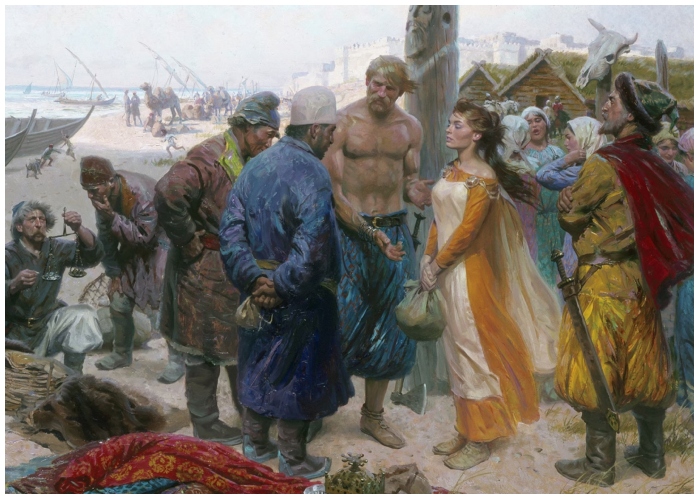
These captives were either sold in markets across Europe and the Middle East or kept as enslaved people. While men were also kidnapped, the demand was predominantly for women and children, highlighting a grim aspect of Viking expeditions that contributed to their wealth and power.
Gender Inequality in Punishment
In Viking society, the consequences of transgressions could be harsh, with women often receiving more severe punishments than men for the same offenses.
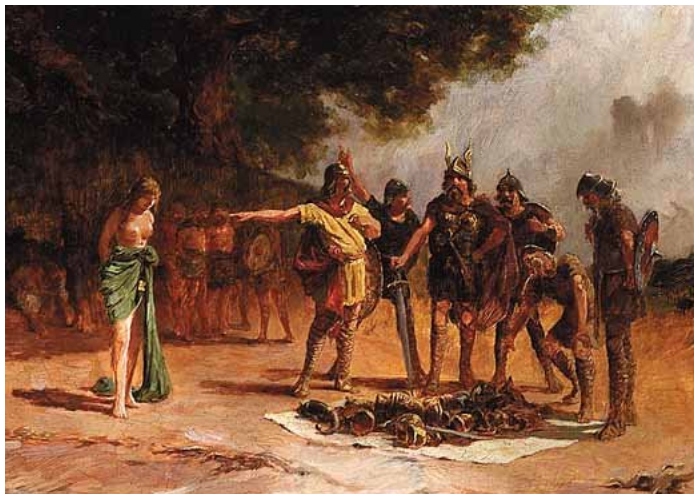
Enslaved women faced brutal repercussions for displeasing their masters, including mutilation or branding. Additionally, laws reflected this gender disparity; for example, a woman found guilty of adultery faced mutilation, losing her nose and ears, while a man might only receive a reprimand. This stark difference underscores the limitations of gender equality within Viking culture, revealing a societal structure that was significantly biased against women.
Viking Values
Honesty was highly esteemed among Vikings, significantly influencing their legal and moral judgments. Admitting to a deed, even as severe as murder, often resulted in a less harsh punishment, underscoring their value of truthfulness.
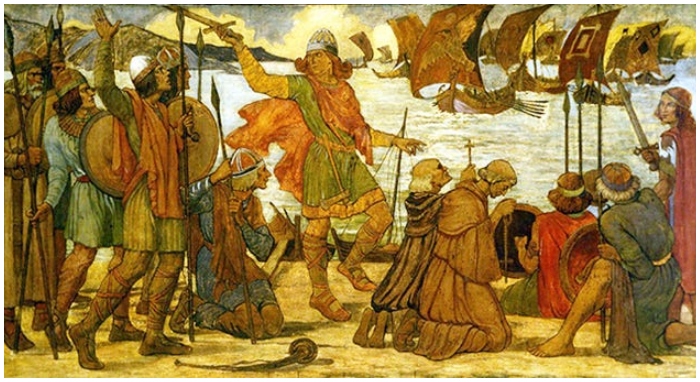
In contrast, deceitful acts like arson or nocturnal ambushes were condemned for their cowardice. Open confrontation was respected, even in conflict, reflecting a culture that prized honesty and directness in its dealings.
Careful Words
In Viking society, words held power, and insults could easily lead to deadly confrontations. The story of Thorvald Konradsson illustrates this; after being insulted, he retaliated by killing the offenders.
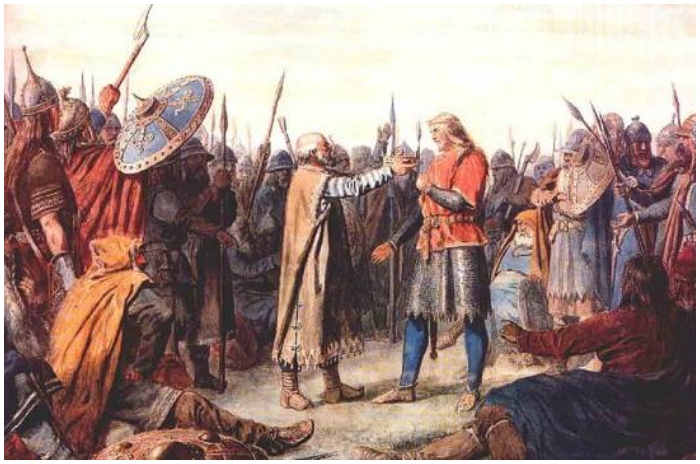
Though banished from Iceland, Thorvald’s response underscores the Vikings’ intolerance for dishonor and their readiness to defend their reputation, even with lethal force.
Tarring and Feathering
Tarring and feathering in Viking times was an extreme form of public humiliation and punishment, far removed from the modern image of the practice.
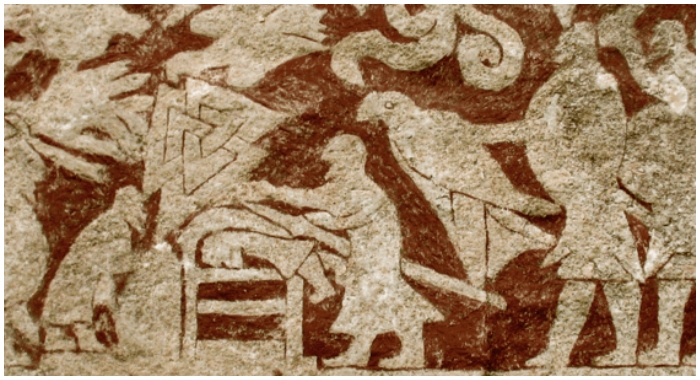
Offenders had to navigate a gauntlet of men hurling bricks and stones, a brutal test of endurance. Survival meant freedom, but the ordeal often resulted in severe injury or death, reflecting the harshness of Viking justice.
Viking Slaves
Viking raids brought captives from diverse backgrounds, but Slavic, Germanic, and Anglo-Saxon individuals were particularly favored as thralls (slaves).
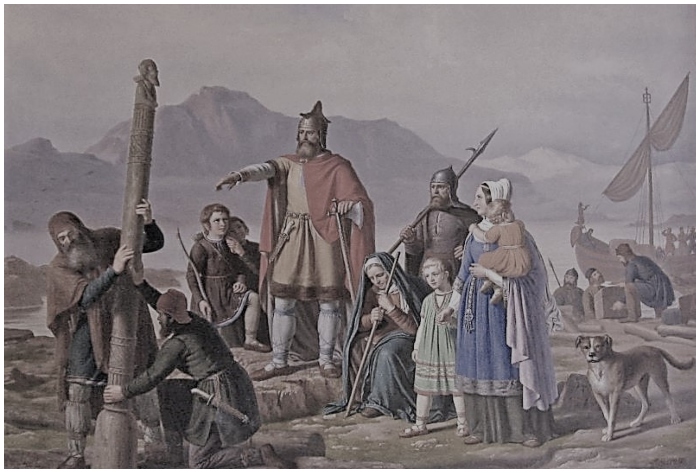
This preference influenced the demographics of Viking slaves, with those not fitting these groups more likely to be sold in distant markets. The fate of these captives varied, with some arguably facing harsher futures than others.
Monks as Eunuch Slaves
Vikings targeted literate monks for their raids, valuing their education for the Eastern slave markets. Before being sold, these monks underwent castration to become eunuchs, enhancing their market value.
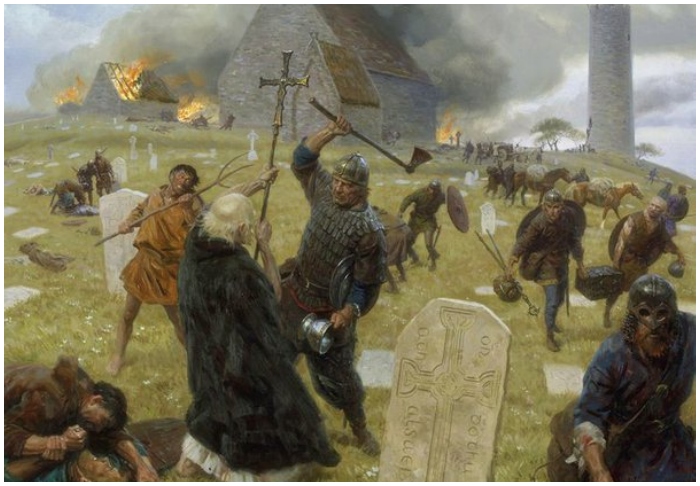
This grim practice highlights the Vikings’ pragmatic approach to slavery, targeting specific individuals for their skills and altering them to fit market demands.
Viking Legal System
Despite the temporal gap, the Viking legal system shares similarities with modern practices. It included trials where a jury decided the defendant’s fate based on evidence and testimonies. Punishments varied from fines to outlawry, a form of social death.
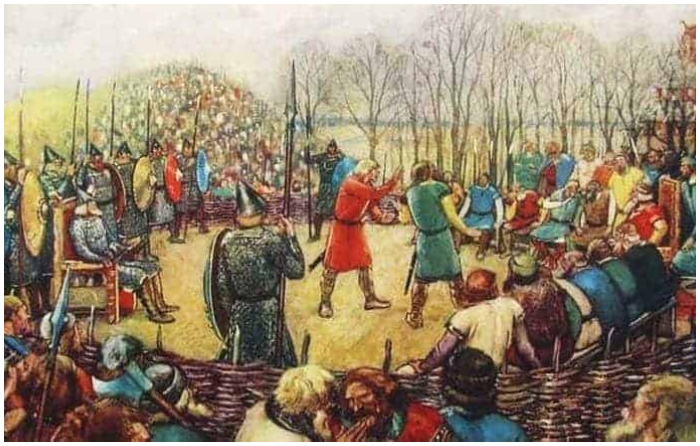
This system underscores the Vikings’ sophisticated approach to law and order, balancing communal judgment with individual accountability.
Sigurd the Mighty’s Unusual Demise
Sigurd the Mighty, a Viking leader, met an ironic end that underscores the unpredictable dangers of the era. After defeating his rival, Máel Brigte the Bucktooth, Sigurd attached Máel Brigte’s severed head to his saddle as a trophy.
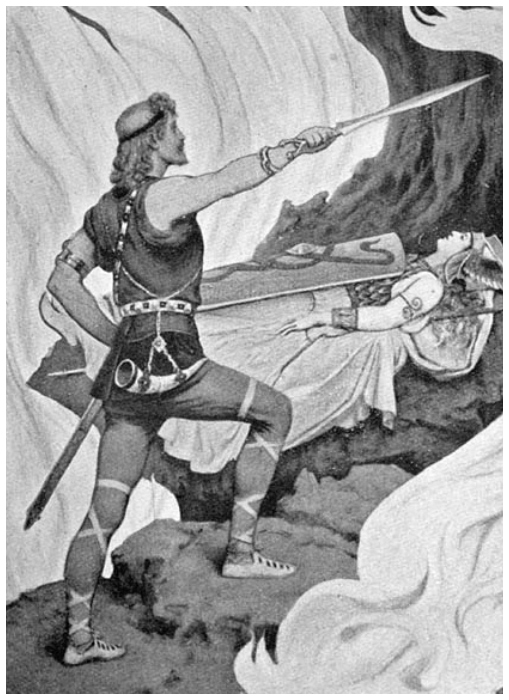
During his ride, the dead man’s tooth grazed Sigurd’s leg, leading to an infection. This seemingly minor injury resulted in Sigurd’s death, a stark reminder of the period’s medical limitations and the bizarre hazards faced by Vikings, even in victory.
Parasitic Worms
In the Viking Age, parasitic worms were a common affliction, primarily attributed to consuming raw or undercooked meat and less-than-ideal hygiene practices. The Vikings’ dietary habits, including a fondness for organ meats, increased their exposure to these parasites.
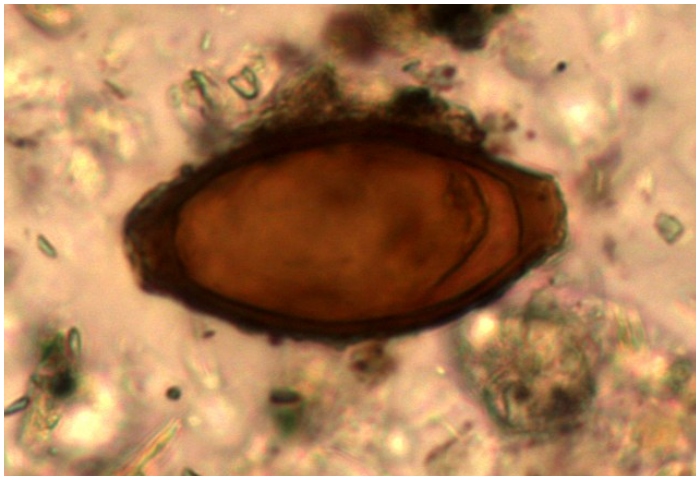
Despite the era’s reputation for cleanliness relative to contemporaries, the limitations of their hygiene practices could not fully prevent such infections, highlighting the everyday health challenges in Viking society.
Health Legacies
The Viking lifestyle, particularly their struggle with parasitic worms, has had lasting effects on the health of their modern descendants. Researchers suggest that Vikings developed specific genetic adaptations, like altered forms of alpha-1-antitrypsin (A1AT), to combat these infections.
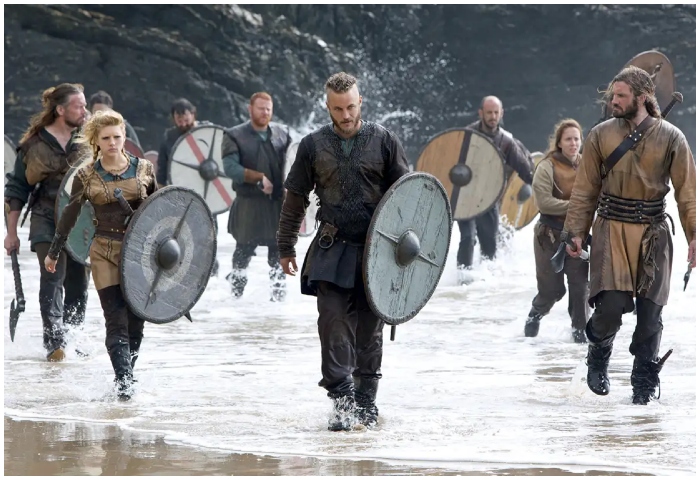
While beneficial then, these genetic variants now predispose their descendants to health issues like emphysema and chronic obstructive pulmonary disease (COPD). This connection between ancient lifestyles and contemporary health illustrates the profound and lasting impact of our ancestors’ environments and challenges on our wellbeing.
Achilles Torture
Among the chilling practices attributed to Vikings, one particularly gruesome method of torture involved hanging victims by their Achilles tendons. According to Hrafnkels saga Freysgoða, victims, including Hrafnkel and his men, were forcibly taken from their beds and suspended from beams.
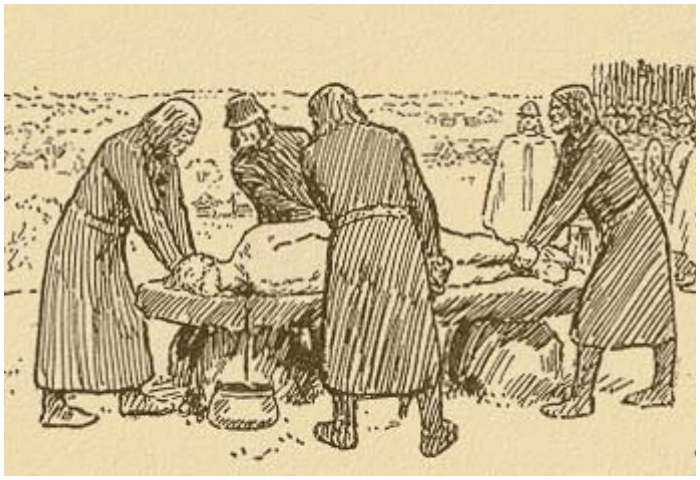
This was achieved by piercing their heels to thread ropes through, effectively hanging them tortiously. Such extreme forms of punishment highlight the brutal methods sometimes employed in Viking society, demonstrating their capacity for harsh retribution.
The Ordeal: Trial by Fire, Water, and More
“The Ordeal” comprised various trials to determine guilt or innocence, reflecting a belief in divine judgment. Methods ranged from enduring fire, such as walking over hot coals or holding burning iron, to water trials, where survival might indicate innocence—a stark contrast to later witch trials.
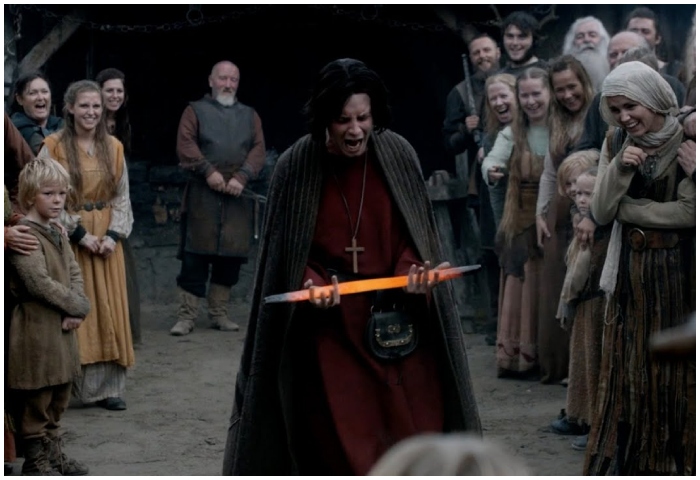
These ordeals became more prevalent with the Vikings’ conversion to Christianity, merging pagan practices with Christian beliefs in trial by divine intervention.
Vikings and the Spread of Illness
The Vikings, known for their extensive travels and raids, inadvertently spread diseases across Scandinavia. Despite their relatively advanced hygiene practices, the lack of modern medicine meant illnesses could swiftly become epidemics.
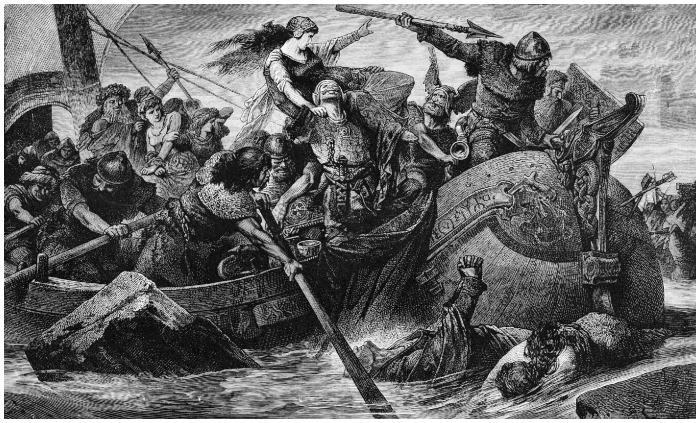
Diseases like smallpox and leprosy were introduced into Viking communities, often through contact with captured slaves from regions like Ireland, where such illnesses were prevalent. This highlights the unintended consequences of Viking expeditions, showcasing the broader impacts of their interactions with other cultures beyond mere conquest and trade.
Viking Marriages
For Vikings, marriage was more a strategic alliance than a romantic endeavor. These unions were negotiated between families, focusing on the social and economic advantages they could bring to both parties involved. The bride’s family often provided a dowry, emphasizing the transactional nature of marriage.
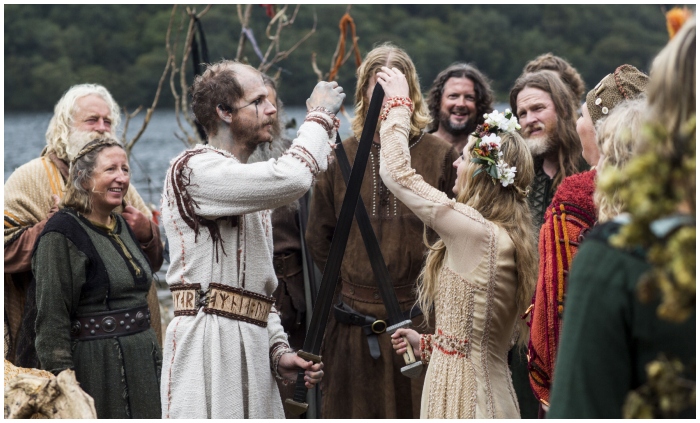
This approach to matrimony underscores the pragmatic aspects of Viking society, where alliances and family connections were crucial for survival and prosperity.
Kittens as Wedding Gifts
In Viking culture, giving kittens to new brides highlighted cats’ practical and symbolic importance in households. Contrary to the modern romanticism surrounding wedding gifts, Vikings valued utility and the role of cats in managing pests and contributing to the home’s wellbeing.
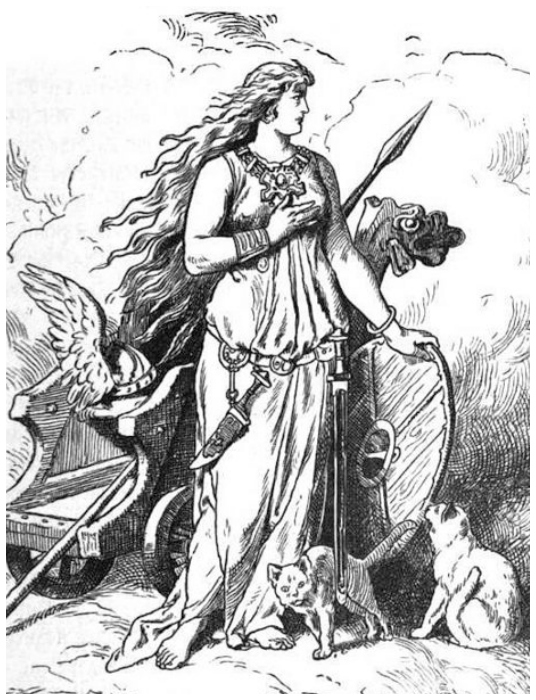
This tradition reflects the Vikings’ connection with nature and the practicality of their daily lives.
Farmers First
Contrary to popular depictions of Vikings as primarily raiders and warriors, the majority were, in fact, farmers. This overlooked aspect of Viking life highlights a largely agrarian society, with most men dedicated to cultivating the land and sustaining their families.
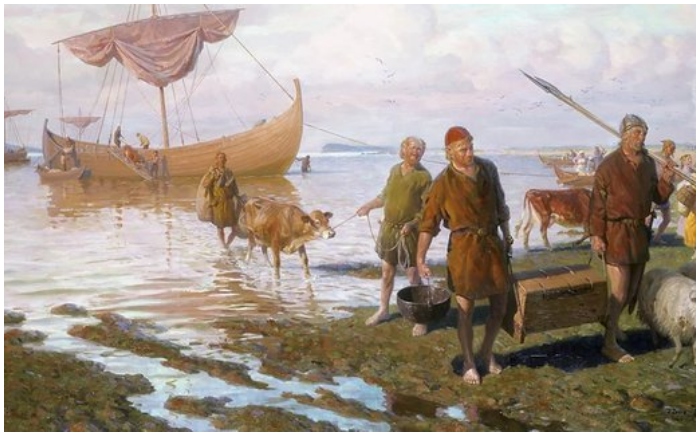
While the exploits of Viking warriors captured the imagination of history, the peaceful, diligent efforts of Viking farmers laid the foundation of their communities, challenging modern stereotypes and showcasing the diversity of roles within Norse society.
Skull Cups
The myth of Vikings drinking from the skulls of their enemies is a vivid image but far from accurate. This misconception likely originated from a mistranslation of a saga, leading to widespread belief in a practice that never existed. Instead, Vikings used readily available materials, such as hollowed-out tusks from walruses, for their drinking vessels.
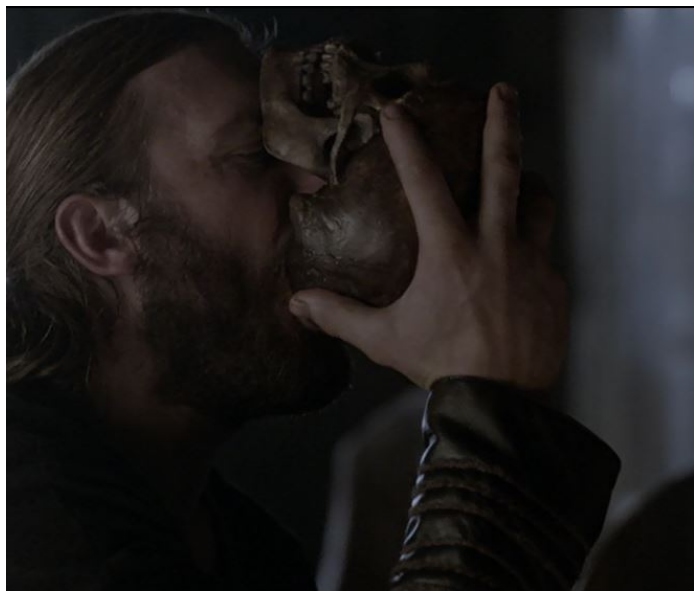
This correction illuminates the importance of critical interpretation of historical texts and the need to question sensationalized portrayals of the Vikings.
Horned Helmets
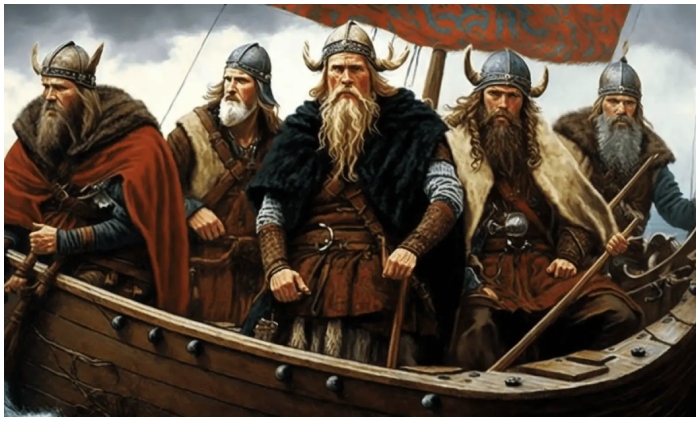
The iconic horned Viking helmet, often depicted in popular culture, results from 19th-century artistic interpretation rather than historical accuracy. Viking warriors wore practical helmets designed for protection in battle, similar to those used throughout Europe at the time, without any decorative horns.
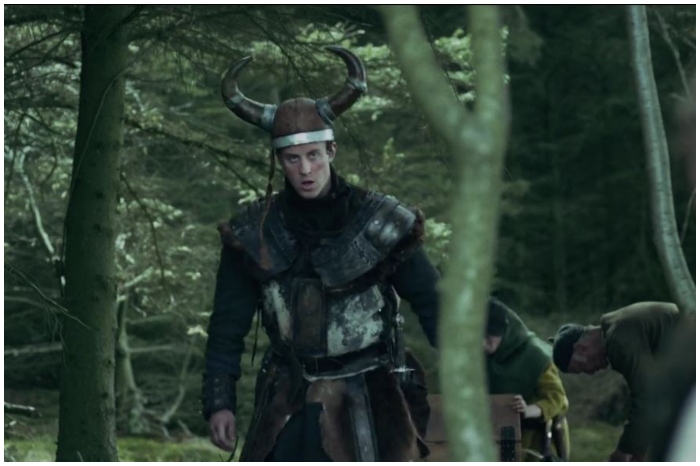
Despite no archaeological evidence supporting their existence, the horned helmet has become a symbol of the Vikings, highlighting how modern interpretations can shape our understanding of the past.
Viking Longships
Viking longships, renowned for their sleek design and efficiency, were marvels of ancient engineering capable of covering up to 125 miles daily. This impressive speed and agility allowed Vikings to venture far beyond their homelands, conducting raids and establishing trade routes across vast distances.
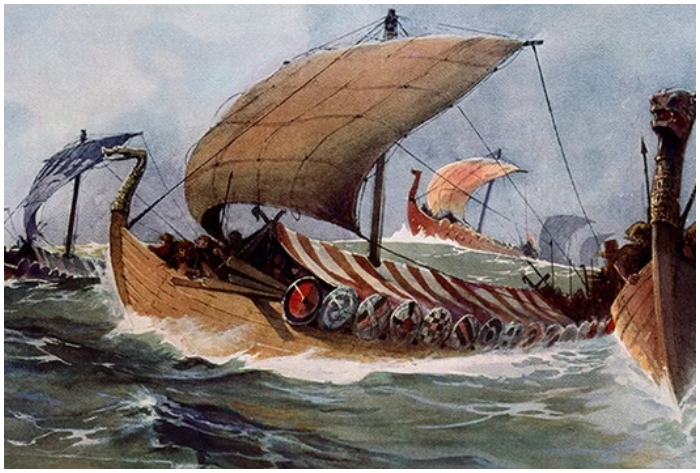
The longship’s design emphasizes the Vikings’ advanced understanding of shipbuilding and navigation, contributing to their reputation as formidable seafarers and explorers of the medieval world.
Viking Legacy in Modern Language
The impact of Vikings extends beyond their seafaring conquests, deeply influencing the English language. Words such as “give,” “take,” “sale,” and “egg,” along with “sister,” “husband,” “flat,” “ugly,” “lake,” “raise,” and “odd,” trace their origins back to the Norse language. Even “Thursday” derives from “Thor’s Day,” reflecting the enduring cultural and linguistic legacy of the Norse god Thor.
This linguistic influence highlights the extensive interactions between Vikings and the Anglo-Saxons, embedding Viking heritage within the very fabric of the English language and demonstrating the profound and lasting impact of Norse culture on modern society.
Viking Extortion Tactics
Vikings were not only fierce warriors but also skilled at leveraging threats for financial gain, engaging in what essentially amounted to medieval blackmail. This strategy involved demanding hefty tributes, such as silver, from countries like England and France to avoid raids. This practice, known as Danegeld in England, became a common Viking tactic, exploiting the fear and resources of European kingdoms.
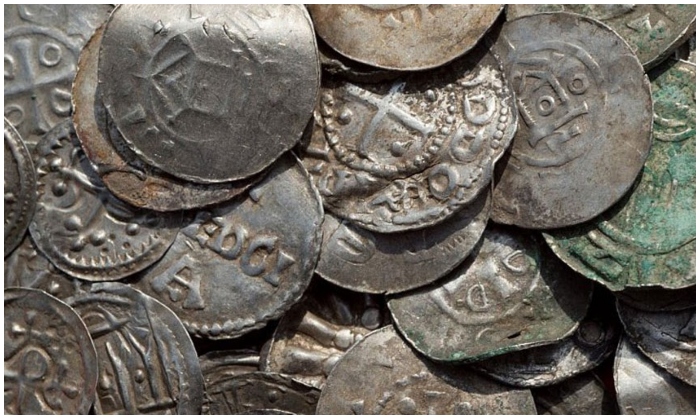
Unfortunately, acquiescing to these demands often invited further extortion, as Vikings would repeatedly return, knowing that these nations would pay to maintain peace. This cycle of tribute and threat underscores the Vikings’ cunning and opportunistic approach to warfare and diplomacy.
Vikings and Their Love for Skiing
Contrary to the common perception of Vikings as solely warriors and raiders, they also had a profound appreciation for skiing. This pastime was for recreation and a practical mode of transportation in the snowy Scandinavian landscapes.
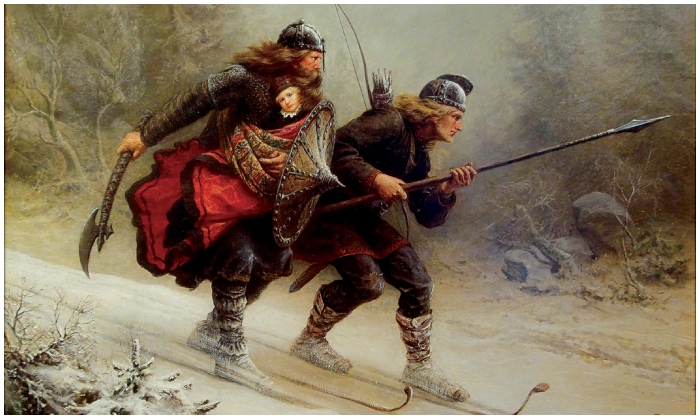
Their reverence for skiing is evidenced by the existence of Ullr, the god of skiing in Norse mythology, highlighting the cultural importance of this activity. Skiing held such significance that it was woven into their religious and social fabric, demonstrating the Vikings’ ability to harmonize their lifestyle with the harsh Nordic environment.
Viking Sacrifices
The Vikings’ religious practices often involved sacrifices to appease their pantheon of gods, with rituals that could become quite elaborate and bloody. These sacrifices, usually animals, were conducted during significant astronomical events, serving as offerings to ensure divine favor and natural balance.
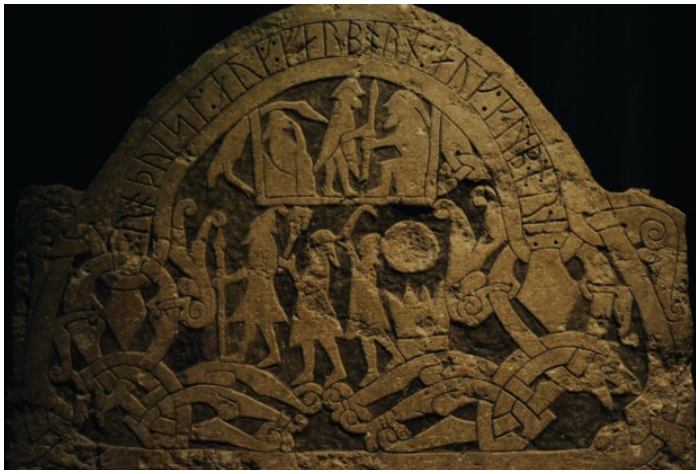
The ritual described in the saga of Haakon the Good, involving the spreading of animal blood on temple walls and the communal consumption of the sanctified meat, exemplifies the Vikings’ deep spiritual connection to their deities. These ceremonies were religious observances and vital social gatherings that reinforced community bonds and cultural identity.
Posthumous Defilement
The practice of brutalizing the bodies of enemies post-mortem by some Vikings was not just an act of violence but a calculated move for honor and psychological warfare. This behavior was driven by a belief that such acts would not only shame the fallen adversaries but also elevate the perpetrator’s status in the eyes of the gods and secure a place in Valhalla, the hall of the slain warriors.
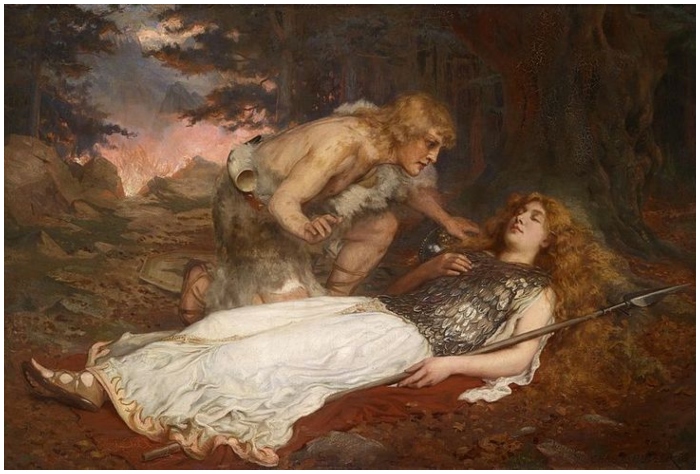
This gruesome tactic aimed to demonstrate dominance and might, ensuring that the Viking’s deeds would be remembered and revered, both among the living and in the afterlife, according to their belief system.
Erik the Red
Erik the Red, a notorious Viking explorer, is as famous for his discoveries as he is for his explosive nature, which often landed him in exile. His violent disputes, starting from a landslide caused by his servants that escalated into a deadly feud, highlight the harsh and retaliatory justice system of the time.
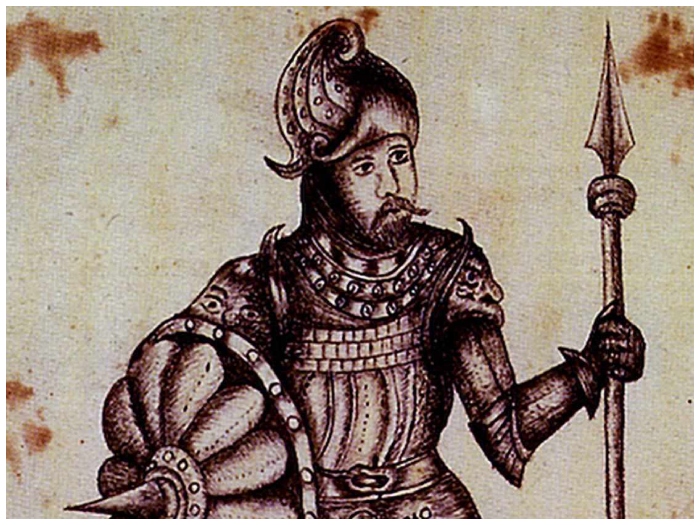
Erik’s eventual banishment led him to discover and settle in Greenland, demonstrating how exile, a common punishment in Viking society, could lead to significant exploration and establishing new settlements. Erik’s story reflects the complexities of Viking society, where violence, exploration, and resilience were intertwined.
Leif Erikson
Leif Erikson, son of Erik the Red, is credited with discovering North America nearly five centuries before Christopher Columbus. Around the year 1000, Erikson led an expedition that landed in what is now known as Newfoundland, establishing a settlement called Vinland. This remarkable achievement predates Columbus’s 1492 voyage, challenging the traditional narrative of discovering the Americas.
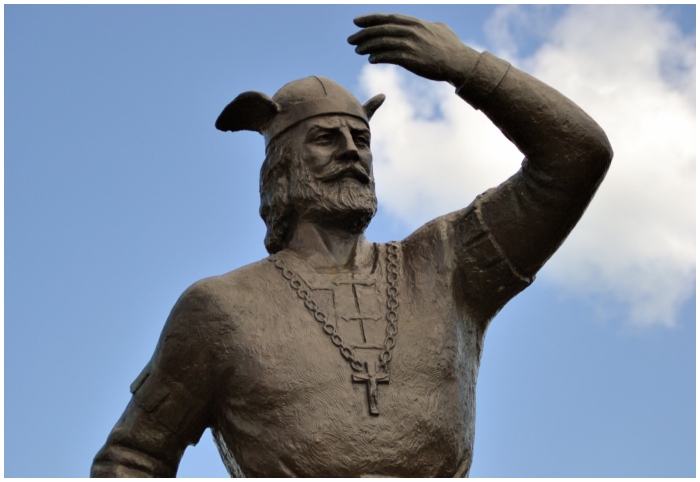
However, Erikson and his crew did not stay long in North America; they returned to Greenland after a few years. This early encounter between Europeans and the New World highlights the Vikings’ extensive exploration capabilities and their role in the history of transatlantic exploration.
The Blood Eagle
The blood eagle is one of the most debated and gruesome torture methods associated with Viking warriors. Descriptions of this ritual involve carving an eagle onto the victim’s back, breaking the ribs to resemble wings, and pulling the lungs out through the wounds, all while the victim was alive.
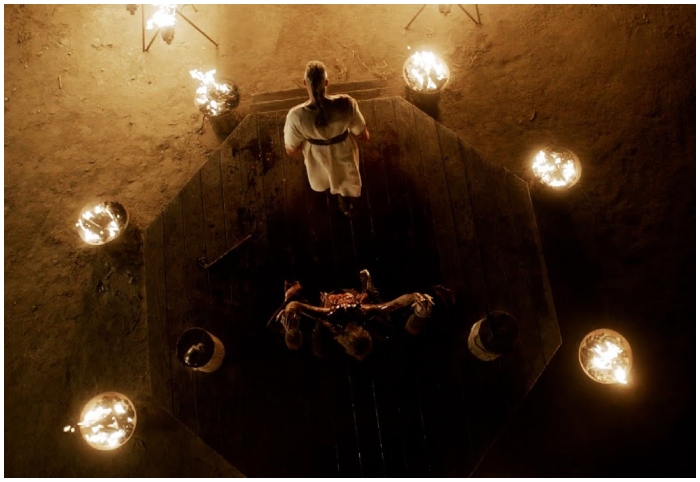
Historians debate the authenticity of this practice, with some questioning its historical accuracy and suggesting it may have been mythologized. If it did occur, it would represent one of the most brutal forms of Viking retribution, reflecting the era’s harsh and often violent justice system.
The End of the Viking Era
The death of Harald Hardrada in 1066 is often marked as a turning point that signaled the decline of the Viking Age. Hardrada’s defeat at the Battle of Stamford Bridge ended his conquests and coincided with the increasing Christianization of Scandinavia.
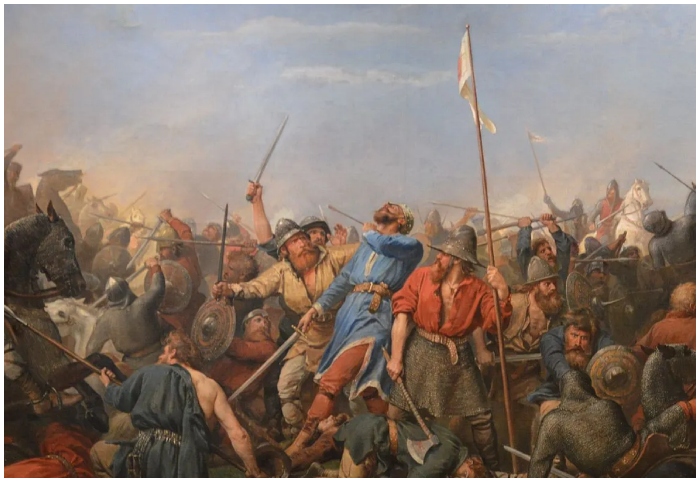
The spread of Christianity brought significant cultural and societal changes, including reducing raids and transitioning from a pagan society to one more aligned with the rest of Christian Europe. This shift profoundly affected Scandinavian society, marking the gradual end of the Viking era and the beginning of a new chapter in Nordic history.