Is your gardening style in need of improvement? Often, well-intentioned efforts to create a unique outdoor space result in questionable design choices. It’s common to see a range of garden trends that oscillate between wonderfully tasteful and, unfortunately, absurd. Many garden enthusiasts are swept up in the latest fads or overindulge in quirky decor.
Let’s delve into some of the most common garden design missteps. From the overly kitschy to the downright tacky, we will explore garden trends that might benefit from a thoughtful redesign, guiding you toward achieving a balance of creativity and elegance in your garden.
This article was originally published on avocadoposts.com and has been republished here with permission.
Fake Grass
In an era where biodiversity is threatened, particularly for vital pollinators, incorporating artificial grass into modern, eco-conscious gardens is a glaring misstep.
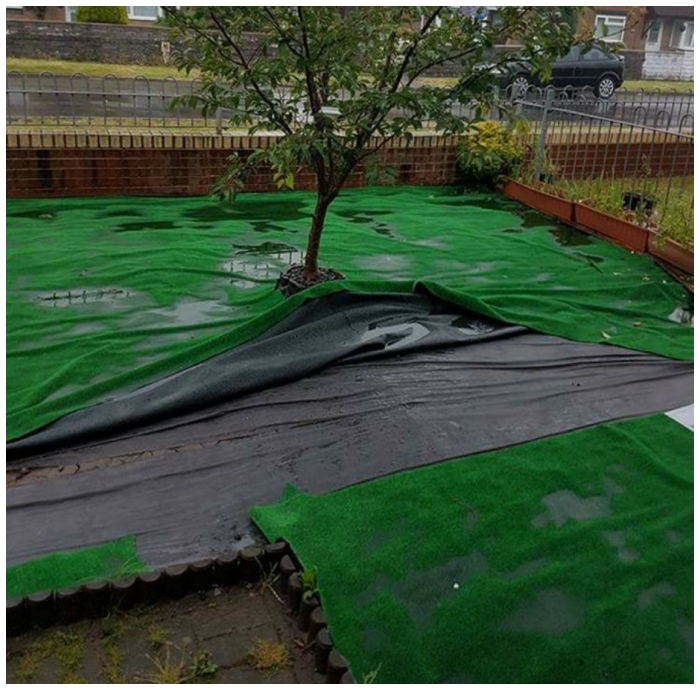
For those seeking low-maintenance alternatives to traditional lawns, consider creating a wildflower meadow. This option is simple to establish and nearly effortless to maintain. Still, it also significantly benefits bees, butterflies, and other wildlife, enriching your garden’s ecological value.
Orange-Stained Decking
Orange-stained decking can be likened to the gardening version of a fake tan: suitable in certain situations but frequently excessive. This doesn’t suggest that decks must always be blonde or painted white. Indeed, a deck in a warm wood tone can beautifully complement a naturally styled garden.

However, there’s a considerable distinction between a warm brown hue and an overtly orange tone. If you’re aiming for a warm effect, it’s advisable to invest in a high-quality decking stain and conduct a test on a small area first.
Garden Gnomes
Garden gnomes often spark a debate in garden design circles. On one hand, they are cherished by many for their whimsical charm and the personal joy they bring to a garden space. However, they tend to stick out awkwardly when integrating them into a sophisticated garden design. Their often vibrant and quirky appearance can disrupt the visual flow of a well-thought-out garden scheme.

For those who wish to add a decorative element to their garden, it’s advisable to consider statues made of natural materials. Stone statues are preferred for their timeless elegance, especially with an unpainted finish.
Too Much Landscaping
Opting for impermeable hard landscaping, like excessive paving or concrete, can significantly blight on garden aesthetics. Often intended for practicality, this approach severely hampers biodiversity and environmental health. Imagine a garden transformed into a lifeless expanse of stone or concrete – it’s a scene that screams neglect and an outdated sense of style.

These hard surfaces repel the natural interaction of soil and water, which is crucial for a thriving garden ecosystem. Instead of turning your garden into a bleak, stone-laden area, consider alternatives that blend practicality with nature, such as gravel paths mingled with vibrant plant life.
Traditional Lawn and Borders
The classic garden layout, featuring a central lawn surrounded by narrow borders, is a design that lacks imagination. While it’s true that most gardens are square or rectangular, this shape shouldn’t limit your creativity. The typical setup of a lawn flanked by flower beds might seem practical and low maintenance. Still, it often results in a monotonous and uninspired space.
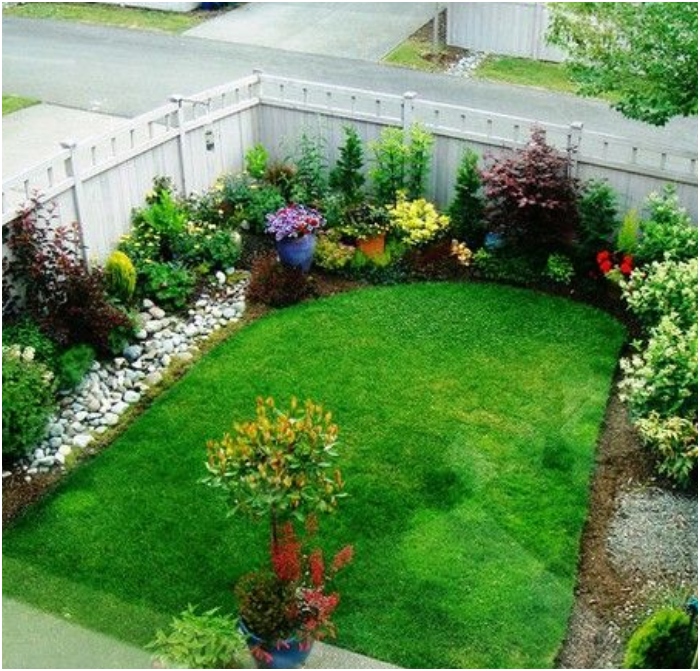
Instead of adhering to this conventional pattern, why not explore more dynamic and engaging designs? Consider ditching the open, flat lawn for something more adventurous. Creating intimate nooks and varied landscapes within your garden can transform it from a bland, uniform space into a captivating oasis. Replace the lawn entirely with a wildflower meadow for a truly bold move.
Buddha Statues
Incorporating a Buddha statue in a garden is often seen as a symbol of peace and harmony. While the idea may seem universally appealing, there’s an important cultural consideration to bear in mind. Placing a Buddha statue directly on the ground is generally frowned upon. This practice can be perceived as disrespectful, as it doesn’t honor the spiritual significance of the figure.

Elevating the Buddha statue is essential to creating a harmonious garden space that respects cultural sensitivities. This can be achieved by setting it on a pedestal, a rock, or a specially designed niche. Elevating the statue pays homage to its spiritual importance and adds an element of reverence to your garden.
Too much Accessories
Over-accessorizing a yard is a common design mistake that can detract from its natural beauty and functionality. While garden ornaments, lighting, and furniture can enhance the outdoor space, an excess of these elements can lead to a cluttered and overwhelming appearance. Too many decorations distract from the landscaping and make the space less usable for activities and relaxation. It can also create additional maintenance tasks and costs, as each accessory needs upkeep to prevent wear from weather exposure.

Moreover, a yard overloaded with accessories can seem uninviting, as it prioritizes aesthetics over comfort and practicality. Achieving balance is key; thoughtful selection and placement of accessories can complement the garden without overpowering it.
Recycled Tires As Plant Pots
On one hand, the environmental benefits of repurposing tires, which would otherwise end up in landfills, are clear. However, aesthetics play a significant role in garden design, and this is where recycled tire planters often fall short. While they may be practical and eco-friendly, their appearance can be somewhat jarring, especially if stacked in a prominent area like a front driveway.

Gardeners are encouraged to continue using recycled materials but with a thoughtful approach to their placement and appearance. Perhaps painting or integrating the tires into a more structured garden design can help mitigate their unsightly nature. This way, the garden maintains its environmental integrity without compromising on visual appeal.
Ivy
Creeping ivy can give homes a quaint, green look, but its invasive nature poses challenges, especially in semi-detached housing. Ivy’s rapid spread can unintentionally invade neighboring properties, creating disputes and leaving a tedious removal process.
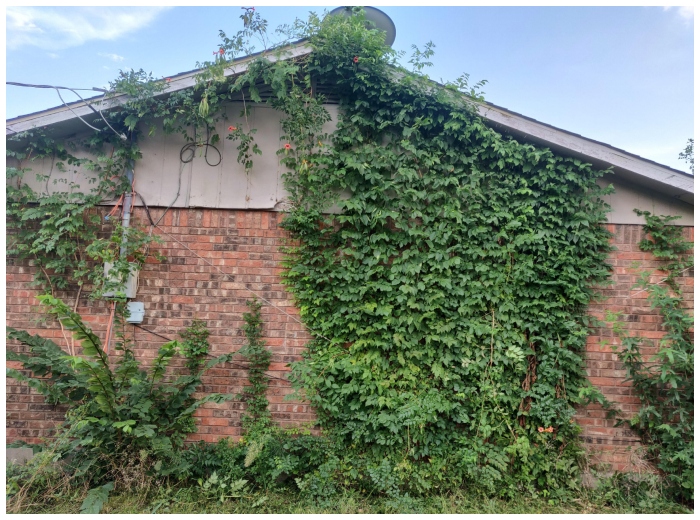
Homeowners who are fond of ivy should consider this impact and opt for regular trimming to manage growth. Alternatively, less invasive climbers or trellises could achieve a similar aesthetic without risking neighborly harmony. Remember, in garden design, the beauty of your space should not become a burden to others.
Wind Chimes
Wind chimes, once a niche gift, now often stir debate between being soothing or annoying. Their presence in gardens should be a mindful choice, considering both personal enjoyment and the potential disturbance to neighbors.

Opt for chimes with a softer, more ambient sound and place them thoughtfully, ensuring they complement rather than disrupt the garden’s tranquility. Remember, the right wind chimes can enhance the atmosphere, but they should never compromise the peace of your surroundings.
Hyacinth bulbs
Planting hyacinth bulbs in the yard without proper consideration can lead to several issues, marking it as a misstep in garden design. Hyacinths, while known for their vibrant colors and fragrant blooms, can be overly aggressive in some environments, out-competing native plants and altering the ecological balance. Additionally, these bulbs require well-drained soil to prevent rot, making them unsuitable for areas prone to waterlogging.
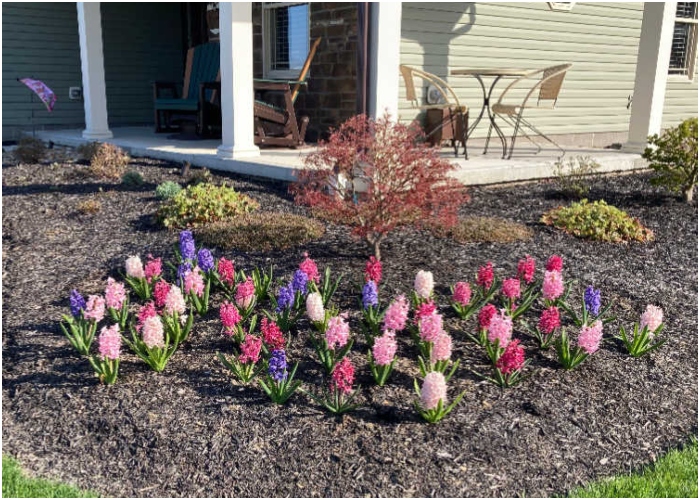
Although appealing to many, their strong fragrance can attract rodents and other wildlife, potentially leading to garden damage. Moreover, hyacinth bulbs contain toxic oxalic acid, which can cause skin irritation upon handling without gloves. Incorporating hyacinths without careful planning and management could lead to more headaches than horticultural harmony.
Trampolines
Trampolines in gardens strike a contentious balance between delight for children and dismay for design-conscious neighbors. These playful structures are invaluable for family fun and exercise but can clash with the aesthetic harmony of a neighborhood.

The key is finding a middle ground: consider discreet placement or integrating the trampoline with the garden’s landscape to minimize visual impact. While they may not align with traditional garden elegance, trampolines contribute substantially to active, joyful childhoods. In garden design, sometimes practical enjoyment takes precedence over pure aesthetics.
Plastic Garden Ornaments
Plastic garden ornaments, from colorful pirate ships to insect motifs, offer an initial appeal but quickly lose their luster. Exposed to harsh ultraviolet rays, these plastic pieces are prone to fading, cracking, and general wear. This diminishes their visual appeal and raises concerns about environmental sustainability.

Consider ornaments made of natural, durable materials like stone or treated metals for a more enduring and eco-friendly approach. These alternatives provide lasting beauty and withstand the elements far better than plastic, making them a wiser choice for aesthetically and environmentally garden decor.
Fake Animals
In vegetable gardens, fake animals like solemn owls or threatening eagles can be practical, deterring pesky birds like crows or blackbirds from damaging crops. These lifelike statues serve a functional purpose, preventing potential threats to your hard-earned produce. However, regarding garden aesthetics, avoiding less realistic and more kitschy options, such as pink flamingos is wise.

These can detract from a garden’s natural beauty and often stand out for the wrong reasons. Opting for more authentic-looking animal statues can blend utility with a natural elegance, maintaining your garden’s health and visual appeal.
Reusing Rock Mulch
Reusing rock mulch in yard design can lead to several unintended problems, making it a common mistake among homeowners looking to spruce up their outdoor spaces. While rock mulch offers a durable, low-maintenance option, it can also create a heat island effect, absorbing and radiating heat, harming plant roots and reducing the variety of plants that can thrive. Additionally, rocks can migrate into the soil, making future planting difficult and potentially damaging lawn equipment.
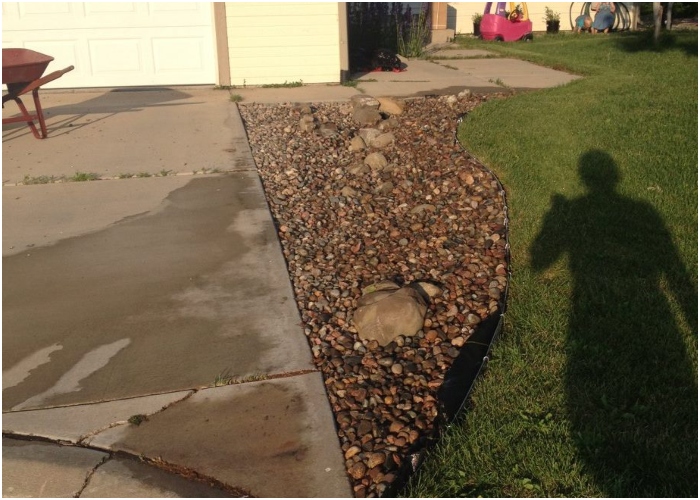
Over time, debris accumulates in the rocks, necessitating tedious cleaning to maintain appearance. Though initially appealing for its permanence and low upkeep, this approach often leads to increased labor and decreased plant health and diversity in the long term.
Chimineas
While chimeneas can add a touch of warmth and charm to outdoor spaces, their placement and usage in garden design can sometimes backfire, making them a less desirable feature. A common mistake is incorporating a chimenea in a garden without considering the space’s overall layout or the chimenea’s proportion to other elements. An oversized or awkwardly placed chimenea can dominate the landscape, disrupting the garden’s harmony.

Additionally, they can pose a risk without proper safety measures and consideration for local fire regulations. In some cases, the charm of a chimenea is overshadowed by practical concerns, leading to a less-than-ideal addition to garden aesthetics.
Patio Heaters
While offering warmth and extending outdoor enjoyment into cooler evenings, patio heaters can be a questionable choice in garden design. These heaters are often bulky and visually intrusive, clashing with the natural aesthetics of a garden. Their imposing size and often industrial appearance can disrupt the serene ambiance typically sought in garden spaces.

Moreover, environmental concerns surrounding their energy consumption and carbon footprint make them a less eco-friendly option. While they provide immediate comfort, the long-term environmental impact and the challenge of blending them seamlessly into garden decor often place patio heaters on the list of less favorable garden features.
Conifers
Conifers can create several issues when used excessively or improperly in garden design. These evergreen trees, known for their tall and narrow growth, can quickly overwhelm a garden space, especially in smaller yards. Their dense foliage and height can block natural light, impacting the growth of surrounding plants and the overall balance of the garden.

Additionally, conifers’ uniformity can lead to a monotonous and unvarnished landscape lacking in diversity and visual interest. While they offer year-round greenery and privacy, the key is to use them judiciously and in harmony with other plant varieties to avoid creating a garden that feels more like a dense forest than a welcoming outdoor space.
Sonic Animal Repellers
Sonic animal repellers, devices designed to keep unwanted wildlife away from gardens using high-frequency sound waves, are a controversial garden feature. While they can effectively deter pests, their impact extends beyond their intended purpose. These devices can create a constant, often inaudible to humans, but disturbing noise for animals, including pets and local wildlife.

This can disrupt the natural ecosystem and cause distress to animal inhabitants. Moreover, their effectiveness is debated, as some animals quickly adapt to the noise. Regarding garden design, these repellers offer no aesthetic value. They can be seen as a less considerate solution to managing garden pests, affecting the environment and neighborhood harmony.
Crazy Paving
Crazy paving, characterized by irregularly shaped paving stones in a haphazard, mosaic-like pattern, often ranks among questionable garden design choices. While it aims to provide a unique and artistic touch, it can easily tip into visual chaos if not executed with care. The lack of uniformity and often clashing colors and textures can make gardens look disjointed and cluttered.

This style, popular in past decades, can appear dated and out of sync with more modern, minimalist garden designs. Instead of enhancing outdoor spaces, crazy paving can overwhelm them, detracting from the natural beauty and cohesiveness of the garden’s overall look.
Artificial Topiary Balls
While low-maintenance and evergreen, artificial topiary balls are often considered a misstep in garden design. These synthetic representations of carefully sculpted plants can look unnatural and out of place in a garden’s organic setting.

Their artificial appearance is usually quite apparent, clashing with the authentic beauty of living plants. Furthermore, unlike natural plants that support biodiversity, they contribute nothing to the garden’s ecosystem. While the appeal of no upkeep is understandable, artificial topiary balls can cheapen the look of a garden, making it feel more like a sterile, artificial environment than a vibrant living space.
Over Pruning Flowering Shrubs
Over-pruning flowering shrubs is a standard error in garden maintenance that can drastically affect the aesthetics and health of the garden. Excessive pruning stunts these plants’ natural growth and flowering potential, leading to a sparse, unnatural appearance.

Instead of enhancing the shape and size of the shrubs, over-pruning can strip them of their natural beauty and vitality, leaving them vulnerable to disease and growth issues. A more measured approach, understanding the specific pruning needs of each shrub variety, can ensure that they flourish and contribute fully to the garden’s visual appeal and ecological balance.
Hot Tubs
While hot tubs are often seen as a symbol of luxury and relaxation, their integration into garden designs can be problematic. These bulky structures can disrupt a garden’s natural flow and aesthetic, often standing out as an unnatural and imposing element. Additionally, hot tub maintenance and energy requirements raise environmental concerns, clashing with the growing trend of sustainable gardening.

For those seeking relaxation in their garden, alternatives like a natural pond or a small, tranquil seating area might offer a more harmonious and environmentally friendly solution, blending seamlessly with the serene atmosphere of a garden.
Colorful Garden Lighting
Implementing colorful garden lighting can be a tricky endeavor. While it aims to add vibrancy and character to outdoor spaces, it often becomes garish and overwhelming. Subtlety is key in garden design, and excessively bright or multicolored lights can detract from the garden’s natural beauty, especially at night.

Instead, soft, warm lighting can enhance the garden’s features without overpowering them. This approach maintains the garden’s natural charm and serenity, ensuring that the lighting complements rather than dominates the overall aesthetic of the outdoor space.
Fire Pit
Incorporating a fire pit into a garden design has gained popularity. Still, it doesn’t always align with the essence of a tranquil garden space. While inviting and cozy, fire pits can disrupt a garden’s natural ecosystem. The smoke and heat they emit may harm nearby plant life and disturb local wildlife. Additionally, they often become the dominating feature, detracting from the garden’s natural beauty.

A more harmonious alternative could be a minor, eco-friendly water feature or a bird bath, which adds to the garden’s allure while supporting the local fauna, maintaining the garden’s role as a haven for both people and nature.
Outdoor Beanbags
Outdoor beanbags, designed for comfort and casual seating in garden spaces, present a dichotomy. While they offer a relaxed and inviting element, they can also contribute to a cluttered and unkempt appearance. These oversized, informal seating options often clash with the structured beauty of a well-maintained garden.

Their materials and colors may not withstand the elements gracefully, leading to faded and worn appearances that detract from the garden’s aesthetics. For a more cohesive look, consider selecting garden furniture that balances comfort with elegance, such as sleek benches or classic wooden chairs, which can enhance the garden’s ambiance without compromising its overall appearance.
Mismatched Planting Styles
Combining multiple planting styles in a single garden can be confusing and aesthetically jarring. It’s like trying to blend the untamed beauty of a cottage garden with the rigid structure of a formal garden and the exotic flair of a tropical paradise. This mix can create a lack of coherence, leaving the garden without a clear identity.

Instead of a harmonious blend, the result is often a chaotic clash of elements that compete for attention. A more effective approach is to choose one primary style and complement it with subtle touches from others, ensuring the garden feels purposeful and elegantly composed rather than a haphazard collection of mismatched ideas.
Tacky Color Schemes
Gardens suffering from tacky color schemes are often a result of impulsive or uninformed choices in decorations and furniture. Bright, clashing colors can create a visually jarring and unsettling environment, detracting from the natural beauty and tranquility typically associated with gardens. Instead of being a place of retreat and relaxation, these gardens can feel chaotic and overstimulating.
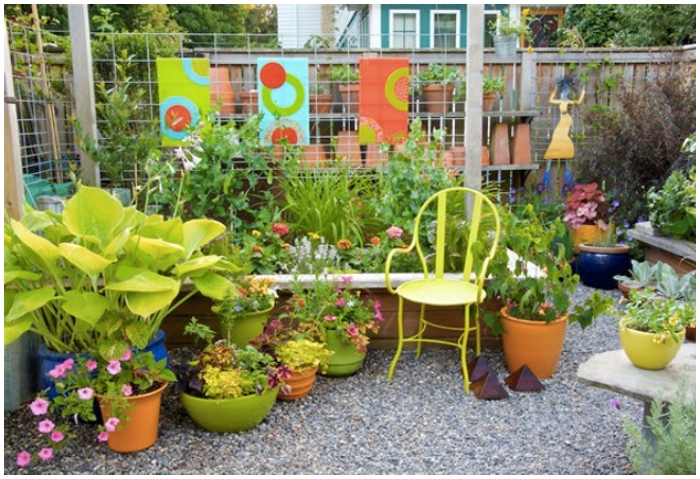
The key to a pleasing garden color scheme is to complement, not compete with, nature’s palette. Opting for earthy tones, subtle hues, or a monochromatic scheme with pops of color can enhance the natural surroundings, creating a serene and aesthetically pleasing outdoor space.
Inappropriate Water Features
Incorporating inappropriate water features into a garden can create several issues, disrupting the space’s harmony. Oversized or overly complex water features in a modest garden can dominate the scenery, overwhelming the natural elements. Besides the visual imbalance, these features can also be impractical, requiring extensive maintenance and potentially disrupting local wildlife and eco-balance.

Water features not in scale or style with the garden’s overall design can appear out of place and detract from its beauty. A more thoughtful approach is to select proportionate water features that blend seamlessly with the garden’s aesthetic and create a tranquil, rather than overpowering, atmosphere.
Pub in a Shed
Transforming a garden shed into a pub has become a trendy concept. Still, it can significantly compromise the tranquility and purpose of a garden space. While it offers a unique entertainment area, this setup can clash with the peaceful and natural ambiance typically associated with gardens.

The noise and activity associated with a pub-like atmosphere can disrupt the serene environment, making it less inviting for quiet enjoyment or wildlife. Moreover, the conversion often involves extensive modifications that might not blend well with the garden’s aesthetic. A garden is ideally a retreat into nature; introducing elements like a pub can detract from this essence, turning it into a social hub rather than a serene escape.
Pretend Bicycle Planters
The use of pretend bicycle planters in garden design is a trend that often tips into the realm of kitsch. While aiming to add a quirky, vintage charm, these planters can instead create a sense of clutter and artificiality in an otherwise natural setting. Gardens thrive on a balance of natural beauty and thoughtful design. Still, the introduction of such gimmicky elements can disrupt this harmony.

These planters, often too whimsical and out of context, can detract from the garden’s authentic beauty. A more subtle and integrated approach to garden accessories is recommended, focusing on items that enhance rather than overshadow the natural appeal of the garden.
Decorative Crates
Introducing decorative crates into garden design can sometimes result in a misplaced rustic element that disrupts the aesthetic flow. These crates, often intended to add a vintage or country charm, can appear out of place, especially in more modern or formal garden settings. While they can be helpful for storage or as planters, overuse or inappropriate placement can give the garden a disorganized, haphazard look.

The key to incorporating such elements lies in moderation and context. They should complement the garden’s overall theme and be strategically placed to enhance, not detract from, the garden’s natural beauty and structure.
Fairy Gardens
Fairy gardens, while enchanting in concept, can often tip the scale from whimsical to overwhelming when not executed with subtlety. These miniature landscapes, filled with tiny accessories and fantastical elements, aim to create a magical space. However, they can clutter a garden and detract from its natural beauty if overdone.

The key to successfully incorporating a fairy garden is ensuring it complements rather than dominates it. It should be a minor, integrated feature that adds a touch of wonder without becoming a visual distraction. Overly elaborate fairy gardens can also require high maintenance and become impractical in changing weather conditions. Moderation and thoughtful placement are essential to maintain the garden’s harmony and charm.
Painted Succulents
The trend of painted succulents in garden design is a misguided attempt to enhance natural beauty with artificial means. While the vibrant colors might initially attract attention, Painting succulents mask their natural beauty.

They can harm the plant’s health by blocking sunlight and air from reaching its tissues. Furthermore, as the paint wears off, it can leave the plants looking unsightly and unnatural. A garden should celebrate the inherent beauty of plants in their natural state.
Exotic Plants
Incorporating exotic plants into a garden can present a significant challenge to the overall cohesion and balance of the space. While exotic plants can be intriguing and offer a unique aesthetic, they often require specific care and conditions that may not align with the local climate or the needs of surrounding native plants.

Their distinct appearance can also clash with the garden’s existing flora, creating a visual mismatch. There’s also the environmental consideration: exotic plants can become invasive, threatening local ecosystems. When choosing plants, it’s crucial to consider how they will integrate into the existing garden environment, both aesthetically and ecologically.
Mirrors in the Garden
Using mirrors in garden design is a concept that can easily veer into the territory of poor taste. While the intention might be to create an illusion of space or to reflect light, mirrors can appear out of place and unnatural in a garden setting. They disrupt the organic flow and aesthetic of the garden, often standing out as stark, unharmonious elements.

Also, mirrors can harm birds and wildlife, causing confusion and potential injury. In a garden, where the focus should be on enhancing natural beauty and creating a serene environment, the inclusion of mirrors can detract from these objectives, resulting in a space that feels contrived and less inviting.
Glow-in-the-Dark Elements
Incorporating glow-in-the-dark elements into a garden can significantly disrupt its natural nighttime ambiance. While these features might seem enchanting or futuristic, they often clash with the subtle beauty of a garden at night. Gardens are spaces where the natural rhythms of day and night should be respected and celebrated.

Glow-in-the-dark stones, ornaments, or paint can create an artificial, theme park-like atmosphere, detracting from the serene and organic experience of being in a garden after dusk. Instead of enhancing the beauty of a garden, these elements can overpower the gentle, natural transition from day to night, making the space feel less like a natural retreat and more like an artificial entertainment zone.
Mismatched Garden Furniture
Incorporating mismatched garden furniture can create a dissonant visual impact in an otherwise harmonious garden setting. This approach, often due to impromptu additions or disregarding a cohesive design theme, can lead to a cluttered and uncoordinated appearance. Chairs, tables, and loungers of varying styles, materials, and colors can clash, disrupting the aesthetic flow of the space.

Instead of a relaxing retreat, the garden may resemble a chaotic, hastily assembled yard sale. For a more elegant and inviting garden, selecting furniture pieces that complement each other and the overall garden design is essential. This unified approach enhances the garden’s natural beauty and creates a tranquil, cohesive outdoor living area.