If you’ve seen any of the films in the Jurassic Park franchise, then you know that bringing back extinct animals has been something scientists have been obsessed with for years. There are a lot of animals that have gone extinct over the centuries, not just dinosaurs. Some of these animals have gone extinct due to humans, and others due to natural phenomena.
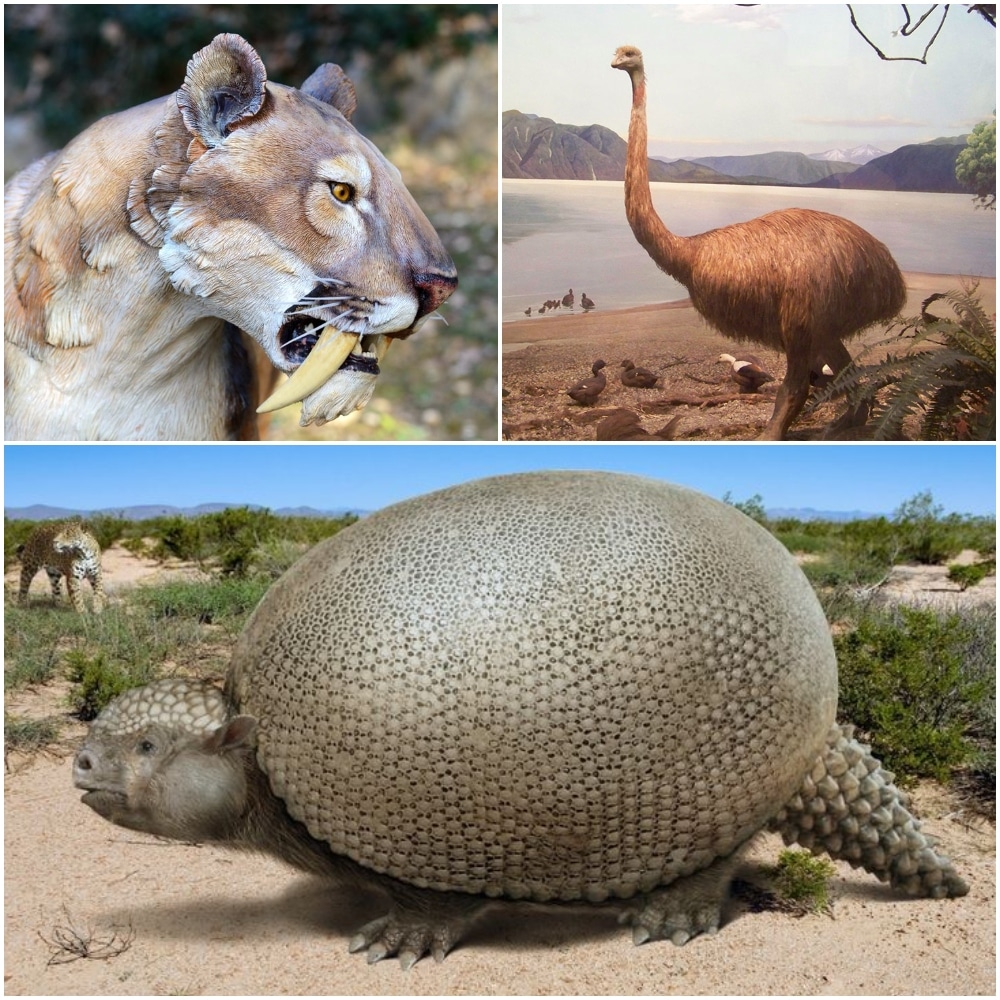
Scientific processes are created each year, that bring scientists closer and closer to bringing certain species back to life. Some of these involve cloning, while others involve growing genomes, and so much more. If you’ve been wondering about what species might be making a comeback, then continue scrolling. You will be amazed to see what scientists are working on. Some of these animals have been extinct for well over 2,000 years, which means their genetic makeup or DNA has to be extracted from fossils. It’s simply astounding what is possible, but let’s not try and create our very own Jurassic World. Carnivorous dinosaurs should stay in the past, where they belong.
Pyrenean Ibex
The Pyrenean Ibex went extinct only 21 years ago, and this was largely due to the fact that its environment was no longer as habitable as it once was. Spanish scientists from the Center for Agro-Nutrition Research and Technology have made it their mission to bring this unique species back to the region.
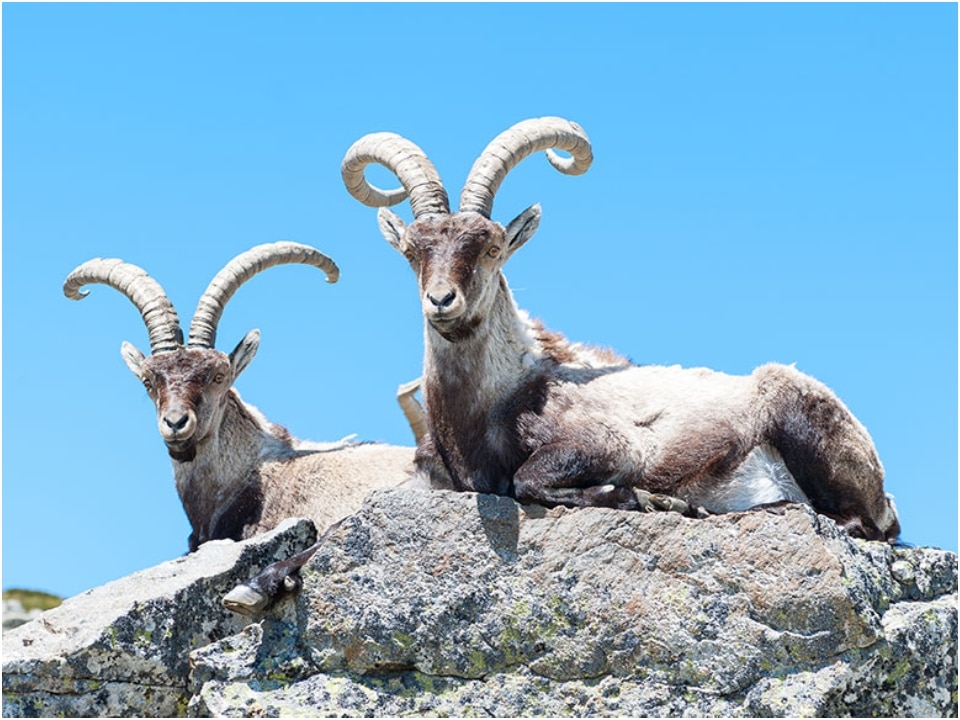
Thus, they have embarked on a $6 million project to attempt to create an embryo from the only Pyrenean Ibex still alive in captivity. So far, they have managed to breed a kid, but it did not manage to survive. Scientists are hopeful that they will still be successful in their efforts.
Woolly Rhinoceros
The Woolly Rhinoceros was once native to the area that now comprises Russia. It would roam the plains, and munch on grass amongst the other animals that were alive 4,000 years ago. While the woolly rhino no longer exists, Russian scientists from Northern-Eastern Federal University have begun to experiment with different scientific methods that may create a viable embryo.
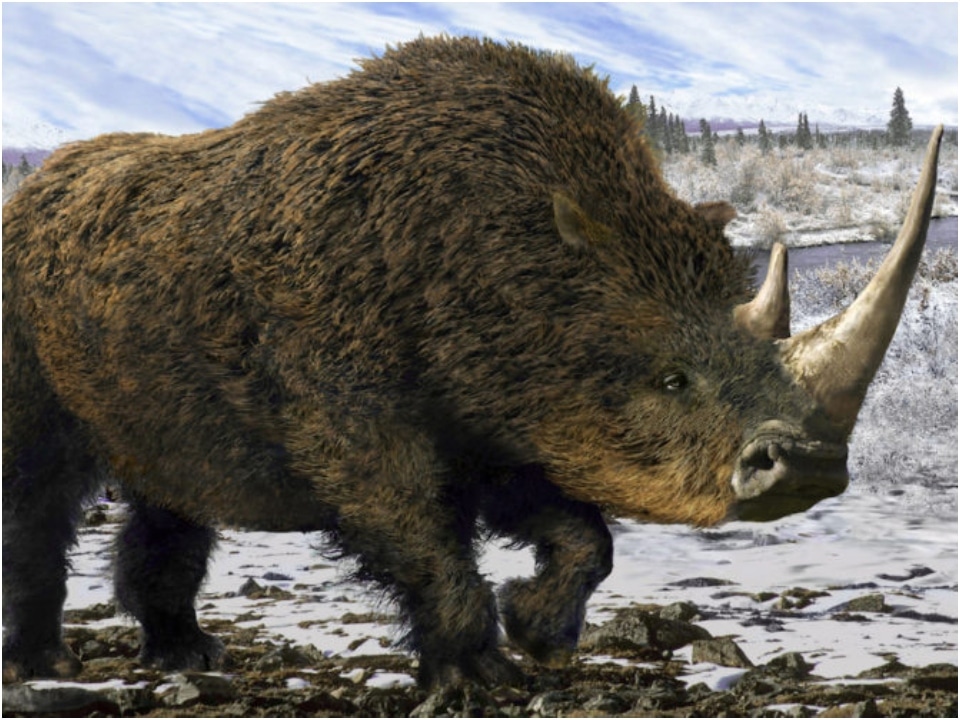
The belief is that if they can bring back a rhino, they may be able to bring back other animals like the cave lion. This research is not cheap though, and the program currently has $4.5 million worth of funding.
Quagga
The Quagga has not been extinct for that long. It was found in Southern Africa in the 1800s, but was prized for its skin. That saw it hunted into extinction during the colonial era, and by the end of the 19th century there were none left. At Cape Town University, researchers have begun to experiment with creating a crossbreed between a quagga and a zebra.
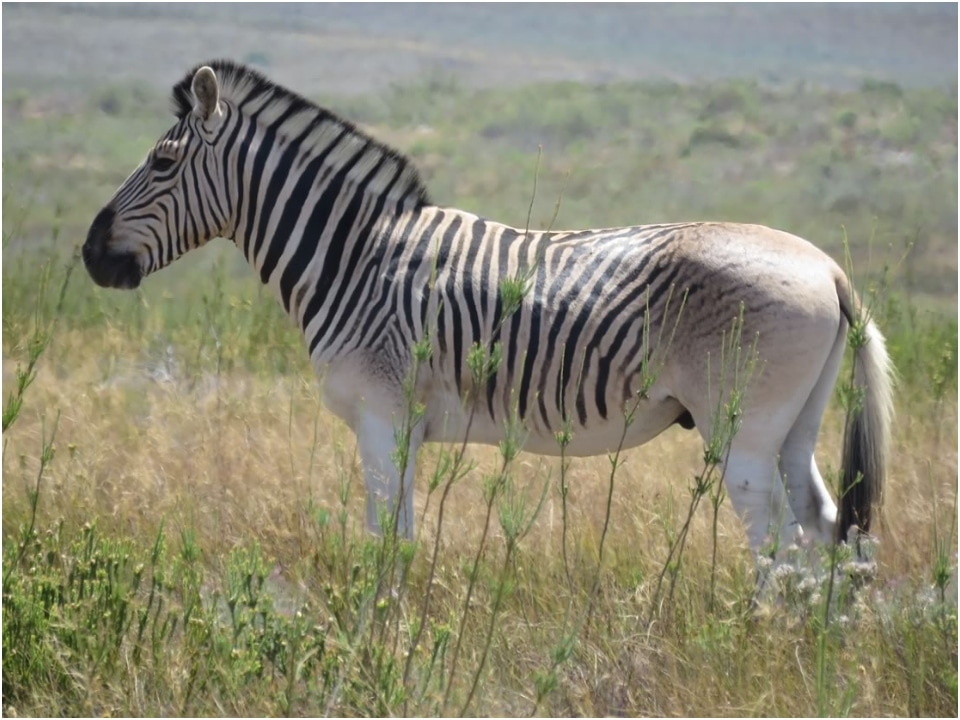
That is essentially what the quagga was. While the team has yet to produce a quagga, they do have around $1 to 8 million worth of funding, which means they should have enough cash to produce something. The hide of deceased quaggas is what is being used to grab DNA.
Great Auk
Another species that has not been extinct for very long is the Great Auk. This bird faded out of existence in 1850, but a genetic research company called Revive and Restore has since tried to bring it back. The great auk has an ancestor called the razor-billed auk which is still in existence today.
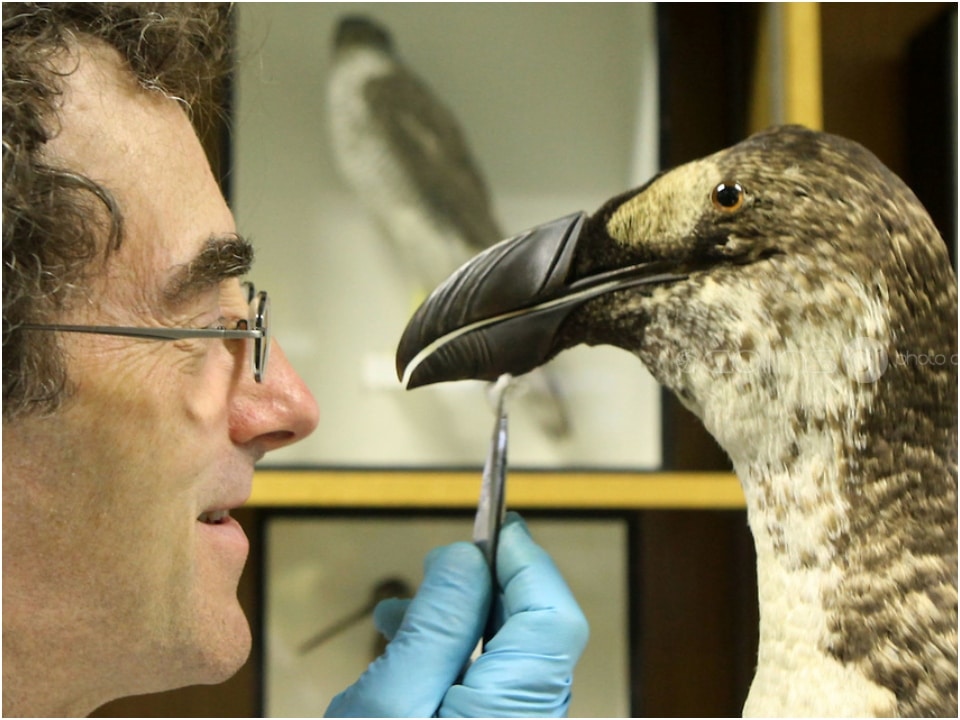
The hope is that the company will be able to take a portion of the razor-billed DNA and change it into the DNA of its predecessor. This has not been a cheap undertaking, and the company has shelled out $2 million in its attempt to bring the species back to life.
The Moa
The Moa is a very close ancestor to a lot of the bird-like dinosaurs seen in Jurassic Park. It reportedly went extinct in 1420, and researchers at Harvard University have now taken a keen interest in it.
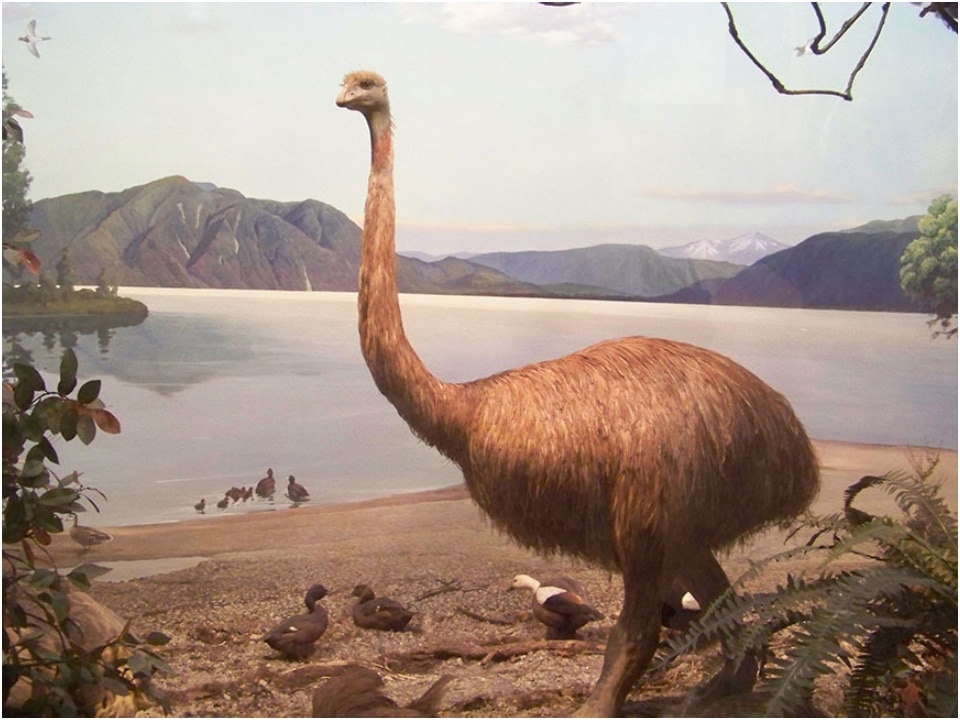
They are in possession of a moa’s toe, which allowed them to use a genome from it. While there is no moa walking the labs of the university, the researchers are hopeful that the $1 million they have been awarded will allow them to make this interest a reality.
Labrador Duck
The Labrador Duck is an interesting case. The bird species went extinct in the 1870s, but nobody knows why. Due to this researchers have decided to try and bring back this species, but there is as yet no funding for the project.
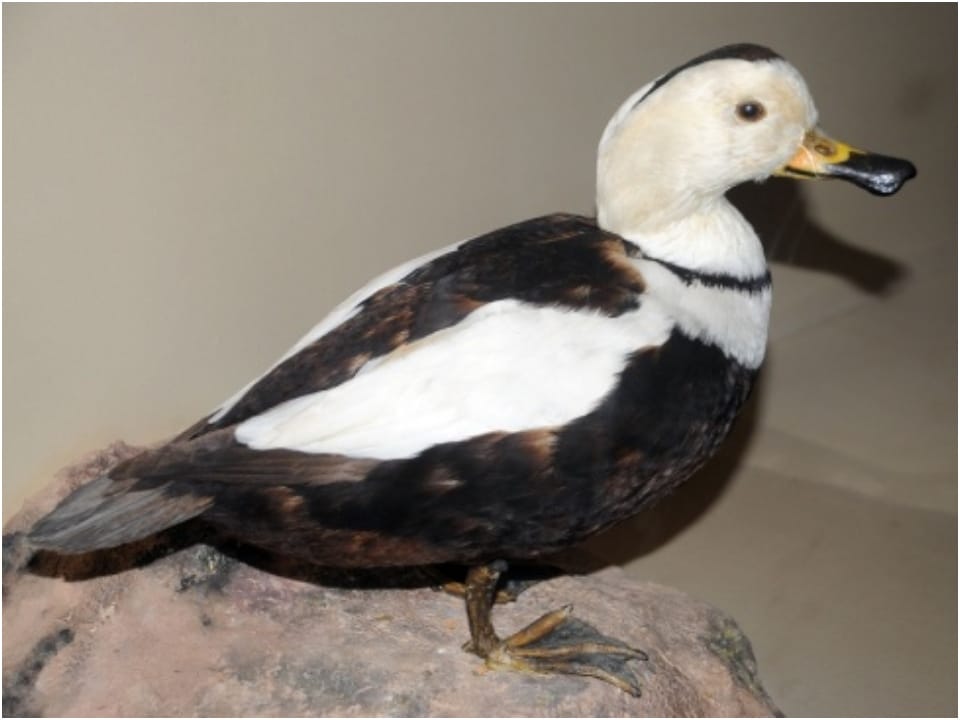
These birds are native to North America, which makes it likely that the research will be performed at one of the universities in the region. Hopefully, we start to see these little ducks floating around on ponds in the next few years.
Gastric-Brooding Frog
Bringing back an extinct frog species might not seem that important, but the Gastric-Brooding Frog is a real anomaly. Instead of laying eggs, the frog gestates the eggs inside of its stomach, and when it’s time for them to be born, they crawl out of the frog’s mouth.
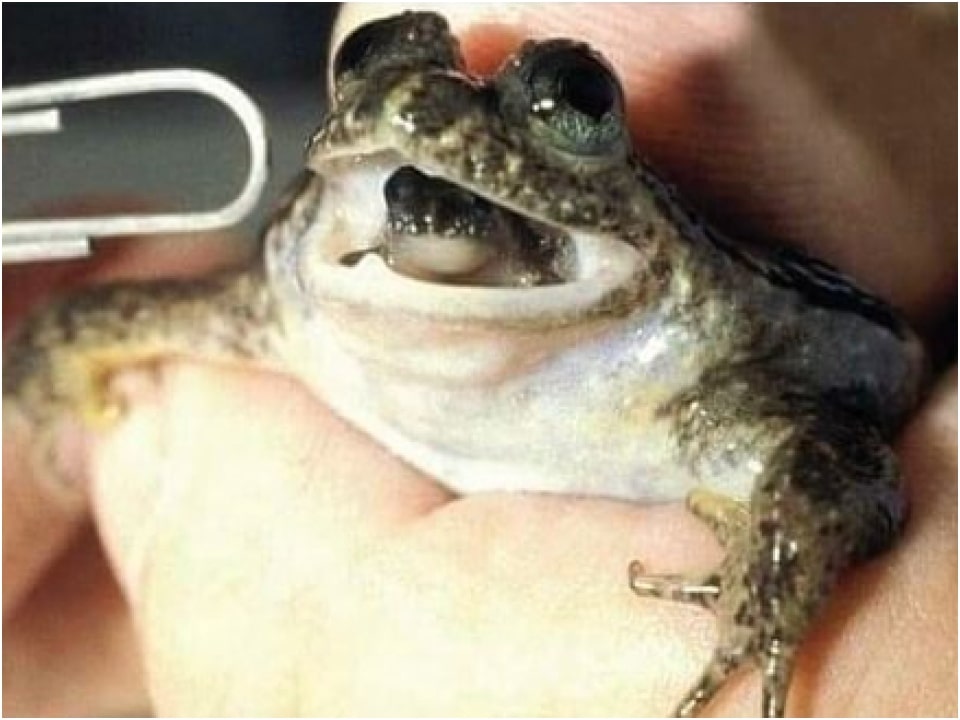
They have been extinct since the 1980s, but scientists at the University of New South Wales in Australia believe they can bring them back with enough funding. They have already created an embryo.
Aurochs
Aurochs were the precursor to the modern day cow. It was normal for farmers to own aurochs, and farm the land with them up until 1627. Since then, they have been extinct but researchers are hopeful they can bring them back.
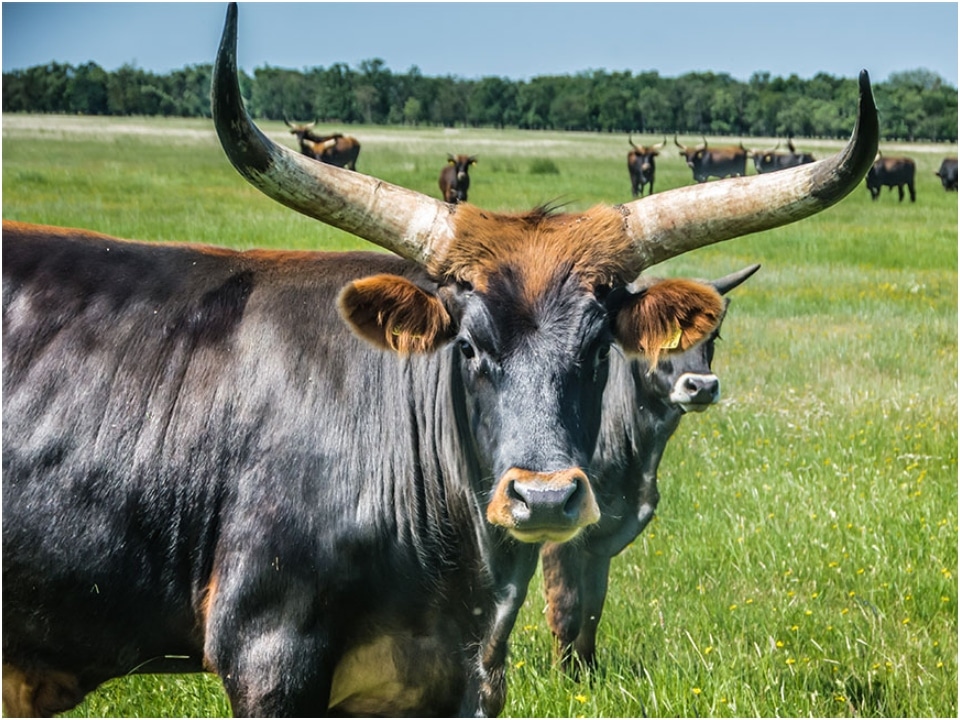
At present, $8 million worth of private funding has been provided to a group of scientists not affiliated with an institution. It’s possible they may have already been successful but not published the research yet.
Caspian Tiger
The Caspian Tiger was once native to Asia, and weighed a whopping 300 pounds. However, it became extinct in 1970 due to hunting and no longer having access to the same habitat.
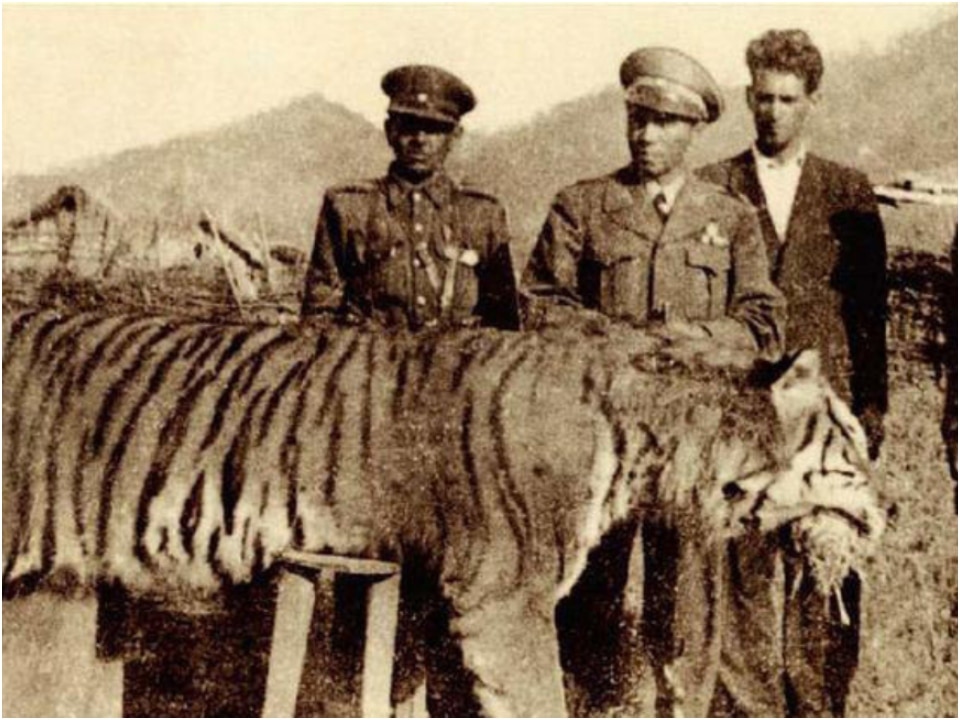
Thus, researchers have decided to try and bring it back. Cambridge University in England has dedicated $60,000 to this project. So far, they have been able to map the tiger’s genome, and there is hope for a rebirth of the caspian tiger.
The Yangtze River Dolphin
While it is sad to hear about all of the animals that have gone extinct, it’s sadder to hear about the ones that have gone extinct more recently. The Yangtze River Dolphin is one of these, having only gone extinct in 2007.
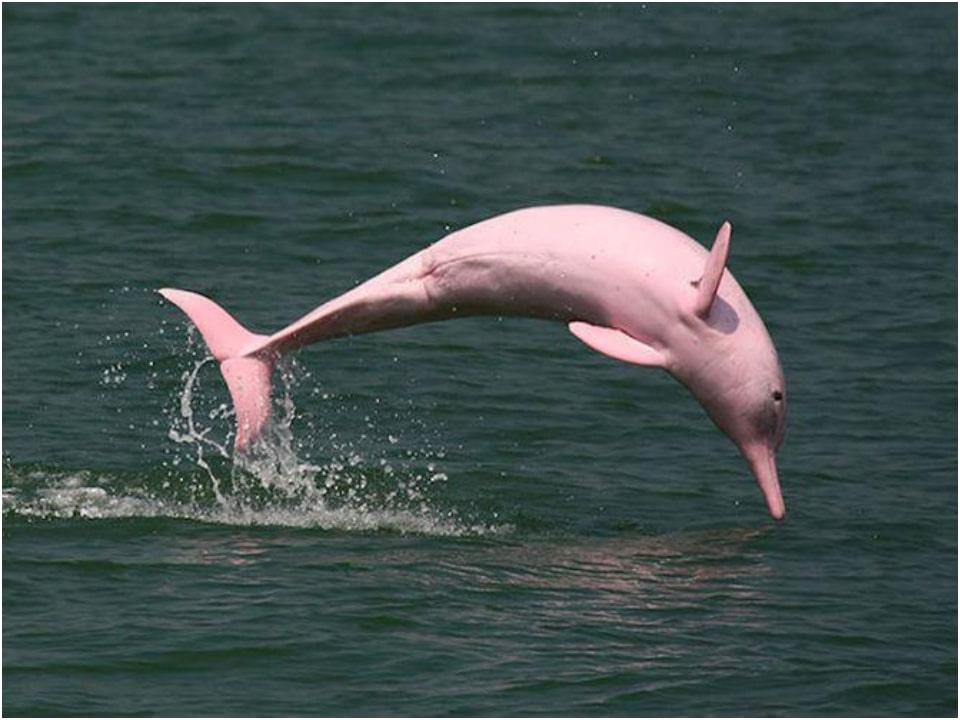
Scientists believe that it went extinct due to poor water conditions, and over fishing in the region. There is a campaign to work on bringing the species back, because it had managed to live for 20 million years until recently.
Caribbean Monk Seal
Sailors used to believe they were seeing sirens, when they spotted a seal swimming through the water next to ships. Caribbean Monk seals used to be very plentiful in the Caribbean, but since 1952 they no longer exist.
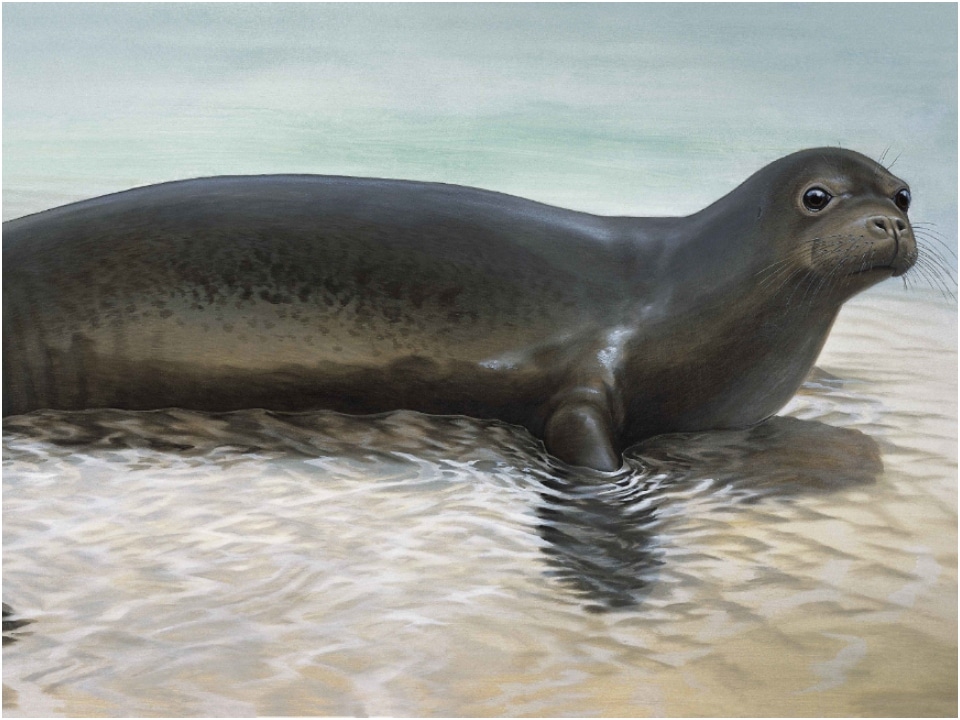
They do share DNA with Hawaiian monk seals, which means it might be possible to resurrect them. This would require millions of dollars, and a dedicated research team. At present, teams are bidding for funds for this project.
Toolache Wallaby
Toolache wallabies used to freely roam around Southern Australia until the 1920s. They enjoyed swamplands, rather than the dry plains most wallabies are found on now. However, they have since gone extinct, although there are rumors some might have managed to make it in the wild.
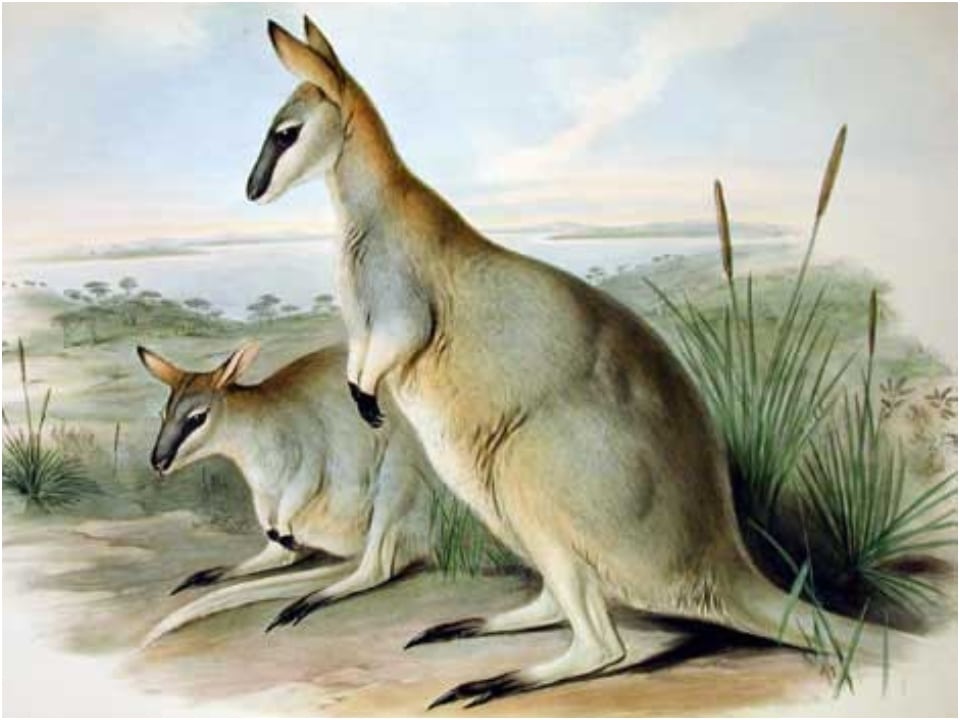
The International Union for the Conservation of Nature is hoping to find one of these wallabies, and clone it to increase the population size. They have $3,000 for this mission.
Caribbean Ground Sloths
While regular sloths still exist, the Caribbean Ground sloth has been extinct since 2660 B.C. That is a very long time, and these sloths were not like the little guys we know and love today.
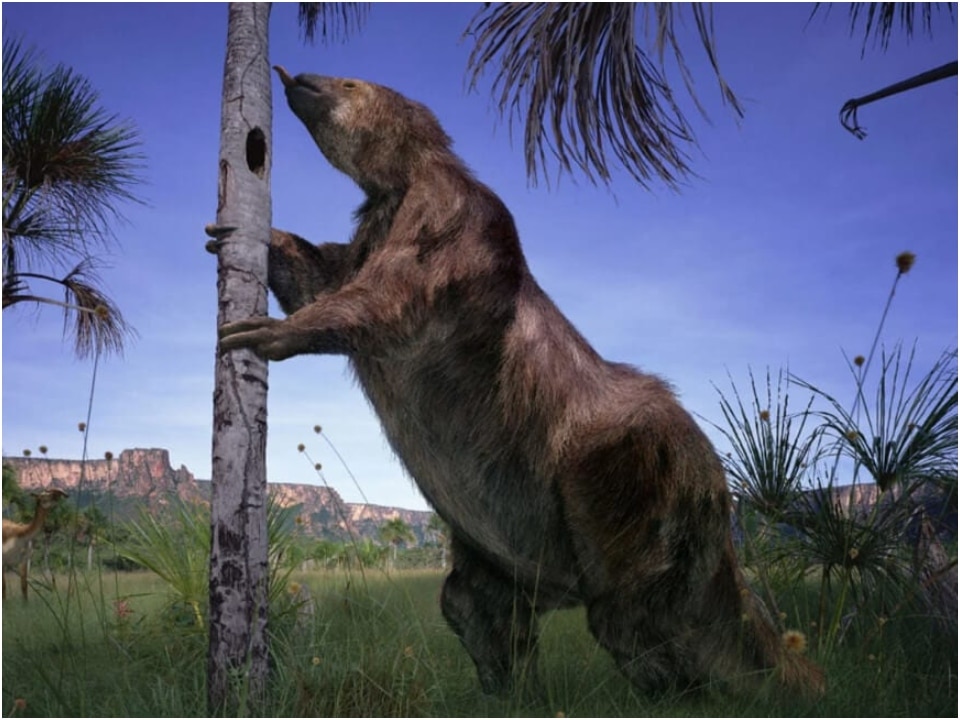
These sloths were huge, and weighed around 200 pounds. The BREAS Project has secured $2 million worth of funding so far, and is in the process of conducting research in tar pits, to see if there are any sources of DNA.
Cordoba Fighting Dog
Not all dogs are bred to be family pets. The Cordoba Fighting dog was first bred in Argentina to participate in dog fights, and any other activities that required a dog to be aggressive.

The breed was not popular, and eventually it became extinct. Now, dog breeders are in the process of trying to bring the breed back as it is a valuable breed with historical origins. They have a budget of $5,000 to $10,000 for this.
Hispaniola Monkey
The Hispaniola monkey was largely forgotten until 2009, when a diver happened across a strange fossil. Scientists studied it, and found that it belonged to a species that had gone extinct in the 1500s.
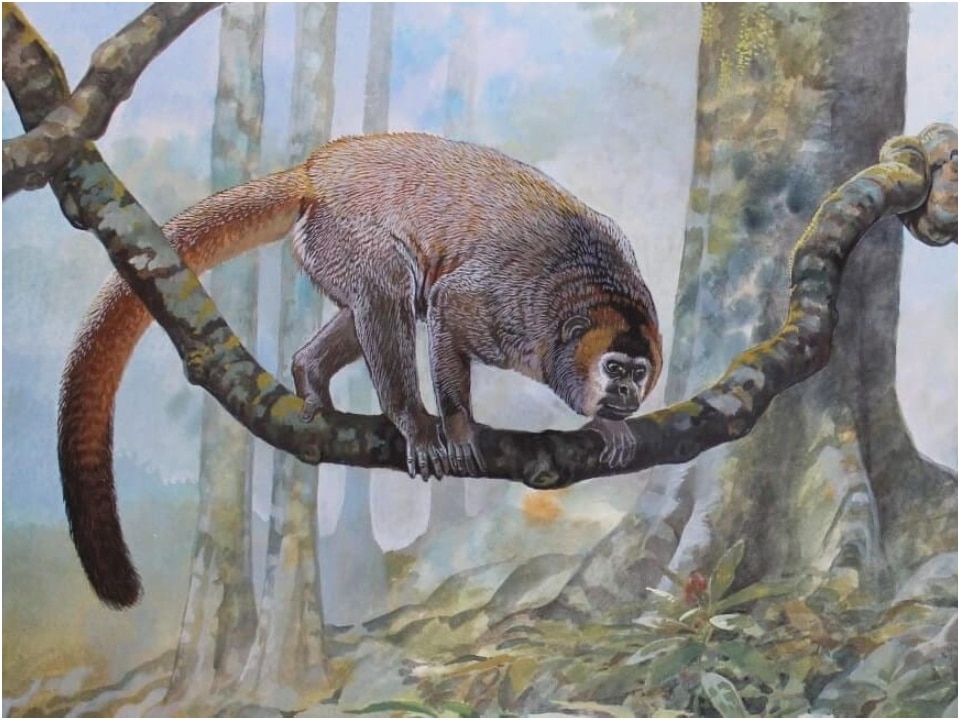
Researchers at Duke University have dedicated themselves to finding living ancestors of the species, to better understand how they might bring it back to life. They have a relatively modest budget of $15,000 for the project.
St. Vincent Colilargo
The case of the St. Vincent Colilargo is a bit of an odd one. It belongs to the rodent family and is a species of rat, but nobody knows for sure if it is extinct. Fossils have been found, and there have been no recent sightings.

IUCN and Harvard University have embarked on a fact finding mission, and are currently surveying St. Vincent island to see if the rat is still living there. It’s believed that it may have gone extinct because of the Asian mongoose hunting it.
Atlantic Gray Whale
The world thought that the Atlantic Gray whale had gone extinct, but miraculously or thanks to nature, it has not. Recently, there have been sightings of the breed in Israel and Namibia, which means the whale has been migrating.

The Graduate Center at New York University has taken it upon themselves to find more of the species, and confirm its existence. They have $25,000 allocated to finding the elusive gray whale.
Bluebuck
The Bluebuck was a graceful blue-ish tinged antelope which once graced the plains of South Africa. It went extinct in 1800, but scientists believe that its DNA can help current antelope species.
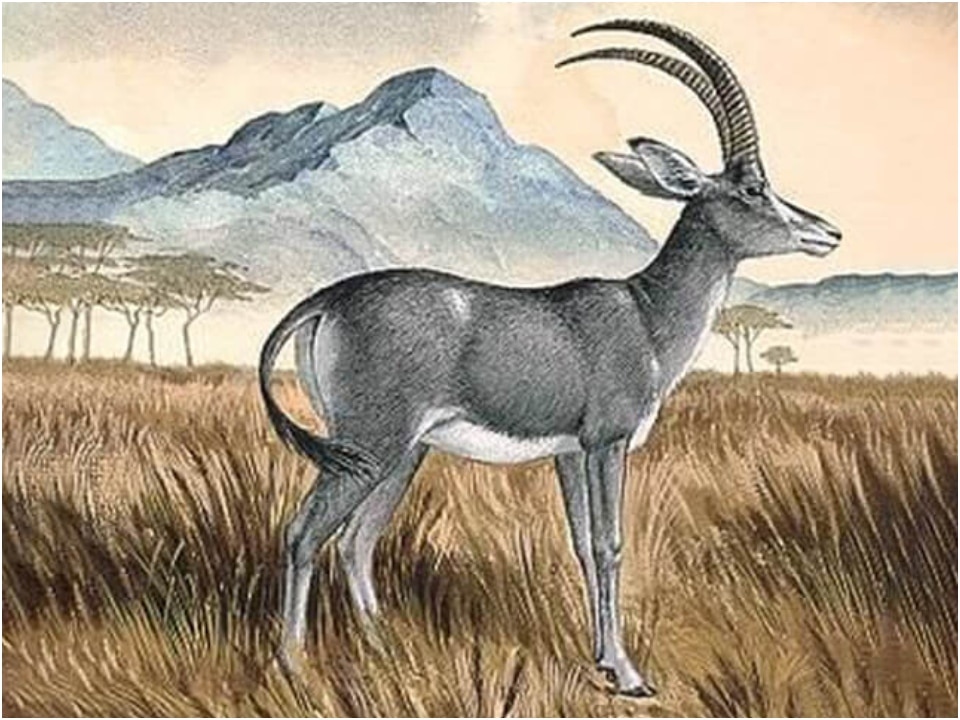
Climate change is real, and the antelope species in Africa need to begin adapting to it. Museum für Naturkunde Berlin has dedicated a portion of its $787 million budget to reconstructing the species. They also want to know exactly what caused the extinction of the species.
Molossus
Lots of dogs are prized, but in Greece, no dog is as prized as the Molossus. This is an ancient breed that Alexander the Great would always have by his side. As so few of these dogs exist, and there is debate if they are direct ancestors, it is unlikely you will find one of these in another country.
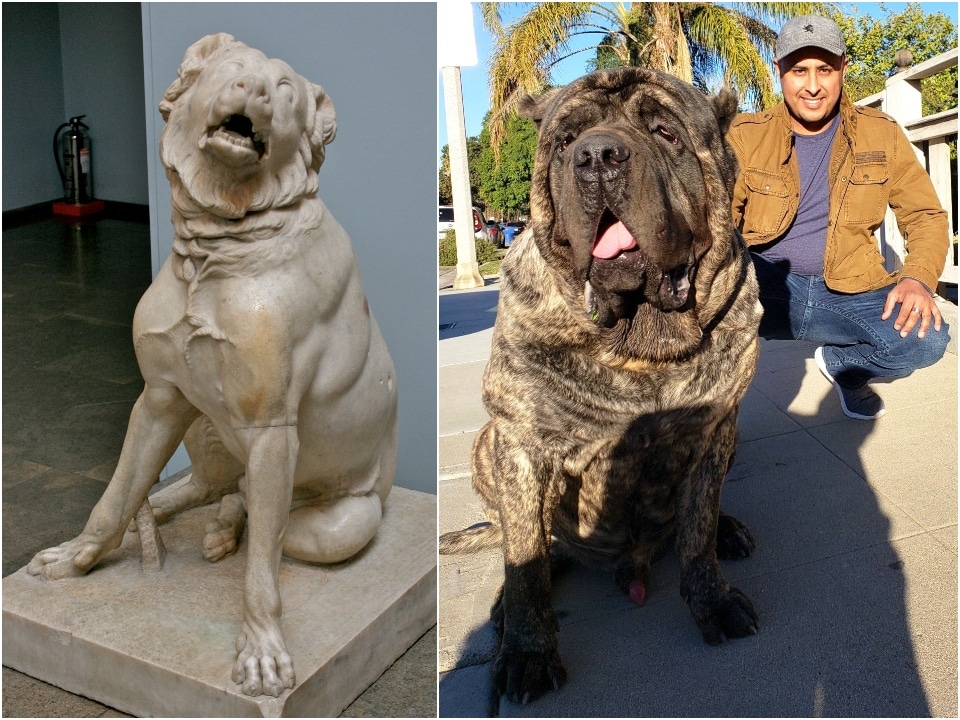
The Molossus of Epirus Rescue Organization continues to breed the war dog, and has done so since 2006.
The Japanese Sea Lion is yet another species that was unfortunately hunted into extinction. Found in the Sea of Japan, these sea lions were known for resting on beaches and leading peaceful lives.
[sc name="default_top_ad" ]
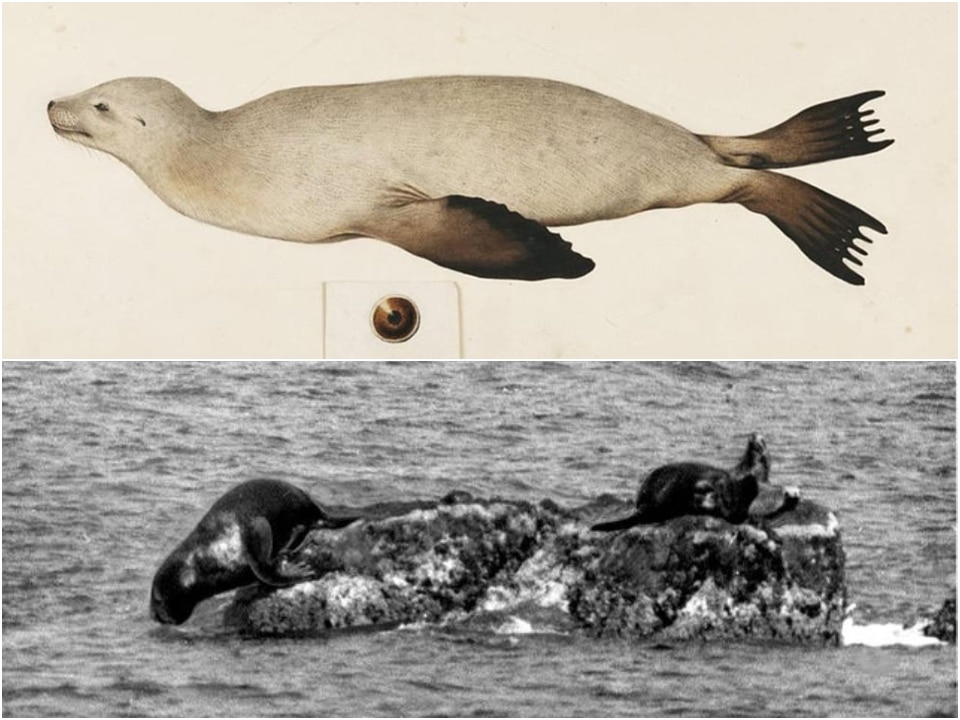
South Korea, Japan, and China hunted them which is how they became extinct in the 1970s. Now, the governments have banned together, along with Russia and dedicated $2.4 million to reviving the breed through existing genetic material.
[sc name="default_lower_ad"]
[post_page_title] California Grizzly Bear
California once had a specific Grizzly bear that was native to the region. The breed was last seen roaming around in 1924, but there have been discussions that it might have quietly continued to breed naturally.
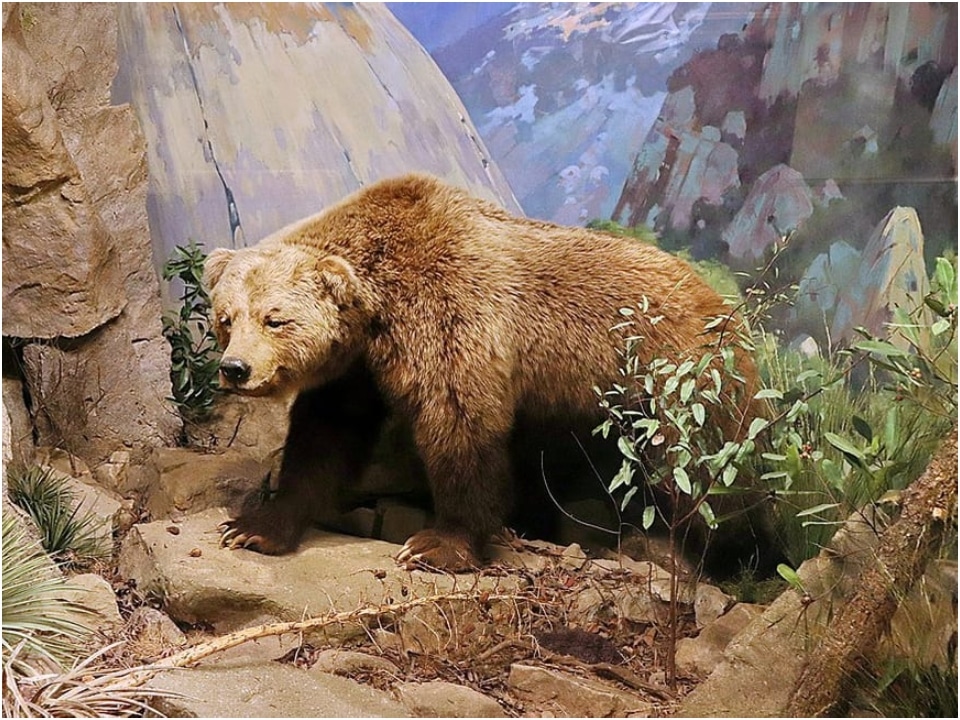
Now, the California Grizzly Research Network has secured funding to try and bring the species back. The process involves using the genetic materials of existing breeds, and some of the remains left in museums.
Short-Faced Bear
Most bear breeds are known for their long snouts, which they use to sniff out honey and fresh berries. The Short-Faced bear had a much shorter snout, and was known to roam around North America 11,000 years ago.
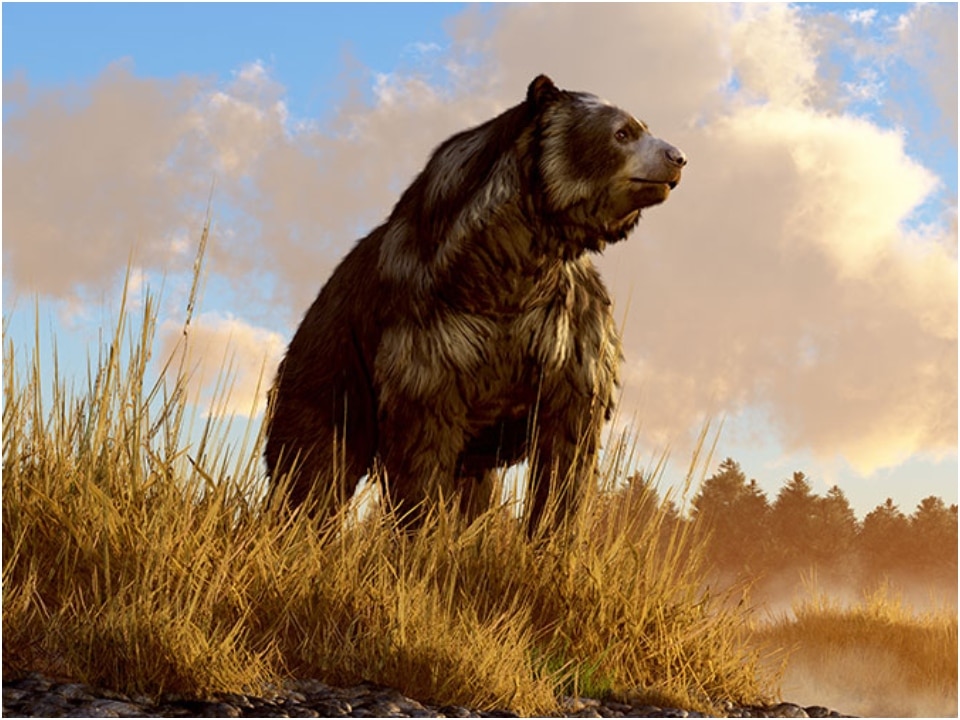
The bear itself was massive compared to present day ones, and researchers have long been fascinated by it. At present there is no research underway to clone the bear, and bring it back.
Heath Hen
The Heath Hen used to have no problems breeding in the Eastern states of America. However, in 1932 the breed began to die out rapidly. This could have been from an avian illness.
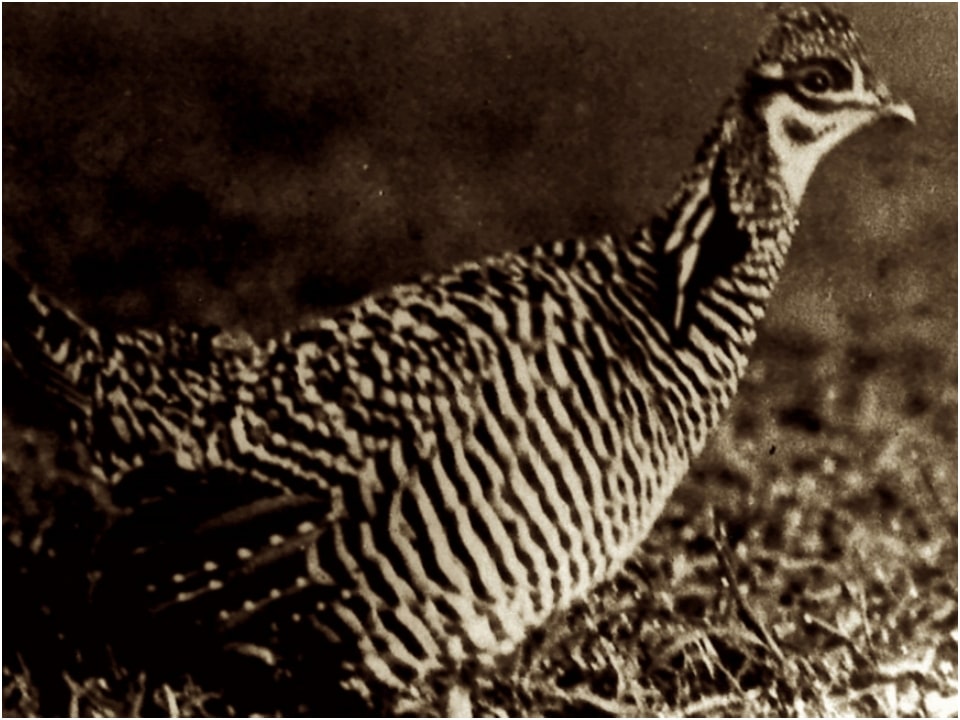
Now, Revive & Restore, in partnership with Texas A&M University have begun to research this once popular bird. They have a massive budget of about $6 million, which means they should be able to recreate it.
Cuban Macaw
Some scientists like to focus on animals that have a unique history behind them, while others simply want to bring back something beautiful that was lost. The Cuban Macaw was revered for its feathers, which is why it was hunted and kept as a pet.
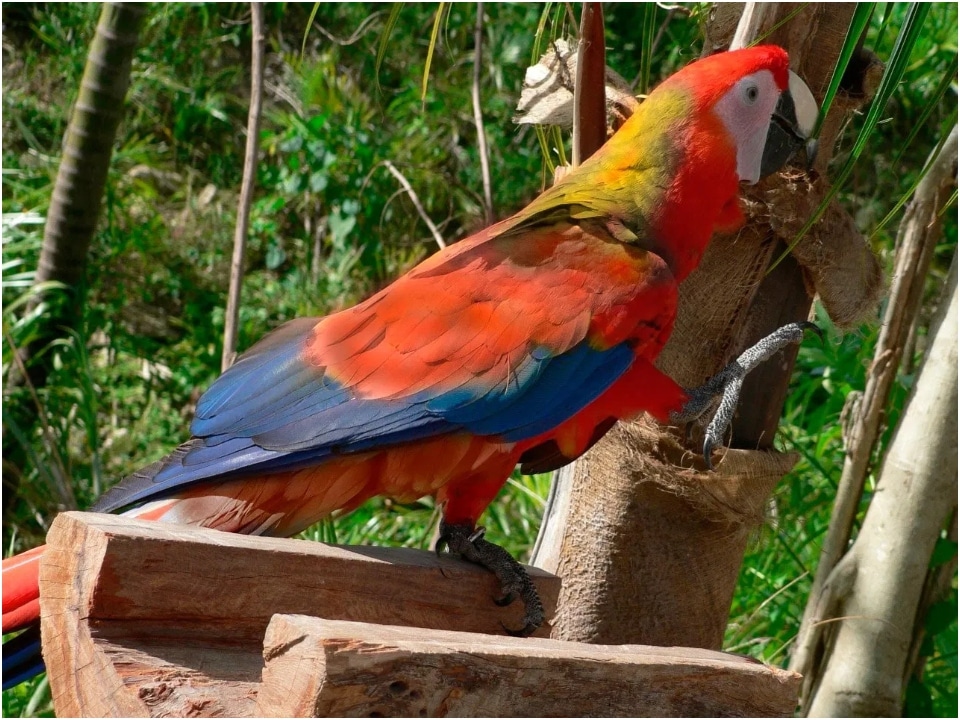
As of the 1800s, it has ceased to exist, and scientists want to bring it back. Millions of dollars have been dedicated to future research, and some organizations are bidding for it.
Woolly Mammoth
The ancient Woolly Mammoth was one of the biggest creatures to roam the earth during the 4,000 years ago. Scientists have been fortunate to find well-preserved mammoths in Siberia, which has given them access to its DNA.
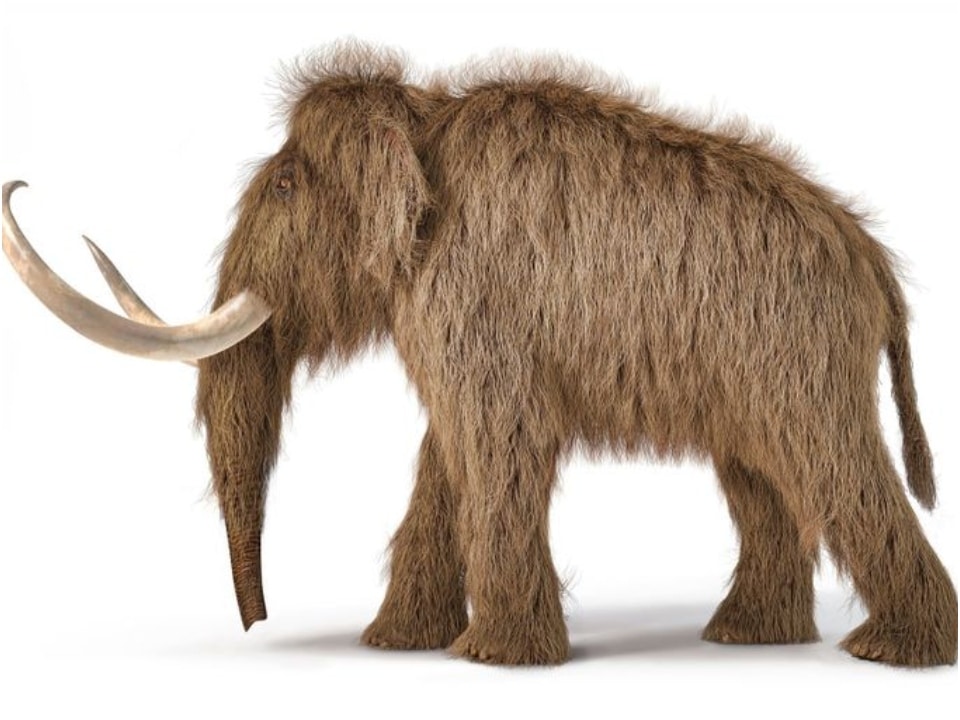
In the future, funds might be provided for the resurrection of one of these beasts. At present, nothing has been allocated.
Elephant Bird
Native to Madagascar, the Elephant bird roamed the area in 1200 CE. These birds weighed around 1,600 pounds, and were over 9 feet tall. Researchers have been interested in the bird for awhile, especially because it is similar to the kiwi bird, and other large flightless ones.
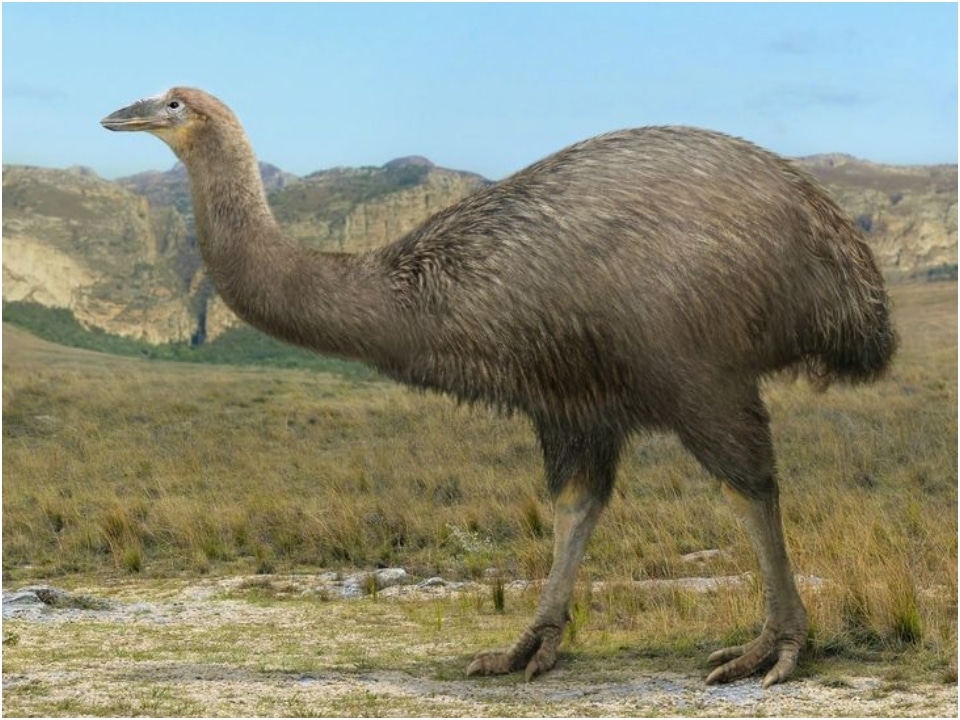
However, funding is still pending. It would be exciting to see one of these guys wandering around again.
Glyptodont
The Glyptodont is one of the closest animals to a dinosaur on this list. They roamed the earth 7,000 years ago, and have not been seen since. Most of them were about 12 feet in length, and almost 2 feet high.
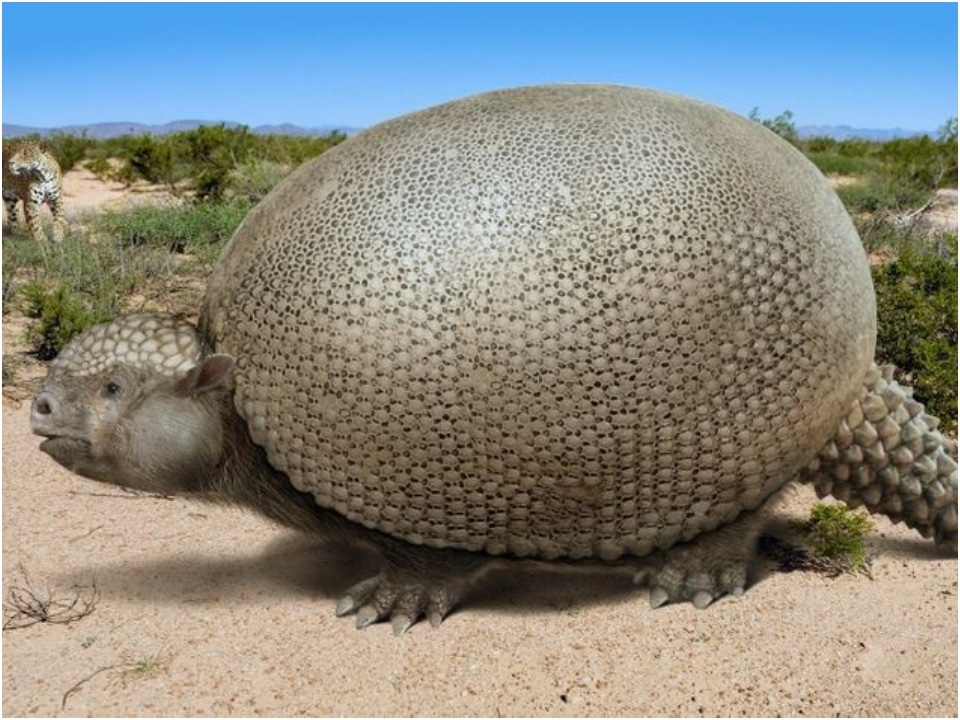
If you want to see one of their relatives, take a look at the armadillo. These little guys are the closest to a living glyptodont, but are much smaller.
Dodo
The Dodo used to be found in the island nation Mauritius. This is off the coast of Africa, and is known for its tropical climate. The Dodo was all over the island up until the 1600s, when it went extinct.
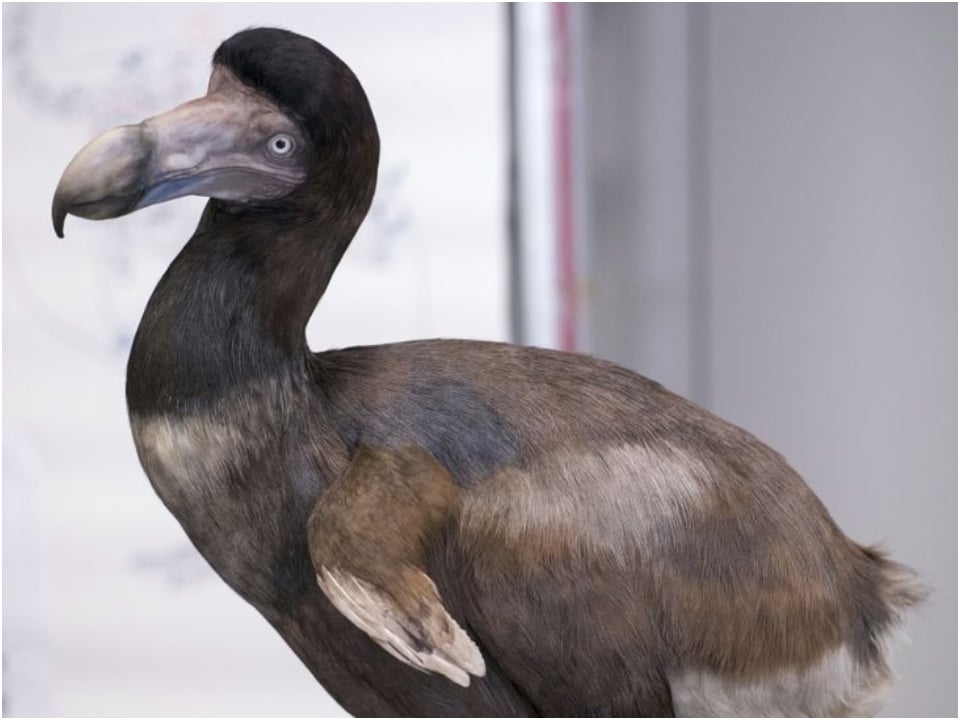
Scientists have toyed with trying to bring it back, as it is a bird with a lot of mystery around it. No universities have announced funding opportunities for research associated with the dodo.
Saber-Toothed Tiger
Over 10,000 years ago, the Saber-Toothed tiger was one of the most fearsome animals to roam the planet. It had giant canines, as you can see, and weighed up to 1,000 pounds. As a super predator, it had the ability to bring down a woolly mammoth.
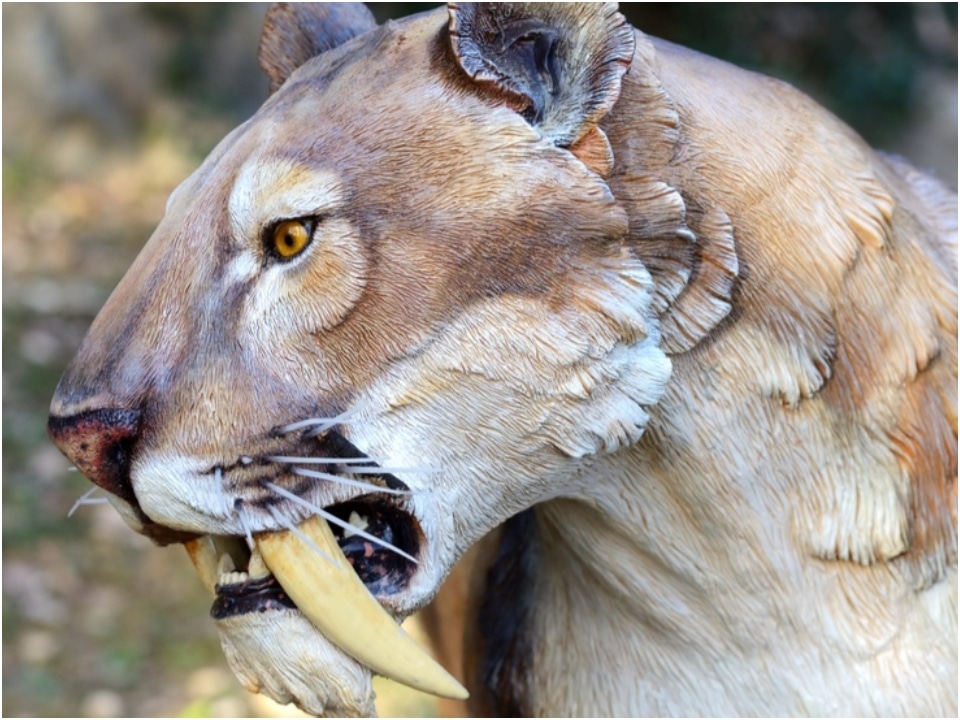
While it would be interesting to study one of these, it could also be very dangerous for the scientists. This might be a Jurassic Park type deal, if one of these was brought back to life.
The Carolina Parakeet
This beautiful little bird was once found in the Carolinas of the United States, and other warmer states in the East. In 1904 the final Carolina parakeet was seen in the wild, and no more have been seen since.
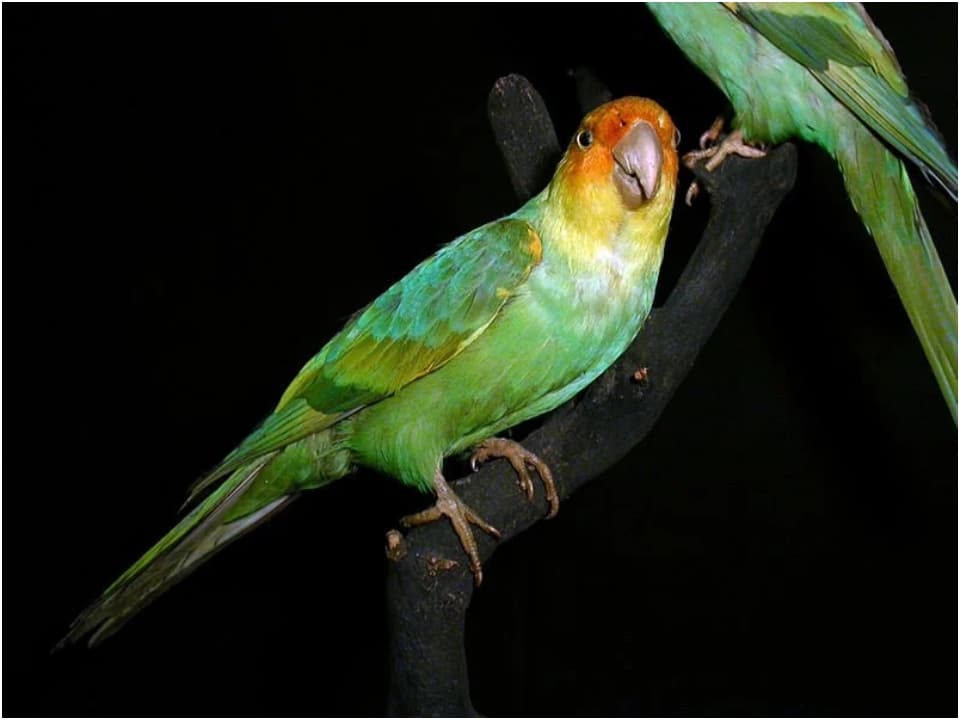
This was a popular pet, as its bright feathers are very attractive. It is hoped that researchers will be able to crossbreed the parakeet, with one of its relatives in Mexico.